All Nine Accused in the Neo-Nazi Armilar Lusitano Case Are Sent to Trial for Terrorism, and Three Stay in Custody
A Lisbon judge upheld the prosecution's case in full. The group is accused of making 3D-printed weapons and listing targets that included politicians, journalists and organisations working with immigrants.
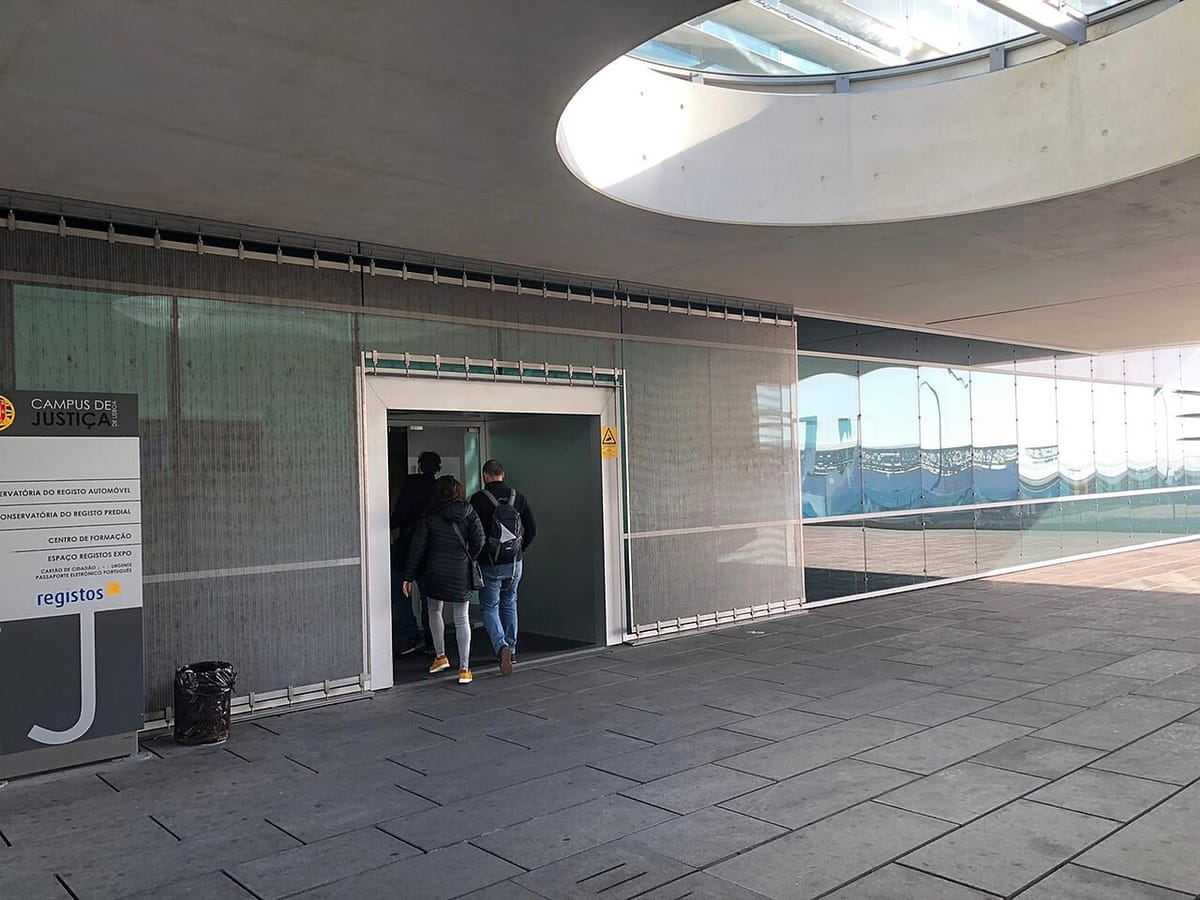
All nine people charged over the Movimento Armilar Lusitano (MAL), a far-right group that prosecutors say gathered 3D-printed weapons and drew up lists of targets, will stand trial for terrorism. Judge Sofia Marinho Pires of the Central Criminal Investigation Court in Lisbon ruled on Thursday that the case goes to trial exactly as the public prosecutor's office framed it.
"By an order issued this Thursday, 1 October, the court issued its pre-trial decision, committing all the defendants for trial on the facts on which the Public Prosecutor's Office (DCIAP) had charged them," the Prosecutor General's Office said in a note quoted by Lusa. Those facts amount to founding, leading and joining a terrorist group; terrorist offences involving the making and possession of weapons, ammunition and explosives; training for terrorist activities; recruitment; incitement; terrorist financing; arms trafficking; possession of a prohibited weapon; illegitimate access to data and abuse of power.
Three of the accused, Bruno Carrilho, Bruno Gonçalves and Nuno Pais, have been in pre-trial detention since June 2025 and will stay there. The other measures imposed on the defendants were also kept.
"Nationalist, extremist and anti-immigration"
According to the decision, which Observador has seen, the judge describes the MAL as a "minimally organised" group, in existence since before 2021, "nationalist and extremist" and "anti-immigration". She cites the founders' stated aim of creating "a hard core from which a militia could form", evidence of training in military orientation, fitness, martial arts and weapons handling, and preparation for a scenario of "extreme social and economic collapse". She also points to evidence that members held that a person's citizenship and rights should be determined by "ethnicity or blood".
The judge rejected the defence's portrayal of the MAL as a group that merely opposed Covid-19 restrictions. The decision says the group pursued a strategy of "instigating violent action to overthrow the democratic regime", and treats the recruitment of members and the acquisition and manufacture of weapons on 3D printers as signs of an intention to use violence. The group had planned an attack on the prime minister, Luís Montenegro, according to the decision.
One defendant through the full hearing
Six defendants had asked for the pre-trial hearing known as instrução, but five requests were rejected as legally inadmissible. Only Ricardo Pereira went through it. The judge found sufficient evidence against him, citing 25 in-person meetings with other defendants between May 2022 and April 2025, the purchase of equipment, possession of prohibited weapons, the gathering of personal data, the identification of potential targets and the use of closed channels on Signal and Telegram. She dismissed the argument that the chats were "jokes". Among the conversations examined are references to possible attacks on Casa do Brasil, the LGBTI rights association ILGA and SOS Racismo, including a message about throwing Molotov cocktails.
Targets and "ghost guns"
The indictment, made public on 18 June, accuses the defendants of cataloguing people and organisations they regarded as a "threat" to the country: politicians, parties, journalists, commentators, academics, artists, activists and groups working on immigration, anti-racism, diversity and minority rights. Prosecutors say the group spent years trying to assemble people, equipment, money and logistics for future attacks, which did not happen because its members felt they lacked the means or that "the moment had not yet come".
Investigators say the group produced 3D-printed weapons and components, including untraceable "ghost guns" without serial numbers, as well as mortar, drone and incendiary grenades. Among the defendants is a PSP police chief who was on secondment to Lisbon's Municipal Police. No trial date has been announced, and the defendants are presumed innocent until a court rules otherwise.