Tiger Mosquito Reaches Braga and Amares, With No Local Disease Transmission: What Residents Should Do About Standing Water
ULS Braga has confirmed the tiger mosquito, which can carry dengue, Zika and chikungunya, in Braga and Amares. No infected mosquitoes or local cases have been found. RTP puts the national count at 40 municipalities. How to cut breeding sites and report a sighting.
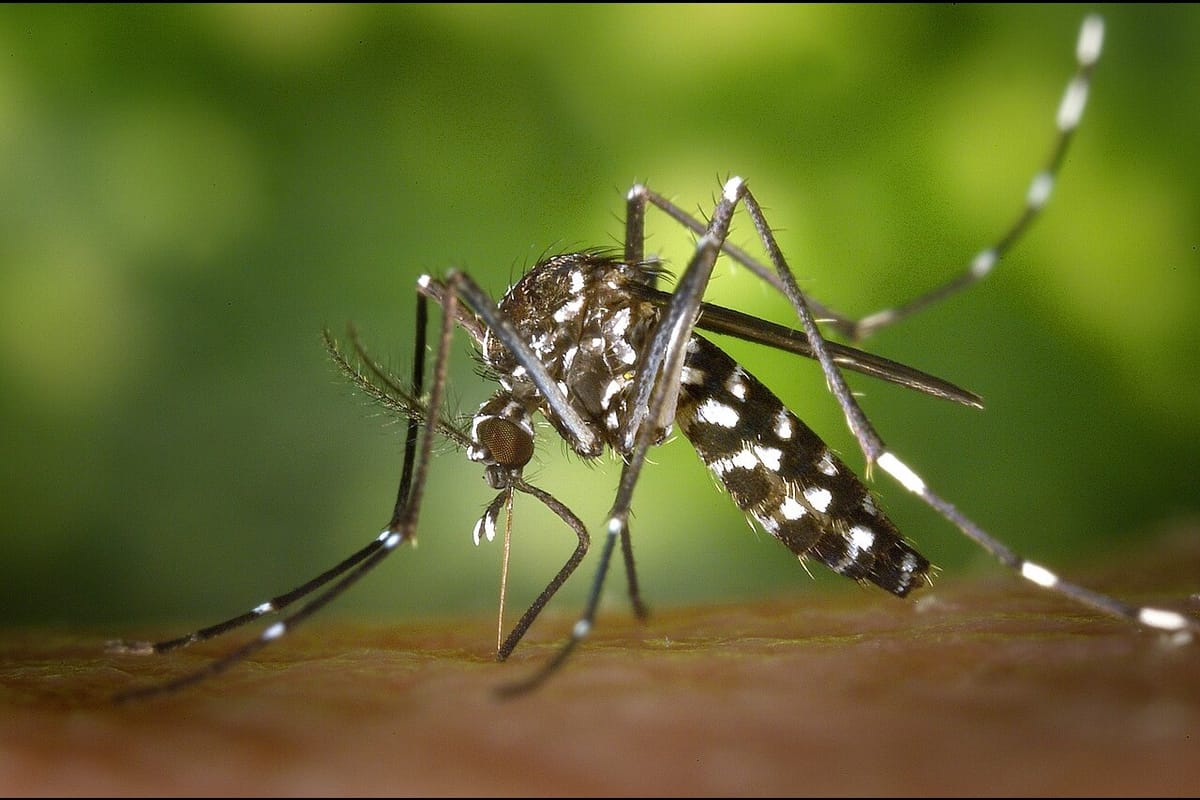
The tiger mosquito (Aedes albopictus), a species that can carry the dengue, Zika and chikungunya viruses, has been found in the municipalities of Braga and Amares, the Unidade Local de Saúde de Braga (ULS Braga, Braga Local Health Unit) announced on Friday 16 October. No infected mosquitoes have been detected and no local transmission has been recorded in the region, it said.
The public broadcaster RTP reported on Friday that the mosquito has now been detected in 40 municipalities across the country, and that Portugal has recorded 18 imported cases since the start of the year. We could not find an official list of the 40 municipalities published by the health authorities.
What was found in Braga and Amares
According to ULS Braga, its Unidade de Saúde Pública (Public Health Unit) collected the specimens under REVIVE (Rede de Vigilância de Vetores, the national vector surveillance network) and stepped up its sampling after residents in both municipalities raised the alarm. The unit is now watching the sites and surrounding areas to establish how far the species has spread. The two councils are checking ponds, water features and public spaces and passing information to parish councils.
"The risk to public health is low, but each of us has an important part to play: getting rid of standing water at home and in the garden reduces the chance of this mosquito multiplying," said Pedro Pereira, who coordinates the unit. ULS Braga asks residents not to spray insecticide on their own initiative; any control measures are decided and coordinated by the health authorities.
How the mosquito has spread
REVIVE is a collaboration between Ministry of Health bodies, including the Direção-Geral da Saúde (DGS, Directorate-General of Health) and the Instituto Nacional de Saúde Doutor Ricardo Jorge (INSA, National Health Institute). Its 2025 annual report, published in April, says the species was first found in September 2017 at a tyre retreading company in Penafiel, then in Loulé in 2018, the Alentejo in 2022, the Lisbon area in 2023 and the Centre region in 2024.
In 2025, REVIVE recorded it in 28 municipalities, as we reported when the report came out:
- Algarve (12): Albufeira, Alcoutim, Castro Marim, Faro, Lagoa, Lagos, Loulé, Olhão, Portimão, São Brás de Alportel, Tavira and Vila Real de Santo António.
- North (7): Valença, Vila Verde, Esposende, Valongo, Penafiel, Gondomar and Arouca.
- Lisbon area (4): Lisboa, Oeiras, Almada and Sesimbra.
- Centre (3): Pombal, Condeixa-a-Nova and Covilhã.
- Alentejo (2): Mértola and Serpa.
Tests for human disease viruses were negative in most samples, the report says; the exception was dengue virus in Aedes aegypti, a different invasive species, in Madeira. Lisbon has been releasing sterile tiger mosquitoes to curb the species, as we reported in September.
What residents should do
The tiger mosquito breeds in small amounts of standing water. ULS Braga and the DGS advice issued for World Mosquito Day recommend:
- Emptying water from plant-pot saucers, buckets, gutters, old tyres and other containers, however small.
- Changing the water in vases and animals' drinking bowls once a week; the DGS suggests fine sand in plant saucers.
- Covering water tanks and keeping swimming pools treated.
- Using insect repellent, long, light-coloured, loose clothing and mosquito nets on windows.
If you see a mosquito you do not recognise, the DGS asks you to report it, with a photo and location if possible, on the free Mosquito Alert app or the MosquitoWeb site. Anyone who develops symptoms such as fever, a rash, or body or joint pain within two weeks of returning from a country where dengue, Zika or chikungunya circulate should contact the SNS and mention the trip, the DGS says.