Two in Three People in Portugal Eat Fruit Daily but Only 41 Percent Eat Vegetables, and More Than Half of Under-25s Drink Sugary Soft Drinks Every Week
INE's National Health Survey, released for World Food Day, shows 68.3 percent of people aged 15 and over eat fruit daily, 41.2 percent vegetables and 4.4 percent fish, while 32.1 percent have processed meat one to three times a week.
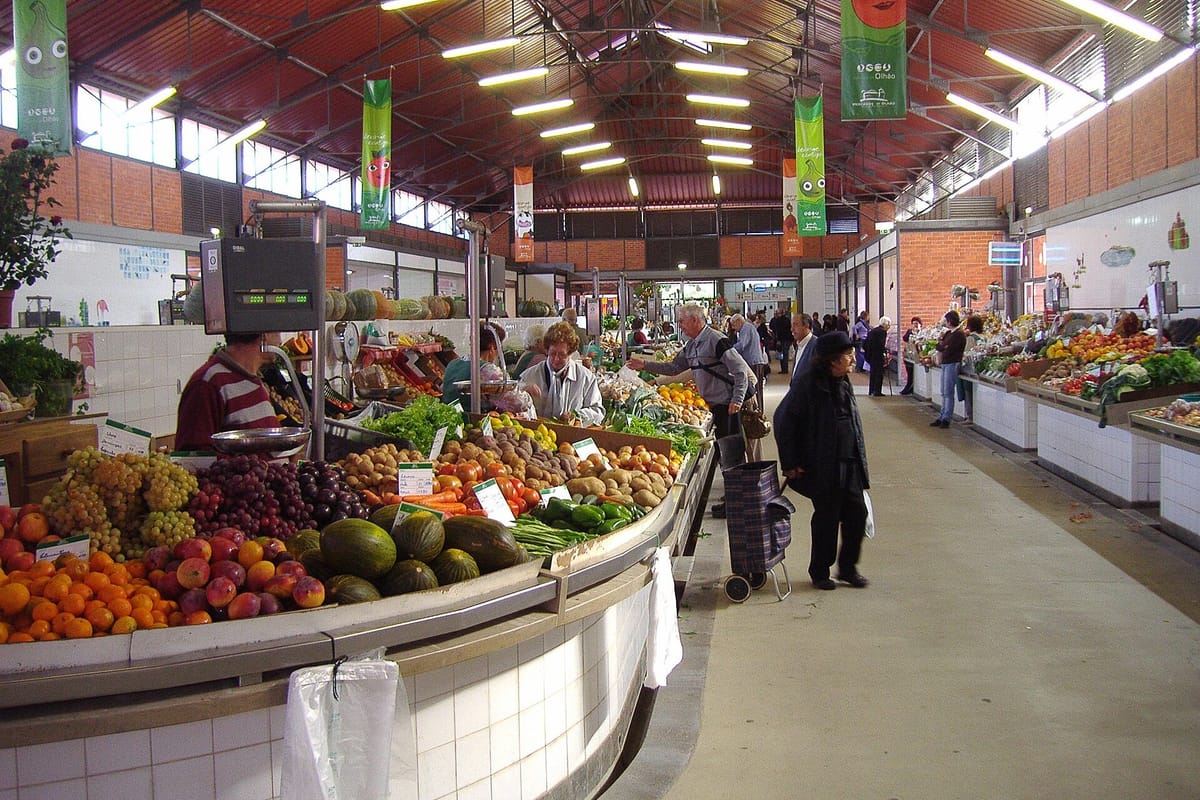
Two in three people aged 15 and over in Portugal eat fruit every day, but only four in ten eat vegetables or salad daily, and almost a third have processed meat one to three times a week. The figures come from the Instituto Nacional de Estatística (INE, Statistics Portugal), which published a detailed look at diet, exercise and weight on 16 October, World Food Day.
The data are from the Inquérito Nacional de Saúde (INS, National Health Survey), carried out in the fourth quarter of 2025 on a sample of 22,000 dwellings across the country. It is Portugal's part of the European Health Interview Survey, and its headline results were first released in June. Today's INE release goes deeper into what INE calls the determinants of health.
What is on the plate
Fruit is the most common daily food: 68.3 percent eat it at least once a day, and 57.5 percent have milk or dairy products daily. After that the daily shares drop quickly:
- vegetables or salad: 41.2 percent daily;
- vegetable soup: 30.0 percent daily;
- fresh or frozen red meat: 11.2 percent daily; poultry: 9.4 percent;
- fresh, frozen or dried fish or seafood: 4.4 percent daily, although 56.9 percent eat it one to three times a week.
Processed meat and processed fish or seafood were each eaten one to three times a week by 32.1 percent of people, the figure INE put in its headline. Some 14.4 percent said they never eat processed meat and 18.7 percent never eat processed fish. By our calculation, 46.1 percent eat processed meat at least once a week.
Sugary drinks and the young
Sugary soft drinks were drunk daily by 8.0 percent of people, four to six times a week by 6.0 percent and one to three times a week by 18.2 percent: in all, 32.2 percent drink them at least weekly. Age makes the biggest difference. Among 15 to 24 year olds, 56.2 percent drink a sugary soft drink at least once a week; from age 75, fewer than 20 percent do.
Portugal has taxed sweetened drinks since 2017, and the Direção-Geral da Saúde (DGS, Directorate-General of Health) reported last month that the sugar tax has pushed drinks into lower sugar bands while sales volumes have risen.
Weight and exercise
The same survey finds that 57.1 percent of adults aged 18 and over are overweight or obese, meaning a body mass index of 25 or more. Obesity (30 or more) affects 17.4 percent, more often women (19.5 percent) than men (15.2 percent), and peaks at 23.5 percent among 55 to 64 year olds. Men are more likely to be overweight without being obese (45.8 percent against 34.1 percent of women).
More than half of people aged 15 and over (53.4 percent) do no physical exercise at all, a share that rises from 32.5 percent at ages 15 to 24 to 79.5 percent at 85 and over, and falls with education: 63.8 percent of those with only basic schooling do none, against 34.6 percent of graduates.
A new tool for the national food supply
INE also launched an interactive app for the Balança Alimentar Portuguesa (BAP, Portuguese Food Balance), which measures the food available for human consumption rather than what people say they eat. It brings together 22 indicators in nine themes, from daily calories, protein, fat and carbohydrates to alcohol, vitamins and minerals, with series running from 2015 to 2024. INE says the per person figures for 2021 to 2024 have been revised to reflect its updated population estimates of June 2026; the underlying food totals are unchanged.