The State Hands the São João da Madeira Hospital Back to Its Misericórdia for a Decade, With Vila do Conde, Pombal and Seia Next
Portugal has signed over the management of the São João da Madeira hospital to the local Santa Casa da Misericórdia for at least ten years from 1 November — the first public hospital returned to the social sector under this government, with Vila do Conde, Pombal and Seia next in line.
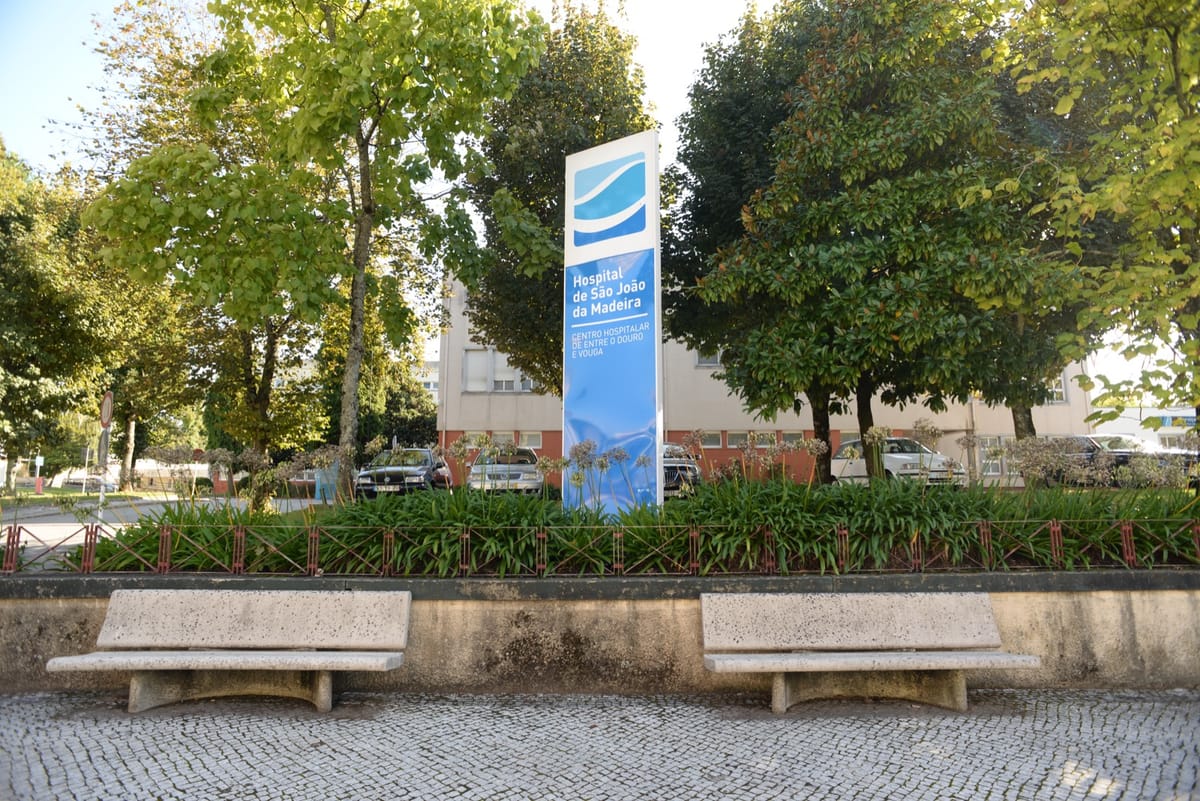
Portugal has begun handing small public hospitals back to the charities that once ran them. At a signing this week, the State agreed to transfer the management of the hospital in São João da Madeira to the local Santa Casa da Misericórdia — the Holy House of Mercy, one of the centuries-old Catholic charitable institutions that still anchor social care in many Portuguese towns. It is the first hospital returned to the social sector under this government, and three more are lined up to follow before the year is out.
What was signed
The protocol gives the Misericórdia the running of the São João da Madeira unit for a minimum of ten years, taking effect on 1 November. The State will pay the charity just under €14 million in the first year — a figure that includes about €700,000 in performance incentives — to deliver a defined package of care. In return the Misericórdia has committed to roughly 50,000 outpatient consultations a year across 15 specialties (nine more than the unit offers today), more than 590 surgical admissions, some 4,000 day-case (ambulatory) operations and up to 37,000 emergency episodes. The wider public network it is leaving, the Unidade Local de Saúde (Local Health Unit) Entre Douro e Vouga, carried out more than 16,000 day-case operations last year, most of them at São João da Madeira.
Three more to come
The government says the hospitals of Vila do Conde, Pombal and Seia are next in line to return to their respective Santas Casas, with the handover of Santo Tirso — which hit a legal snag earlier in the year — described as almost complete. Manuel Lemos, president of the União das Misericórdias Portuguesas (Union of Portuguese Misericórdias), has said the movement will not stop there.
The story is, in part, a reversal of history. Many of these small hospitals were built and run for generations by the Misericórdias before being absorbed into the Serviço Nacional de Saúde (National Health Service, the SNS) in the mid-1970s. Prime Minister Luís Montenegro, who promised the change in 2024, was at pains to frame it as pragmatic rather than ideological. There is, he said, “no obsession” with returning more SNS hospitals to the social sector: “If it is not more efficient for the public service, we will not do it.”
Not private, but not the SNS either
For patients, the distinction that matters is that the Misericórdias are non-profit social-sector bodies, not private operators: care in these hospitals stays free or SNS-priced at the point of use, funded by the State under the ten-year contract. The bet is that a leaner, locally rooted charity can run a small hospital with shorter queues than a sprawling Local Health Unit — the same units a University of Glasgow study found had missed their targets while spending climbed. The Misericórdias’ expanding role in health and elderly care was the central theme when President António José Seguro addressed their national congress in June.
The pushback
Doctors’ unions have been sharply critical, complaining of a lack of transparency and pointing out that the cost-benefit analysis underpinning the transfers has still not been published. Their fear is that handing hospitals to outside operators, even non-profit ones, fragments the public network, muddies accountability and changes the terms under which staff work. Supporters counter that the Misericórdias have run health and social services competently for centuries and that a contract with hard service targets is more transparent, not less.
Either way, the practical takeaway for residents is worth noting: over the coming months, the body that runs your nearest hospital may change even though your rights as an SNS user do not. If you are new to the system, our guide to registering with the SNS and getting a número de utente explains how public care is accessed, and our look at how private hospital revenue hit a record €2.79 billion shows the other direction Portuguese healthcare is being pulled in at the same time.