The Feira da Golega Enters Public Consultation for Portugal's Intangible Heritage Inventory, With UNESCO the Stated Goal
Patrimonio Cultural, IP has opened a 30-day consultation on the draft decision to inscribe the fair in the national inventory. Deputy mayor Diogo Rosa calls it one more step, and says the main objective is for the process to move on to UNESCO. That would be the council's second UNESCO recognition.
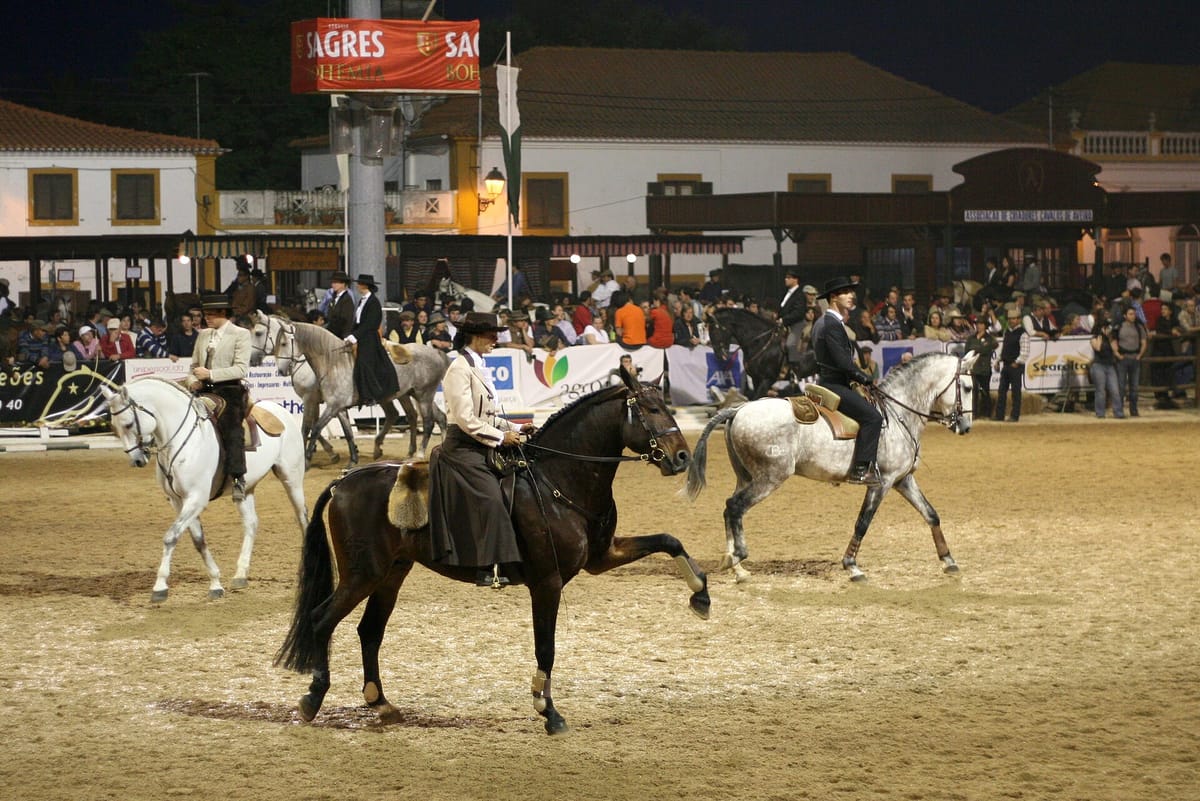
The Feira da Golegã, the horse fair that fills a small Ribatejo town every November, has entered public consultation for inscription in Portugal's national inventory of intangible cultural heritage. Património Cultural, IP announced the start of the 30-day consultation on the draft decision this week. The council is already talking about what comes after it.
"It means the process is moving, and it is extremely important, in that it is one more step towards seeing our heritage and our cultures recognised and preserved," Diogo Rosa, the deputy mayor of Golegã, told Lusa. He called the opening of the process an important stage in the valuing of the fair, which is known nationally for the Feira Nacional do Cavalo.
The case for inscription
Rosa's argument rests on age and on singularity. He described the fair as a secular event with characteristics of its own, unique not only in Portugal but internationally, and said he was certain the application meets the necessary requirements.
What gives it a distinct identity, in his account, is the coexistence of people and horses, the traditions bound up with the equestrian world, and the presence of artisans and producers from across the country. "It is a unique event, a fair of the most Portuguese kind there can be, and it has every condition and all the potential to be considered intangible heritage."
The dossier was built mainly on historical documentation gathered and organised by the Associação Feira Nacional do Cavalo, with a consultancy team supporting the work. "It was necessary to assemble a great deal of historical documentation, the history of the fair, images and other elements that help support the whole process," Rosa said. Former and current directors of the fair contributed documents and testimony.
What inscription would do
The stated objective is a more formal protection of the fair, plus wider promotion. Rosa was open about the commercial logic sitting alongside the cultural one. "The tourism objective is always very important. The idea here is to protect the fair in a more official way, which will certainly attract more tourists."
Inscription in the Inventário Nacional do Património Cultural Imaterial raises the profile of both the fair and the municipality, he argued, which in turn should bring more visitors.
The longer ambition
National recognition is not the end point. Rosa said the main objective would be for the process to move on to UNESCO and for the fair to be recognised as heritage of humanity, a scenario he said would have far greater international reach for Golegã.
If that came off, the Feira da Golegã would become the council's second UNESCO recognition, alongside the Paul do Boquilobo Biosphere Reserve.
The national inventory is a busier place than it looks. In May the Mercado do Bolhão's knife sharpener became the first amolador inscribed under the SIPCI framework, and Portugal's existing UNESCO intangible listings include events such as Campo Maior's paper flower festival, which returned this month after eleven years. Update: on 12 October 2026 the Feira da Golegã was inscribed in Portugal's national intangible heritage inventory ahead of its 6 to 15 November fair.
What This Means for Expats
- The consultation runs 30 days. Draft decisions on inscription in the national inventory are published for comment by Património Cultural, IP, and submissions are open to the public.
- The fair itself is in November. The Feira Nacional do Cavalo is the reason to plan a visit; Golegã's population multiplies for it, and accommodation across the Ribatejo books out well ahead.
- National inscription is not a UNESCO listing. The inventory is a Portuguese instrument. A UNESCO nomination is a separate, longer process that begins only after national recognition.
- Recognition tends to change a festival. The council's own stated aim is more tourists. If you know the fair as it is, expect it to be busier if this succeeds.