Mercado do Bolhão's Knife Sharpener Joins Portugal's National Inventory of Intangible Cultural Heritage — André Fernandes, 37, Becomes the First Amolador Inscribed Under the SIPCI Framework
André Fernandes, the third-generation knife sharpener at Porto's Mercado do Bolhão, has had his candidacy accepted into the National Inventory of Intangible Cultural Heritage — the first amolador inscribed under the SIPCI framework, with a museum on the long-range plan.
The Direção-Geral do Património Cultural has accepted the candidacy of André Fernandes, the resident amolador of Porto's Mercado do Bolhão, into the Inventário Nacional do Património Cultural Imaterial — the formal Portuguese register that sits beneath the UNESCO 2003 Convention on the Safeguarding of the Intangible Cultural Heritage and the SIPCI/MatrizPCI framework that has hosted Portuguese inscriptions since 2008. The file makes Fernandes the first knife-sharpening practitioner ever inscribed under the SIPCI rubric in Portugal, and lands the amolador profession itself onto the national protected-knowledge map for the first time.
The Practitioner
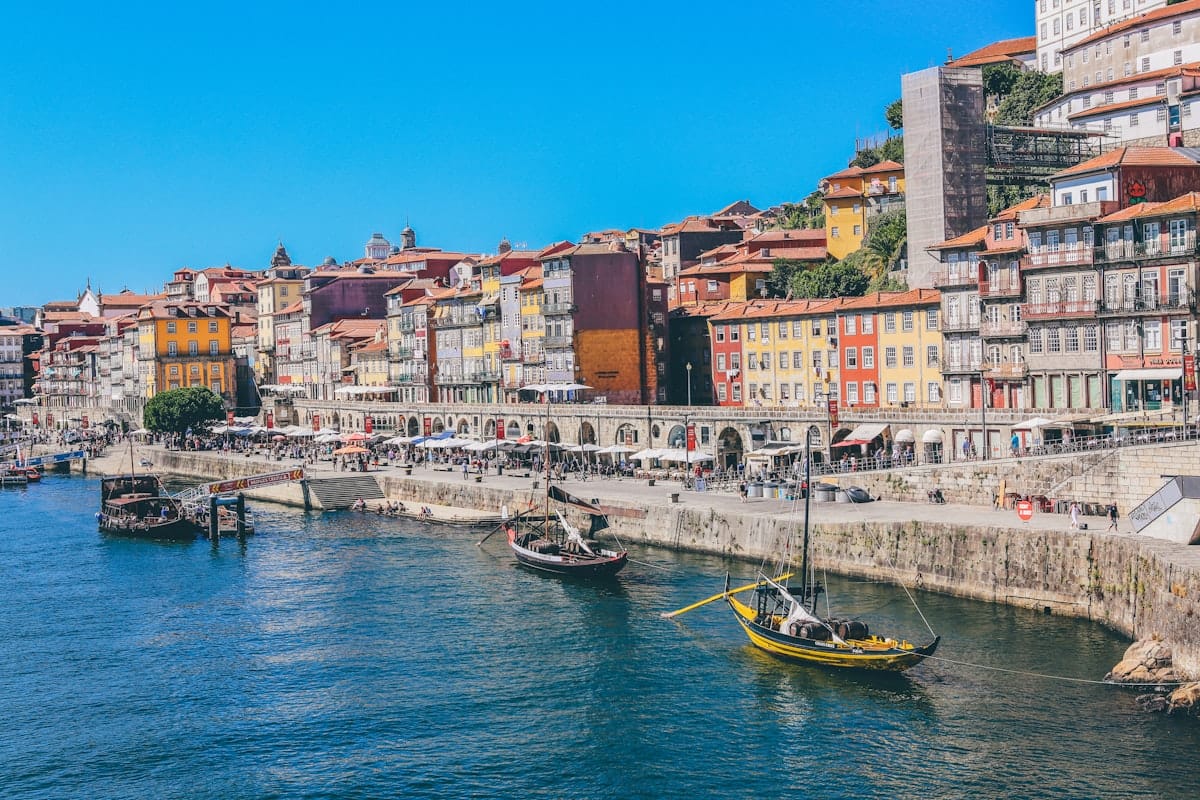
André Fernandes, 37, runs the knife-sharpening stall at the Rua do Paraíso entrance of the renovated Mercado do Bolhão, the public market that reopened in 2022 after a four-year reconstruction by Câmara do Porto. He is the third generation of the family in the trade: his grandfather started the practice, his father carried it through the 1970s and 1980s in Porto's outer parishes, and Fernandes himself moved into the trade full-time in 2007 after leaving a bakery job. He registered the trademark "André, o amolador" in 2020 and has since built a parallel handcrafted-cutlery line at the same stall, alongside an umbrella-repair side-trade that the Bolhão renovation made room for.
His two children, Miriam (11) and Frederico (5), are described in the candidacy file as the prospective fourth generation — a structural detail the Direção-Geral do Património Cultural's reading of the SIPCI framework treats as positive evidence of continuidade.
The Candidacy
The application file was authored and led by Susana Monteiro, Fernandes' wife, who started building the dossier in 2024 on the prompt of the Mercado do Bolhão's own cultural-programming team. The file carries audio recordings of the traditional flauta de Pã melody the itinerant amoladores used to announce their arrival in residential streets through the late twentieth century, demonstration video of the wet-stone wheel and the bicycle-mounted apparatus, and a written statement of the trade's specific Northern Portugal lineage. Monteiro told Executive Digest that the longer-range objective is the construction of a dedicated Museu do Amolador in the Porto metropolitan area, drawing on private patronage and on the new 1.0%-of-turnover IRC envelope that Parliament's Friday cultural-patronage reform has just opened up.
What the SIPCI Inscription Actually Does
An entry on the Inventário Nacional do Património Cultural Imaterial does not bring direct State subsidy to the practitioner — the framework is a register, not a grant scheme. What it provides is:
- Legal recognition under Decreto-Lei 139/2009 that the practice is part of Portugal's intangible cultural heritage, opening eligibility for funding lines from the Direção-Geral das Artes, the Fundação Calouste Gulbenkian's heritage envelope, and EU-level Creative Europe instruments.
- A documented dossier of practice that becomes the public reference for transmission, training and museum exhibition — relevant if the planned Porto museum reaches construction phase.
- Eligibility for elevation to the UNESCO Representative List of the Intangible Cultural Heritage of Humanity in a future cycle, where Portugal currently has thirteen elements inscribed (the most recent being the cante alentejano elevation cycle and the fabrico do queijo Serra da Estrela file).
Why It Matters Now
The Bolhão's renovation in 2022 was contentious for exactly the dynamic at stake here — whether the post-renovation market would retain its character-craft tenants or migrate to a higher-margin food-retail tenant base. Fernandes' inscription is a material counter-print: an inherited Porto craft, anchored to a specific stall, anchored to a Porto-municipal building, with a documented transmission line into the next generation. For Portugal's wider intangible-heritage map, the file opens the door to the inscription of other endangered itinerant-trade practices the Portuguese national framework has been slow to formalise — the afiadores of central Portugal, the caldeireiros of Trás-os-Montes, the cesteiros of Beira Baixa. On the PDL26 Capital Portuguesa da Cultura, Ponta Delgada cultural-budget and Açores cultural-finance side of the file, our 12 June read on Ponta Delgada Capital Portuguesa da Cultura losing half its €5.3 million envelope after Turismo de Portugal walked, the Açores 2030 EU funds and private sponsorships receded, and Chega plus Movimento Ponta Delgada Para Todos blocked the €2 million Câmara Municipal top-up sets the latest reference. On the heritage, culture and things-to-do side of the file, Almada's archaeological digs opening to the public in July sets the latest reference. On the heritage, museums and natural-science side of the file, the near-complete armoured dinosaur found at Torres Vedras sets the latest reference. On the culture-policy and arts-funding side of the file, the overhaul of Portugal's arts-funding model sets the latest reference. On the Porto city side of the file, the Matadouro cultural centre's slip to a phased opening across 2027 sets out what the 40 million euro M-ODU will hold, and how a summer 2026 opening became a fit-out year. On the Porto municipal side of the file, the court freeze on the Mercado do Bolhão stall auction sets out the popular action a traders' association filed on 30 July, what admitting a providência cautelar actually suspends, and the July auction in which a fish stall with a €343.80 base went for €7,550 a month.