Almada Opens Its Archaeological Digs to the Public in July, With Free Sessions at the Castle and the Old Town
Almada's City Council is opening three archaeological excavations in the historic core to the public through July, with free guided sessions at Rua Rodrigues Freitas on 24 July and the Castelo de Almada on 25 July. The dig runs 6-31 July under the Almada Velha heritage project.
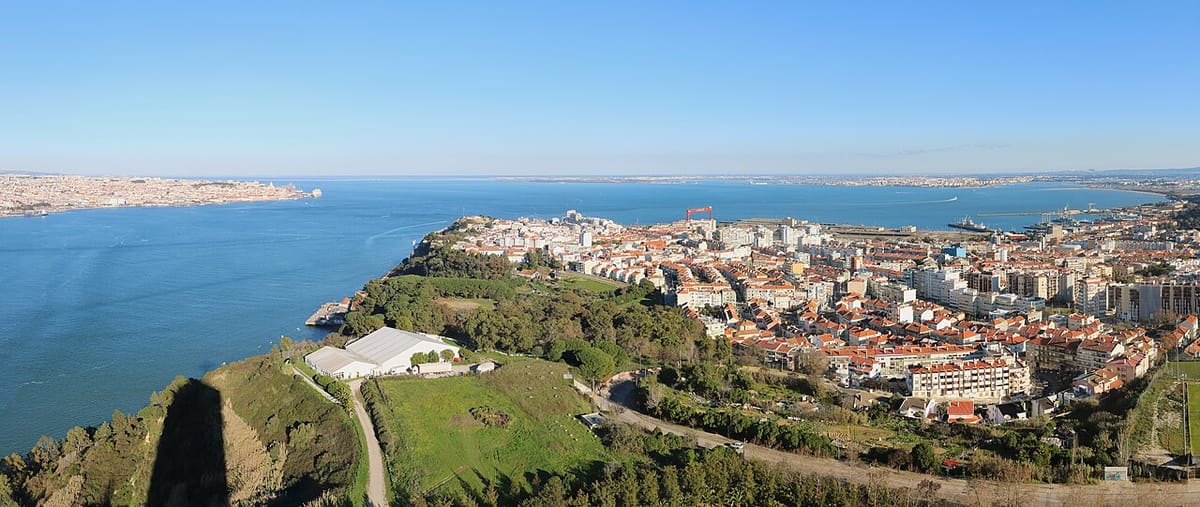
The archaeological excavations reshaping the historic core of Almada — the city on the south bank of the Tagus, directly across the water from Lisbon — will open their trenches to the public throughout July, with free open days and guided sessions announced by the Câmara Municipal de Almada (Almada City Council). For anyone curious about what lies beneath one of greater Lisbon's oldest settlements, it is a rare chance to stand at the edge of a live dig.
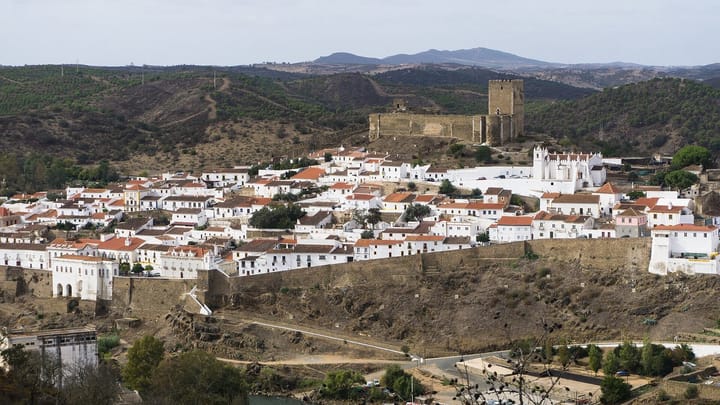
Three separate interventions will run between 6 and 31 July at Largo 1.º de Maio, Rua Rodrigues Freitas and the Castelo de Almada (Almada Castle), the promontory that has guarded the river mouth for centuries. The work is part of a longer programme, Almada Velha: Valorização Patrimonial do Núcleo Histórico Urbano (Old Almada: Heritage Enhancement of the Historic Urban Core), which has been running since 2021 and is scheduled to continue through 2027.
When you can visit
- Rua Rodrigues Freitas: open day on 24 July, 10:00–13:00 and 14:00–17:00, with presentation sessions led by the archaeologists at 11:00 and 15:00.
- Castelo de Almada: open day on 25 July, same hours — 10:00–13:00 and 14:00–17:00 — with sessions at 11:00 and 15:00.
- Cost: free, with the City Council billing the open days as moments for the community to see the excavation up close and hear what is emerging from the ground.
What the dig is looking for
The excavations are designed to deepen what is known about how the territory was first settled and how that occupation evolved — the shifts in town planning, in social and economic life, and in the everyday habits that shaped the city as it stands today. Almada's perch above the Tagus made it strategically valuable long before the modern bridges and ferries tied it to Lisbon, and the historic core has layers that reward careful digging.
The fieldwork is a partnership. Researchers from the Almada City Council are working alongside teaching staff and students from the Faculdade de Ciências Sociais e Humanas (School of Social and Human Sciences) at the Universidade NOVA de Lisboa (NOVA University Lisbon) and from the Universidade de Coimbra (University of Coimbra), giving the project both municipal and academic backing.
Why Almada Velha rewards the spade
Almada is often shorthand for the suburban south bank — the Margem Sul that millions cross on the 25 de Abril bridge — but its old town is one of the oldest continuously settled spots around the Lisbon estuary. The high ground above Cacilhas commanded the river approach to Lisbon for centuries, which is why a fortress took root there, and the dense historic core has accumulated layers from successive periods of building, trade and daily life. Each season of digging at sites such as the castle and the surrounding streets adds detail to a picture that documentary records alone cannot supply.
That is the explicit aim of the multi-year Almada Velha programme: not a single headline find but a steady reconstruction of how the settlement grew, contracted and reorganised over time. Running the project to 2027 lets the team return to the same ground across seasons, and the decision to throw the trenches open mid-dig reflects a wider shift in Portuguese municipal archaeology toward treating residents as an audience for the work rather than spectators kept behind a fence.
What This Means for Expats
- A genuinely local day out: Open-trench days are uncommon, and this one sits a short hop from Lisbon. It is the kind of free, screen-free July activity that works for families and history-minded newcomers alike.
- Getting there: Almada is easiest to reach by the Cacilhas ferry from Cais do Sodré — a scenic crossing in its own right — or via the Fertagus train and the metro on the south bank. Our guide to public-transport passes covers the Navegante card that ties those services together, and Lisbon is also working to expand its river-ferry network.
- Make a day of it: Pair the dig with the Cristo Rei viewpoint above the river or with Almada's Atlantic shoreline at the Costa da Caparica; our beach guide has the practical detail.
- The wider picture: Heritage access is having a moment under strain — Portugal's national museums and monuments lost nearly 222,000 visitors in 2025 with many sites shut for works, which makes a free, open-air dig all the more worth catching.
With the trenches open only on set dates, the two public sessions on 24 and 25 July are the windows to plan around. After that the diggers move on, and Almada Velha's latest finds head back into the long work of study and conservation. On the Tagus-crossing, southern-bank and Lisbon-mobility side of the file, the 25 de Abril Bridge's sixtieth anniversary sets the latest reference.