Costa da Caparica Fishermen Run Out of Sand as Concessions, Surf Schools and a 1 Million m³ Replenishment Programme Squeeze the Xávega Heritage Pipeline
The xávega fishing crews who work the Costa da Caparica beachfront south of Lisbon say they have effectively been priced — and rezoned — off their own beach. Reporting from Notícias ao Minuto on Sunday, 14 June, captures the latest round of...
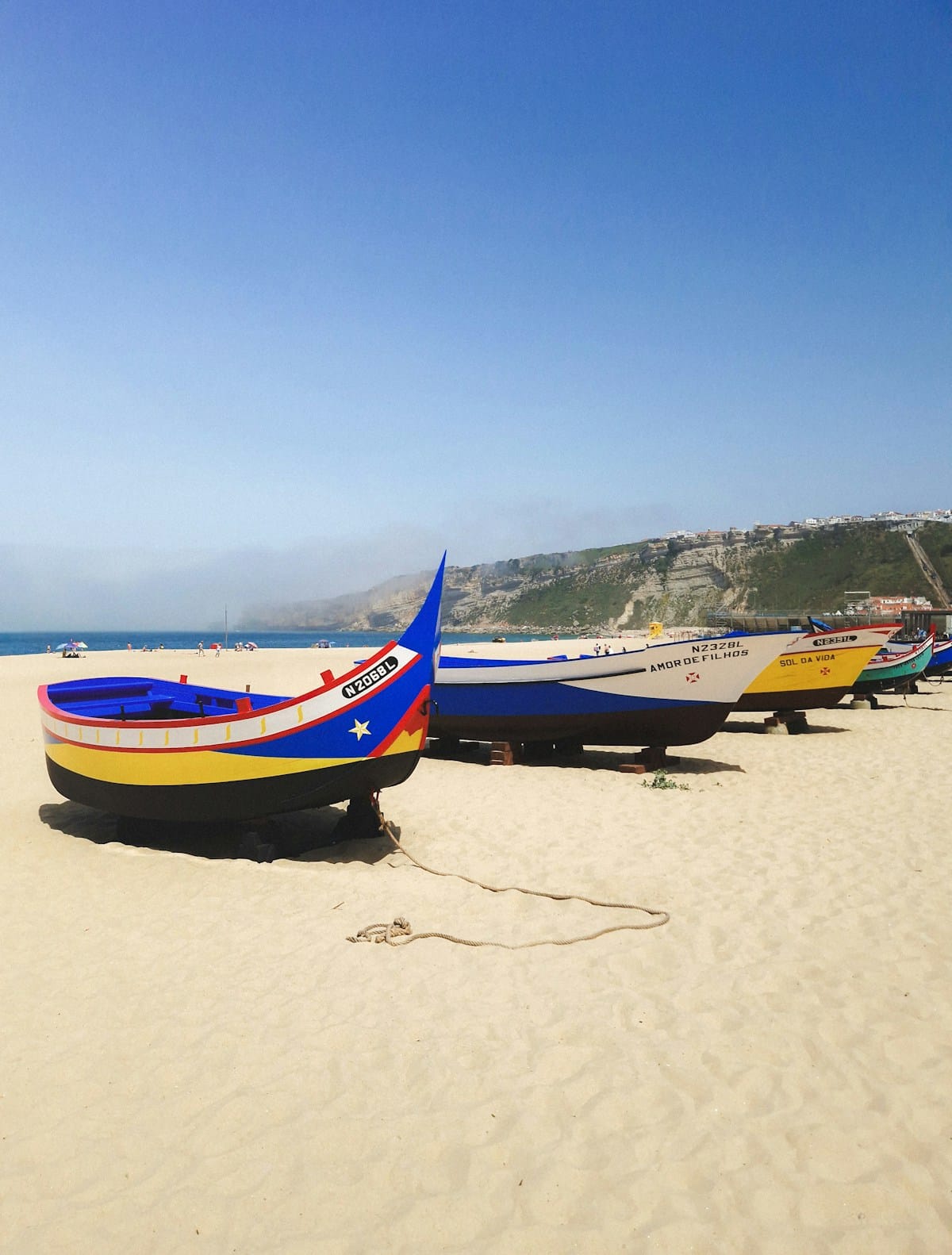
The xávega fishing crews who work the Costa da Caparica beachfront south of Lisbon say they have effectively been priced — and rezoned — off their own beach. Reporting from Notícias ao Minuto on Sunday, 14 June, captures the latest round of complaints from companhas (fishing collectives) operating between Caparica and Fonte da Telha, where this season's 1 million cubic metre sand replenishment programme is forcing crews to navigate active dredging perimeters, concession boundaries, surf-school zones, esplanade extensions and bathing-safety corridors that all compete for what shoreline remains.
António Martins — known on the beach as Calita and skipper of the twin vessels O Rei dos Mares and A Rainha dos Mares — has been fishing the stretch since he was 13. He told the outlet that the cumulative effect of two decades of concession buildout has shrunk the operating window for traditional xávega beach-seine fishing to a handful of regulated slots; outside those, crews face fines from the maritime police and the Câmara Municipal de Almada (Almada Town Council) for casting nets within bather-safety lines.
Lídio Galinho, who leads one of the surviving companhas, framed the issue in heritage terms. Xávega — the artisanal practice of dragging long beach-seines onto the sand using tractors and human teams — was classified as património cultural imaterial (intangible cultural heritage) at the Caparica level in the last decade, a designation that confers symbolic protection but no operational exclusivity over the foreshore. Galinho's argument, repeated by Calita, is that the heritage label has become decorative while the working space has been steadily reallocated to commercial leisure use.
The 2026 sand replenishment campaign — one of the largest single-year volumes the Agência Portuguesa do Ambiente (Portuguese Environment Agency, APA) has booked for the Caparica-Fonte da Telha corridor — is the immediate accelerant. Público reported in May that the coastal defence works on the stretch absorbed wave impacts of up to 15 metres during the January 2026 Storm Kristin window, leaving APA with no choice but to front-load the replenishment ahead of the bathing season. The trade-off is that dredges, pipes and exclusion zones now occupy stretches of the beach historically used for xávega launches.
The structural pressures predate this year's storm cycle. Concession contracts for beach bars, restaurants and surf operators — awarded under the Câmara de Almada's bathing-area licensing framework — have multiplied since the early 2020s, and Costa da Caparica's standing as the closest Atlantic beachfront to Lisbon has driven a sustained rise in day-tripper density. Crews report that the combined footprint of the safety corridors required around bathers and surf classes leaves negligible legal water-access space for nets during the peak summer months when xávega yields are highest.
Almada's tourism revenue case for the concession model is strong: APA's storm-damage envelope, the Câmara's licence-fee receipts and the surf economy together underwrite the coastal-defence works that keep Caparica from receding. The xávega case is weaker on revenue and stronger on culture. Without a regulatory carve-out — an operational corridor codified in the next licensing cycle — the practice is on a trajectory toward de-facto closure within a generation, regardless of its formal heritage status.