Porto Reaches the Final Five for the 2028 European Green Capital, Singled Out for Its Water and Climate Record
The European Commission has shortlisted Porto among five finalists for European Green Capital 2028, praising its water management and climate-change adaptation. It joins Aalborg, Bielsko-Biala, Kosice and Zaragoza, a year after Guimaraes took the 2026 title.
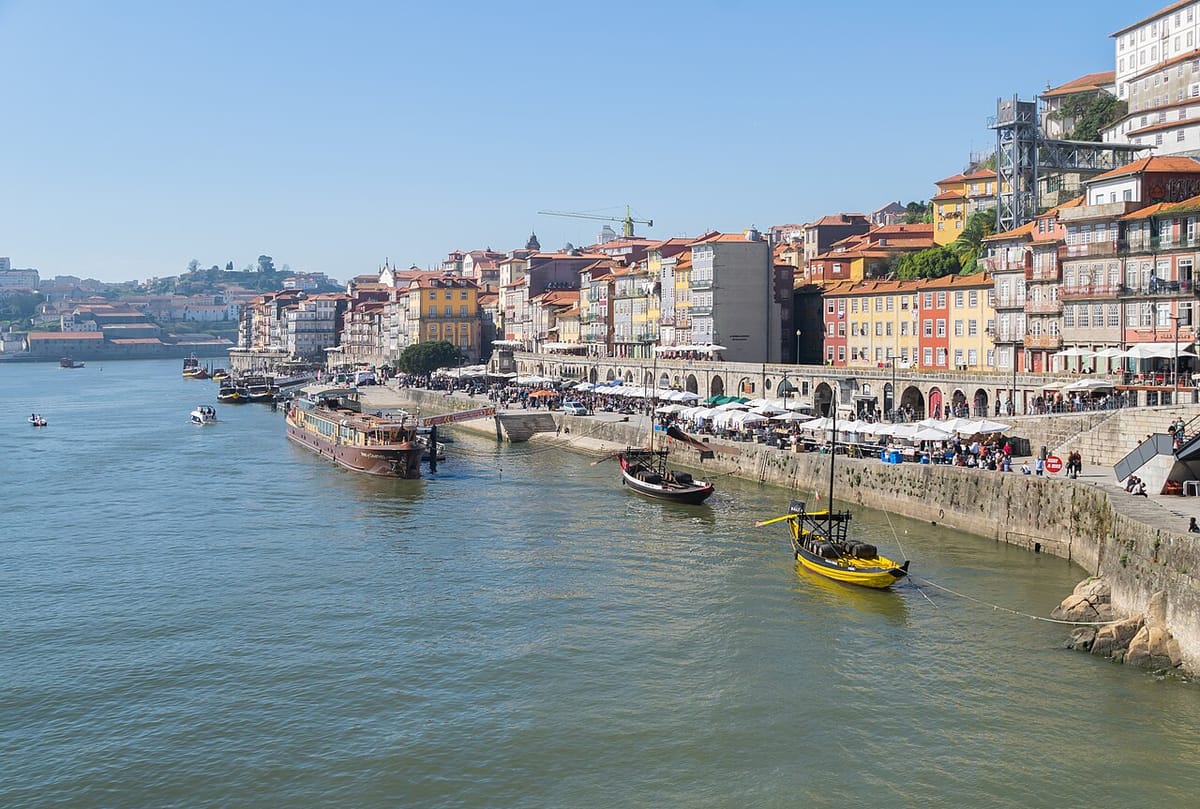
Porto has been named one of five finalists in the running for the title of European Green Capital 2028, the European Commission announced, putting Portugal's second city onto a shortlist drawn from 17 eligible applications. The Câmara Municipal do Porto (Porto City Council) confirmed the city had advanced, singled out by the Commission's evaluation panel above all for its management of water and its adaptation to climate change.
The Invicta — Porto's traditional nickname — joins Aalborg (Denmark), Bielsko-Biała (Poland), Košice (Slovakia) and Zaragoza (Spain) on the final list. The European Green Capital award is handed out each year by the European Commission to a city with more than 100,000 inhabitants that demonstrates a consistent record on urban sustainability, and the winner becomes a year-long showcase for green policy across the continent.
What the Commission flagged
In the assessment released alongside the shortlist, the panel judged that "Porto scores highly across all areas of urban sustainability, especially in water management and adaptation to climate change." Over the past decade the city has reinforced the resilience and sustainability of water in the urban environment through the modernisation of infrastructure, the restoration of ecosystems and active community engagement — the three threads the evaluators highlighted.
- Five finalists selected from 17 eligible candidacies.
- Standout domains: water management and climate-change adaptation.
- The competition: Aalborg, Bielsko-Biała, Košice and Zaragoza.
- The prize: a year as European Green Capital, with the winner due to be announced later in 2026.
Portugal's growing green-city record
The nomination lands while another Portuguese city already holds the crown: Guimarães is the European Green Capital for 2026, the first Portuguese city to carry the title and a programme that runs through the whole calendar year. A Porto win for 2028 would make Portugal a two-time holder inside three years — an unusually strong run for a small country, and a marker of how municipal climate policy has moved from the margins to the centre of how Portuguese cities sell themselves.
Water is the thread that ties the bid to the national moment. Portugal has spent recent summers swinging between drought emergencies in the Algarve and Alentejo and, more recently, reservoir levels near record highs after a wet winter. A city that can show it has hardened its water network, cleaned up its rivers and prepared its streets for heatwaves and flash floods is making a pitch that resonates well beyond an awards jury. The recognition also dovetails with the government's wider climate posture: ministers recently set out a 2030 climate-adaptation strategy targeting heatwaves, droughts, fires and floods, and are betting that below-EU electricity prices will pull green industry into the country under a new 2040 plan.
What the title actually delivers
European Green Capital status is more than a ribbon. The winning city becomes a year-long reference point for sustainable urban policy, hosting conferences, drawing study visits from other municipalities and gaining a marketing platform that reliably lifts green tourism and investor attention. It also tends to lock in political commitment: once a city has publicly staked its reputation on water, biodiversity, air quality, mobility and waste, follow-through on those projects becomes far harder to quietly drop. For a runner-up, simply reaching the final five is a benchmarking exercise that exposes where a city leads and where it lags against the best in Europe.
The judging runs across a fixed set of urban-sustainability indicators — air, water, biodiversity, climate adaptation, mobility, waste and governance among them — and the field is deliberately pan-European: this year's quintet stretches from Denmark to Slovakia. Brussels will weigh the finalists' detailed plans and presentations before naming the 2028 holder later in 2026, leaving Porto a window to sharpen the water-and-climate story the panel has already rewarded.
What This Means for Expats
- Quality of life in Porto: A green-capital push usually translates into visible upgrades — more cycle lanes, restored green corridors, cleaner riverfront and tighter air-quality rules. If you live in or are weighing a move to the north, expect the city to accelerate exactly the projects that make day-to-day life nicer.
- Property and neighbourhoods: Climate-adaptation spending tends to concentrate on flood-prone and heat-exposed districts. Buyers and renters scanning Porto, Vila Nova de Gaia and the wider metropolitan area may find that "green" infrastructure becomes a real factor in where value holds up.
- Utilities and water: The bid rests on Porto's water network. If you are setting up a home, our guide to arranging a domestic water contract explains the municipal operators behind the tap.
- Greener household habits: Green-capital cities lean hard on residents to recycle and cut waste; our explainer on recycling and household waste and on solar self-consumption are good places to start.
The Commission will name the 2028 winner later this year. Whether or not Porto takes the title, a place on the final five is a credential the city — and the wider Porto–Gaia push for greener mobility — will use for years.