The Escape Hatch on Europe's Biometric Border Closes on 6 September, and Portugal Will Enrol 100 Percent of Non-EU Arrivals
Luís Montenegro confirmed at Lisbon airport on Thursday that full biometric collection starts on 6 September. That is the day the partial-suspension mechanism expires, the one Portugal and eight other governments asked Brussels in July to keep open.
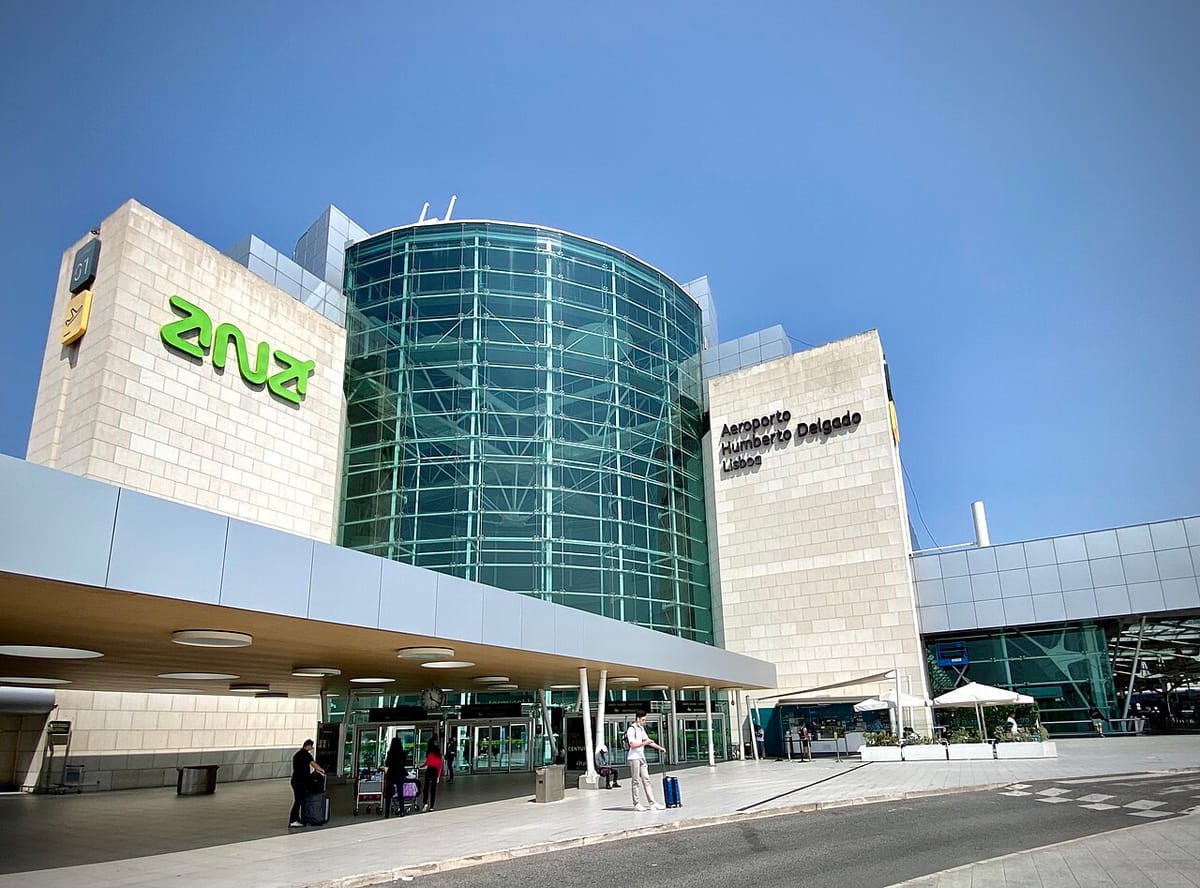
Prime Minister Luís Montenegro went to Lisbon's Humberto Delgado Airport on Thursday to put a date on it. "On 6 September we will have to collect 100 percent of the biometric data of citizens from outside the European Union, and that is going to mean added pressure on the work," he told reporters, flanked by the ministers of Administração Interna (Internal Administration), Infraestruturas (Infrastructure) and Economia (Economy).
Why 6 September, and not any other date
The date is not a government choice. It is the day the European Union's own safety valve shuts. The Entry/Exit System (EES) replaces the passport stamp with a digital record, including fingerprints and a facial image, for non-EU nationals crossing a Schengen external border. It began deploying in October 2025 and became fully operational in April 2026. To carry countries through the transition, states were given a mechanism to fall back to lighter manual checks when queues built up. That mechanism expires on 6 September.
Portugal did not want it to. In July, Lisbon co-signed a letter to Home Affairs Commissioner Magnus Brunner with eight other governments calling the September cut-off "a matter of serious and legitimate concern". Thursday's announcement is the answer to that letter, delivered without saying so: the override goes away, and Portugal will run the system as written.
Who gets fingerprinted, and who does not
The EES applies to third-country nationals admitted for a short stay of 90 days in any 180, whether or not they need a visa. The European Commission lists four exempt categories: citizens of the EU, Iceland, Liechtenstein, Norway and Switzerland; non-EU nationals holding a long-stay visa or a residence permit issued by a country operating the EES, with Cyprus and Ireland the exceptions; non-EU family members of an EU citizen holding a residence card; and nationals of Andorra, Monaco and San Marino, plus Vatican passport holders.
In plain terms: if you live here on a título de residência (residence permit), you are not enrolled, and your border check stays what it has always been. Your parents flying in from Boston, Bristol or São Paulo for a fortnight are enrolled, and from 6 September there is no lane that skips it.
What the government is promising
Asked whether extra resources are coming, Montenegro offered "permanent monitoring" leading to "greater investment from the computing and technological point of view", said that "using what the system already has, it is possible to make it more efficient, faster, more expeditious", and named Porto as the next pinch point, with an investment still at the design stage. On the queues he claimed "a frankly positive evolution", conceding only that "long queues are not good for the image" of the country. Those gains were bought: almost 400 extra PSP officers went into airport queues in the border unit's first year, at the cost of leaving inland immigration inspection thin, after waits at Lisbon reached four hours in April.
What this means for foreign residents
- Residence-permit holders are outside the system. Carry the card with the passport, as always. The exemption depends on the permit being issued by an EES-operating country, so an Irish or Cypriot permit does not exempt you.
- Visiting family should build in time. First enrolment is the slow one, and 6 September removes the manual fallback exactly as the tail of summer overlaps with autumn traffic. Algarve hoteliers petitioned to pause the system at Faro for the same reason in May.
- This is not ETIAS. The €20 travel authorisation for visa-exempt visitors is a separate instrument and has slipped to 2027. EES governs how you are processed at the border. ETIAS governs whether you are cleared to travel at all.
The honest reading of Thursday's visit is that the government does not know how 6 September will go. It has bought desks, gates and officers. What it will no longer have is the ability to switch the machine off when the hall fills up, and the ministers on the concourse were there because that is a political risk with a date attached to it.