The Côa Valley Rock Art That Halted a Dam Turns 30 as a Park, Drawing 400,000 Visitors
Portugal's Côa Valley Archaeological Park marks 30 years since a national campaign halted a dam to save its Ice Age engravings. More than 400,000 people have now visited the rock-art sites, with anniversary exhibitions running to 27 September.
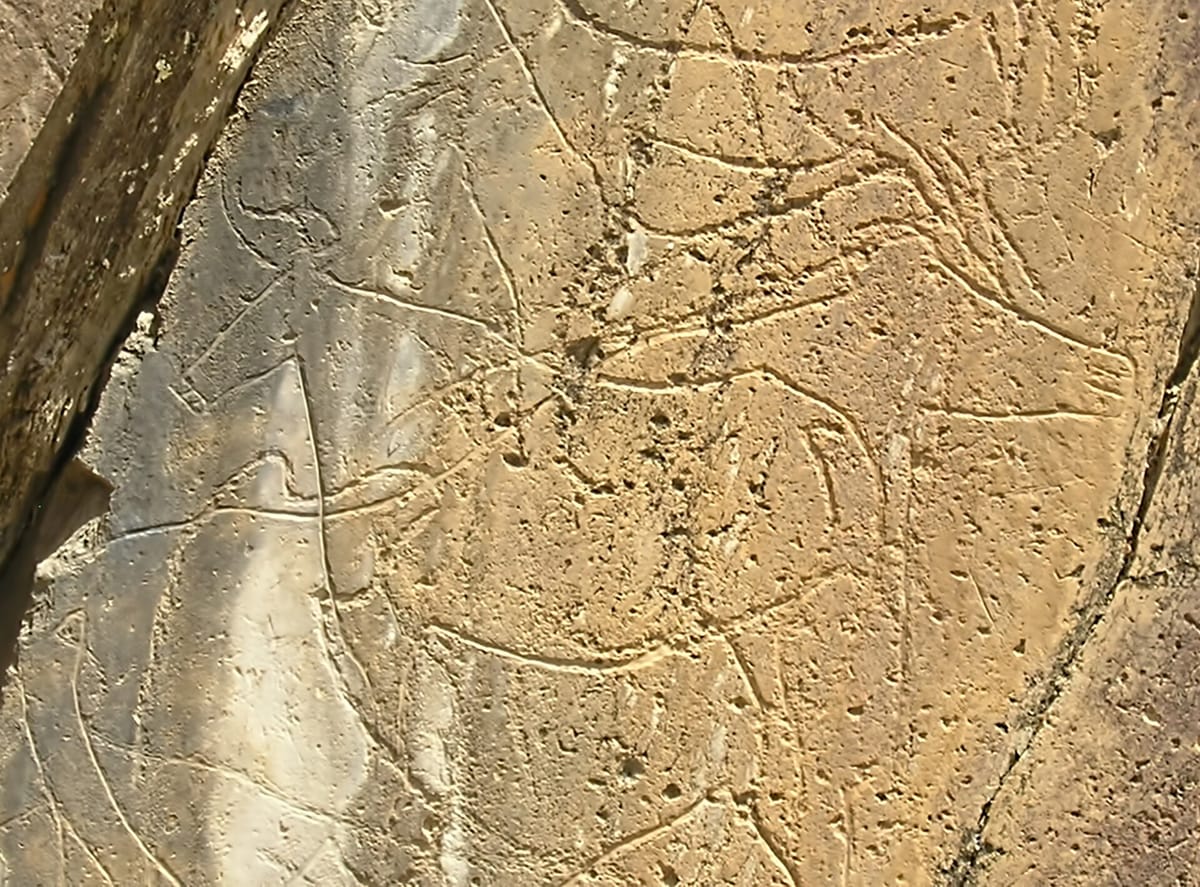
Thirty years ago, a stretch of the Douro's tributary valleys was days away from vanishing under a reservoir. Today the Côa Valley Archaeological Park (Parque Arqueológico do Vale do Côa) is marking three decades as one of the world's great open-air galleries of Ice Age art — and, according to figures released for the anniversary, it has drawn more than 400,000 visitors to its engraving sites in that time.
The park exists because of a fight. In the mid-1990s, construction of the Foz Côa dam was already under way when archaeologists confirmed that the valley's schist outcrops were covered in thousands of Palaeolithic engravings — horses, aurochs, ibex and fish incised into the rock up to 25,000 years ago. A national campaign, rallying behind the slogan "As gravuras não sabem nadar" ("the engravings can't swim"), forced the government to halt the dam in 1995 and create the park the following year. In 1998, UNESCO inscribed the site as a World Heritage property; the listing was later extended across the border to include Siega Verde in Spain.
From rescued rock to regional draw
The valley is now one of the largest concentrations of open-air Palaeolithic art anywhere. Its engravings are spread across dozens of sites, three of which are open to visitors on guided tours: Canada do Inferno, Penascosa and Ribeira de Piscos. Because the art is carved rather than painted, it reads best in raking light — which is why the Penascosa visit is timed for late afternoon, when the low sun throws the figures into relief.
The anchor of the modern operation is the Côa Museum (Museu do Côa), a dramatic concrete wedge above the meeting of the Côa and Douro rivers that opened on 30 July 2010 and has since welcomed around 473,000 people. The combined museum-and-park operation hit a record of roughly 125,000 visitors in 2024, up 7.5 percent on the previous year, and the museum passed its own fifteenth anniversary in July 2025. To mark the park's thirtieth year, a programme of exhibitions runs until 27 September.
What This Means for You
- Book ahead, and travel light. The engraving sites can only be seen on small-group guided tours, usually by four-wheel drive from the park's reception centres. Places are limited and sell out in summer, so reserve before you go.
- Pair it with the Douro. The park sits at the eastern end of Portugal's wine country, an easy add-on to a river trip — and this year's stronger Douro grape harvest means the vineyards will be busy through the autumn.
- Time your visit for the light. Choose Penascosa at dusk for the clearest carvings; the museum, open year-round, works in any weather.
- Getting there. Vila Nova de Foz Côa is roughly two hours inland from Porto, the natural gateway to the region and now served by a permanent Douro ferry crossing.
The Côa Valley is a rare case of a piece of Portuguese heritage that was saved rather than lost — a reminder, as the country weighs new dams and energy projects elsewhere, of what a single decision can preserve. Three decades and 400,000 visitors later, the engravings are still there, and still can't swim.