Portugal's 2026 Grape Harvest Is Forecast to Grow 12%, With the Douro Reclaiming Its Place as Top Region
The Institute of Vine and Wine forecasts a 6.7-million-hectolitre vindima, up 12% on last year, as the Douro (+25%) overtakes Lisboa to reclaim the top-producing region. The Azores are the only region expected to fall, hit by fungal disease.
Portugal's winemakers are heading into this year's vindima (grape harvest) with the most optimism they have felt in some time. The Instituto da Vinha e do Vinho (Institute of Vine and Wine, or IVV) forecasts that the 2026 campaign will yield roughly 6.7 million hectolitres of wine, an increase of about 12% on last year's crop — though still around 4% below the average of the past five years, a reminder of how lean recent seasons have been.
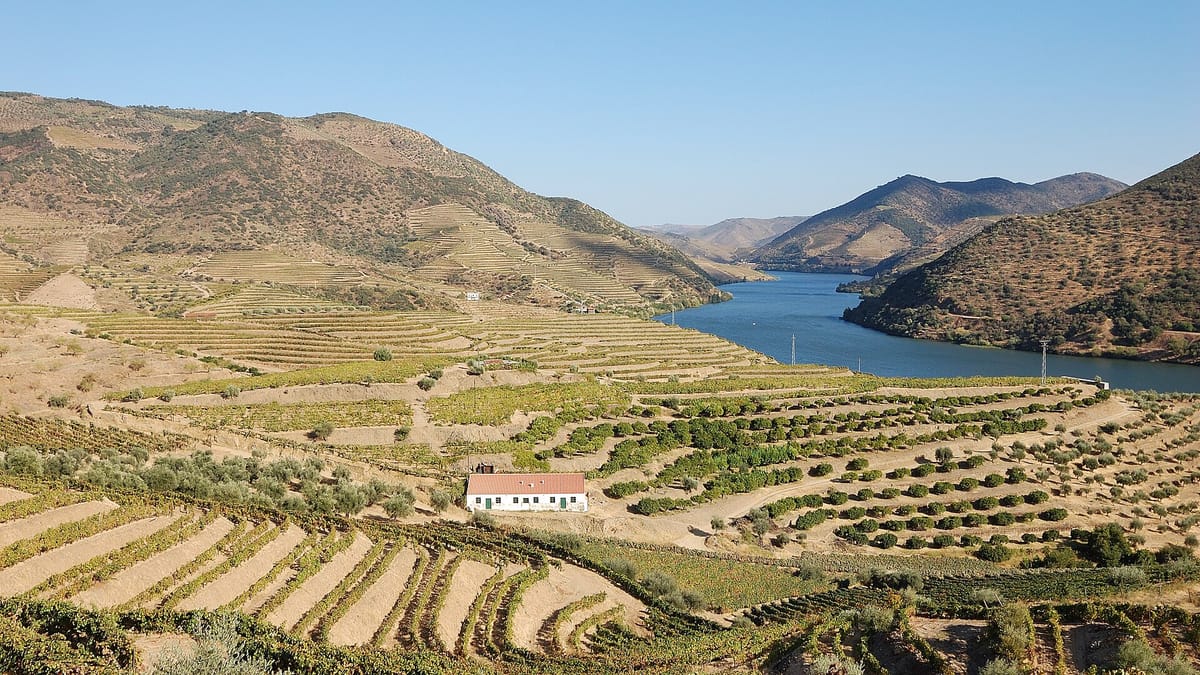
The rebound is spread widely across the country, but the headline is a change at the top. The Douro, the terraced valley in the north that gives the world port wine, is set to reclaim its position as Portugal's largest wine region, with production forecast at about 1.4 million hectolitres — a jump of 25% that would lift it back above Lisboa, the coastal region running north from the capital. Lisboa is expected to produce around 1.24 million hectolitres, up a more modest 7%, with the Vinhos Verdes region of the northwest close behind at roughly 1.07 million hectolitres, a 6% gain.
Other regions point firmly upward too. The IVV expects increases of around 15% in the Alentejo, the Península de Setúbal and Trás-os-Montes, spreading the recovery across some of the country's best-known appellations. The institute's president, Francisco Toscano Rico, attributes the broadly positive outlook to a favourable growing season — a combination of helpful weather and, crucially, low incidence of the diseases that can devastate a vintage.
There is one clear exception to the good news. The Azores, the mid-Atlantic archipelago whose volcanic-soil vineyards produce distinctive wines on a small scale, are expected to see output fall by roughly 20%, a drop the institute blames on pressure from fungal disease in the islands' damp, maritime climate. It is a pointed contrast with the mainland, where dry conditions helped keep such problems at bay.
The estimates are, for now, just that — projections made before the grapes are in. The harvest itself typically runs through late summer into autumn, region by region, and the final tally will depend on how the weather behaves over the coming weeks, when a heatwave or an ill-timed storm can still reshape a vintage. Winemakers watch this window closely, because both the volume and the quality of the year's wine are decided in these final days on the vine.
For Portugal, the stakes reach well beyond the cellar. Wine is one of the country's signature exports and a pillar of its rural economy, and regions such as the Douro and the Alentejo anchor a wine-tourism industry that draws visitors to tastings, harvests and vineyard stays each year. A larger, healthier crop after a run of difficult seasons is welcome news for growers' incomes, for the export ledger and for the many small producers whose livelihoods rise and fall with the annual vindima. For residents and visitors, meanwhile, it points to a 2026 vintage worth watching as it makes its way from the terraces to the table.