Six Months of Strike at Vale de Judeus, and It Is the Prisoners Who Are Locked In 22 Hours a Day
The strike began on 10 March and now runs to the end of September. The union says the yard netting, the security towers and the reorganised activity timetable promised after the 2024 escape have still not arrived.
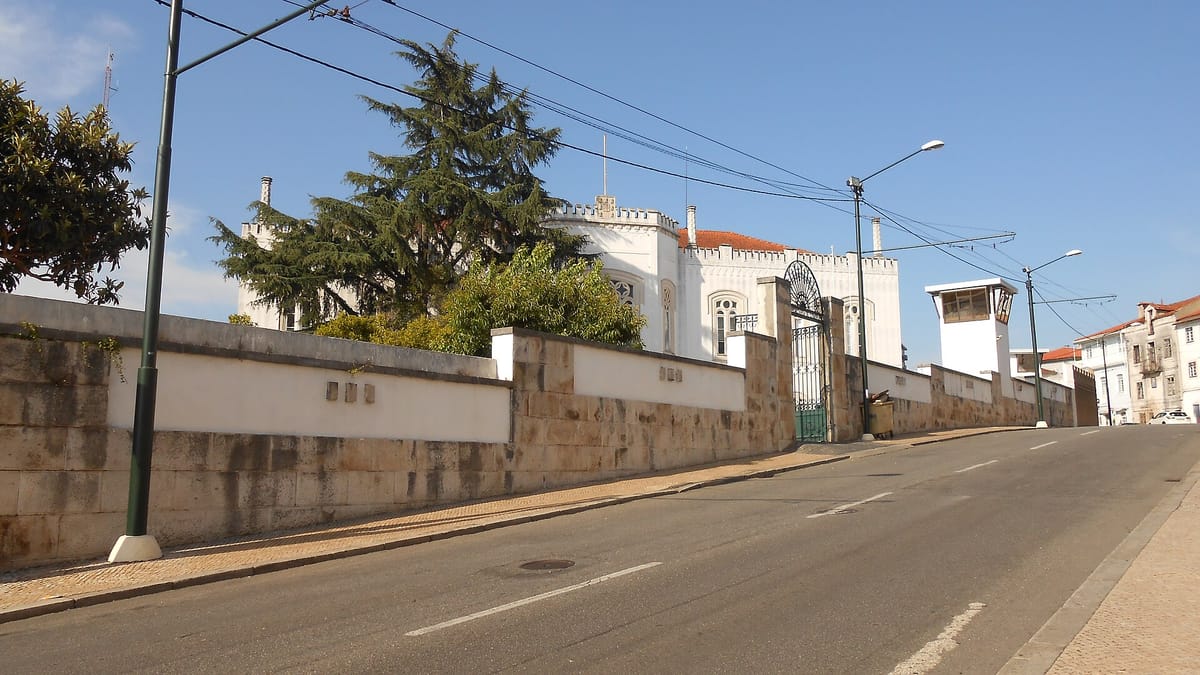
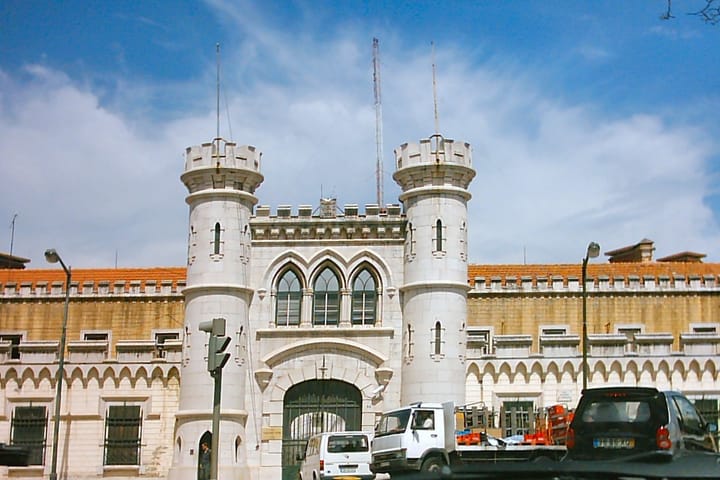
The strike by prison officers at Vale de Judeus, in Alcoentre, has been extended for another month, to the end of September. It began on 10 March. By the time this extension runs out it will have lasted close to seven months, and the people serving the harshest part of it are the prisoners.
Because the strike is total, with minimum services decreed, inmates at the establishment have no activities. They do not study and they do not work. Yard time is cut. They spend 22 hours a day in their cells.
What the union is asking for
Frederico Morais, president of the Sindicato Nacional do Corpo da Guarda Prisional, told Lusa that two years after five prisoners escaped from Vale de Judeus, and several months into a strike that began in March, the security conditions the officers demanded are still not in place.
He listed three things specifically. Safety netting has not been installed over the yard. The security towers the guards asked for have not been built. And the timetable of prisoner activities has not been reorganised. All three, he said, are still waiting on answers from the prison's own management and from the Direção-Geral de Reinserção e Serviços Prisionais.
The extension was possible because the DGRSP agreed to prolong the minimum-services arrangement covering a strike that was originally scheduled to end on 31 August.
Two years since the escape
The escape that triggered all of this took place in September 2024, when five inmates left Vale de Judeus and were subsequently recaptured. It produced inquiries, resignations and a set of commitments about physical security at the establishment. The union's case is simply that the commitments have not been delivered, and that the officers are being asked to run a high-security prison without the perimeter measures that were promised after it failed.
The dispute has escalated in slow increments rather than dramatic ones. Adherence was reported at 90 percent on the first day in March. It has been extended repeatedly since, in month-long steps, each time on the same grounds.
What this means for expats
- Visits are affected: at an establishment running on minimum services, visiting arrangements, transfers and external escorts are the first things to be curtailed. Anyone with a family member held at Vale de Judeus should confirm before travelling.
- This is not an isolated dispute: the Associação Sindical dos Profissionais da Polícia has separately called protests for 10 September, and the wider public-administration unions have set 2 October as a strike date.
- Prison conditions are already under external scrutiny: the Council of Europe's Committee of Ministers has given Portugal until September 2027 to show tangible progress on overcrowding.
- Twenty-two hours is the number to remember: it is the practical measure of what a staffing dispute does to a custodial regime, and it applies to people who are not party to it.
The pressure on the prison system has been building on several fronts this year. A new criminal-policy law took effect on 1 September, sending prisoners out to clear forest undergrowth, and the prison service banned creatine and whey protein from every establishment at the end of August because the detection kit at the gate cannot distinguish them from narcotics. At Vale de Judeus, none of it addresses the netting, the towers or the timetable.