Prison Guards Call a Strike From 17 November to 3 January, and Their Union Says Families Would Get One Visit a Week
The SNCGP says most prisoners would spend 22 hours a day in their cells, with no food parcels and one visit a week, as guards press the government over overtime pay and stalled promotions.
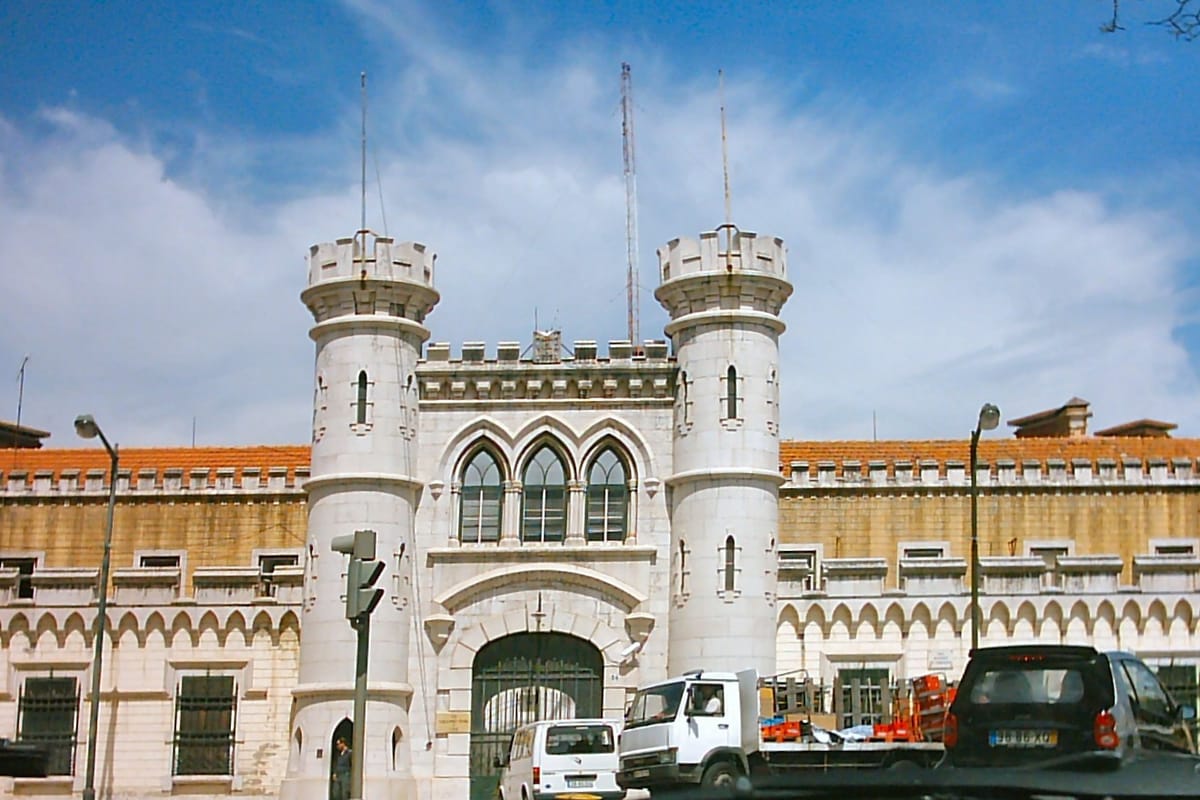
A prison guards' union has called a nationwide strike from 17 November to 3 January. The Sindicato Nacional do Corpo da Guarda Prisional (SNCGP, the national prison guards' union) announced the stoppage on Tuesday. It says the strike will keep most prisoners in their cells for 22 hours a day, cut visits to one a week and stop families from handing in bags of food and clothes.
The union says it is striking because the government has not carried out commitments it signed after almost four years of talks. "The failure to deliver commitments that were formally signed, and that should already be fully under way, has forced this union to move to a period of general strike," its leadership said, according to Lusa, as reported by Observador and Público.
What the strike would mean inside
The SNCGP's president, Frederico Morais, told Lusa that at least 70 percent of prisoners would be locked in their cells 22 hours a day. Citing a ruling of the Tribunal da Relação de Lisboa (Lisbon Court of Appeal) on what a guards' strike may involve, he said that during the strike:
- there will be no intimate visits;
- visitors will not be able to bring in bags of food and clothes;
- each prisoner will have one visit a week;
- the prison shop will open once a week, for essentials such as hygiene products and food;
- prison bakeries will not work, and the state will have to bring in bread from outside suppliers.
Morais said the minimum services already set would be met, but "to the letter". Guards will still escort prisoners to urgent medical appointments where their health is at risk, and will carry out any legal procedure that concerns a prisoner's release or a change to the measures imposed on them. The Prison Intervention and Security Group (GISP) and the Canine Operational Group (GOC) will keep doing urgent work. Morais said this was a "matter of conscience": with about 14,000 people in Portugal's prisons, security for prisoners, guards and the prisons themselves had to be doubled.
Families who plan to visit a relative between mid-November and early January, including over Christmas, should expect the weekly limit and check visiting arrangements with the prison beforehand.
What the guards want
According to the union, the rules on paying guards for overtime were published in the Diário da República (the official gazette) on 9 March, but eight months later the joint order of the Ministries of Justice and Finance needed to apply them has not been issued. "It is, on every level, incomprehensible that state bureaucracy should override justice at work," the SNCGP said.
It also says that the 45 places on a training course for senior guards, authorised for 2025, are still unfilled at the end of 2026. The competition for promotion to principal guard is running under the multi-year plan, but the 140 promotions have not happened, leaving "a stagnant career" in which guards wait more than 23 years for real progression.
The guards have other grievances. In September two decree-laws extended a risk supplement to almost every other job in the prison service, but left the guard corps out by name. At Vale de Judeus, a strike that began in March had by September left prisoners locked up for 22 hours a day.
By late Tuesday we had found no public response from the Ministry of Justice, and the strike notice was not yet on the union's website. The strike would end on 3 January 2027.