Portugal Trims Daily Sardine Landings by a Sixth From Wednesday to Keep the Fleet Within This Year's 33,446 Tonne Limit
From 28 October, purse-seine boats may land 2,250 to 5,625 kg of sardine a day depending on their size, about a sixth less than before. The fisheries authority cites a sharp rise in landings and the need to stay within the 2026 limit.
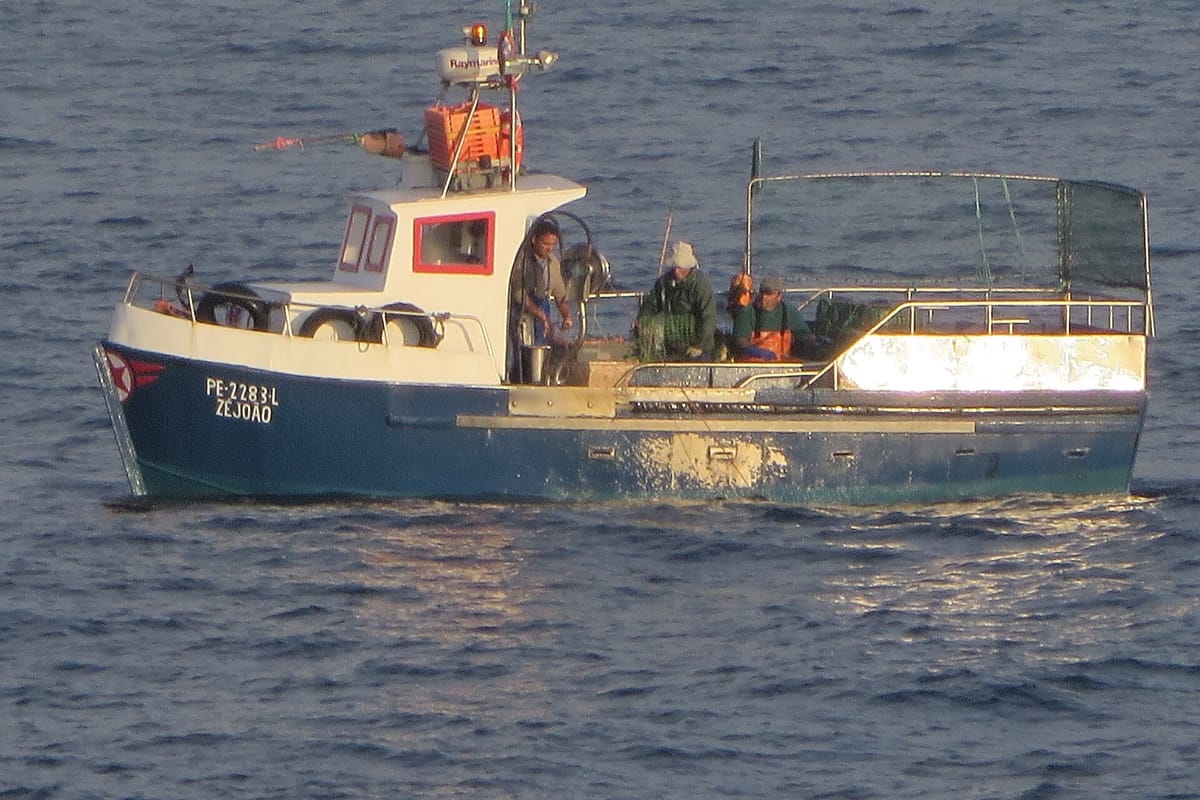
Portugal's sardine fleet must land less fish each day from midnight on Wednesday 28 October. Despacho n.º 47/DG/2026 (Order 47/DG/2026), signed on 26 October by the head of the Direção-Geral de Recursos Naturais, Segurança e Serviços Marítimos (DGRM, the national fisheries and maritime authority), cuts the daily amount of sardine a purse-seine boat may land or put on sale by about a sixth, for every vessel size.
The new daily caps
- Boats up to 9 metres long: 2,250 kg a day (100 crates), down from 2,700 kg.
- Boats over 9 and up to 16 metres: 3,938 kg (175 crates), down from 4,725 kg.
- Boats over 16 metres: 5,625 kg (250 crates), down from 6,750 kg.
Within each cap, no more than 900 kg (40 crates) may be sardine graded T4, the smallest commercial size, against 945 kg until now. The new caps are the same as those the fleet started the season with on 4 May.
Why the cut, and why now
The DGRM gives three reasons: the current level of catches, what it calls a significant increase in sardine landings in recent weeks, and the need to keep within this season's limits. The Comissão de Acompanhamento da Sardinha (Sardine Monitoring Committee), was consulted in writing.
It is the second cut in a month, after a summer increase. Order 40/DG/2026 raised the caps from 20 July to 7,875 kg for the largest boats, saying the sector found catches too low to meet demand and that scientific data showed the Iberian stock in good condition. Order 44/DG/2026 brought them back down to 6,750 kg from 28 September, citing the sector's concern over how fast the year's fishing opportunities were being used.
The annual limit and the science
Sardine off the Atlantic coast of Iberia is managed jointly by Portugal and Spain under a plan running from 2021 to 2026. The order that reopened the fishery this year (Despacho n.º 5288/2026, published in the Diário da República on 22 April) sets a combined 2026 limit of 50,294 tonnes, of which 33,446 tonnes (66.5 percent) go to Portugal's purse-seine fleet. ECO reported that the national figure is 960 tonnes lower than in 2025.
The joint limit is above the scientific advice. The International Council for the Exploration of the Sea (ICES) advised that, under its maximum sustainable yield approach, catches in 2026 should not exceed 38,978 tonnes. The two governments instead applied the fishing mortality rate of 0.12 set out in their own plan. Earlier this month WWF Portugal named the sardine among the species that have recovered.
Neither the DGRM nor the Ministry of Agriculture and the Sea has published how much of Portugal's 33,446 tonnes remains. The DGRM reports usage to producer organisations monthly, but not publicly.
What happens when the quota runs out
When either group of boats reaches its annual total, the DGRM must close the fishery by order, banning purse seiners from catching, keeping on board or landing sardine. That happened last year: the fishery shut on 3 December 2025, as the Portuguese limit of 34,406 tonnes was about to be reached, and reopened on 4 May. Earlier this year boats that depend on sole lost part of their season when that quota ran out early.
The caps apply in every sardine port from Caminha and Viana do Castelo to Vila Real de Santo António. Weekend stops and the ban on fishing sardine on national holidays remain.
The order does not mention prices. Boats that were landing close to the old caps will bring less sardine to the auction halls each day.