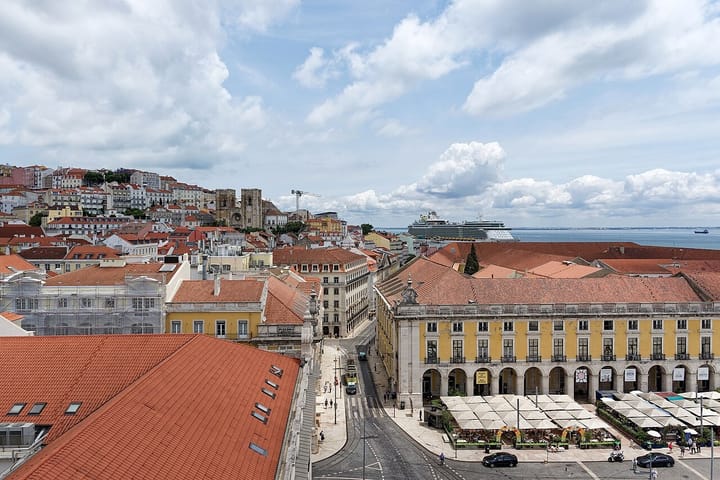
Lynx and Sardine Recoveries Prove Nature Can Bounce Back in Portugal, but Fossil-Fuelled Transport Holds It Back, WWF Finds
The Living Planet Report 2026 still finds a 73 percent average fall in monitored wildlife since 1970. WWF Portugal credits the lynx, tuna and sardines, and lists where the country is falling short.
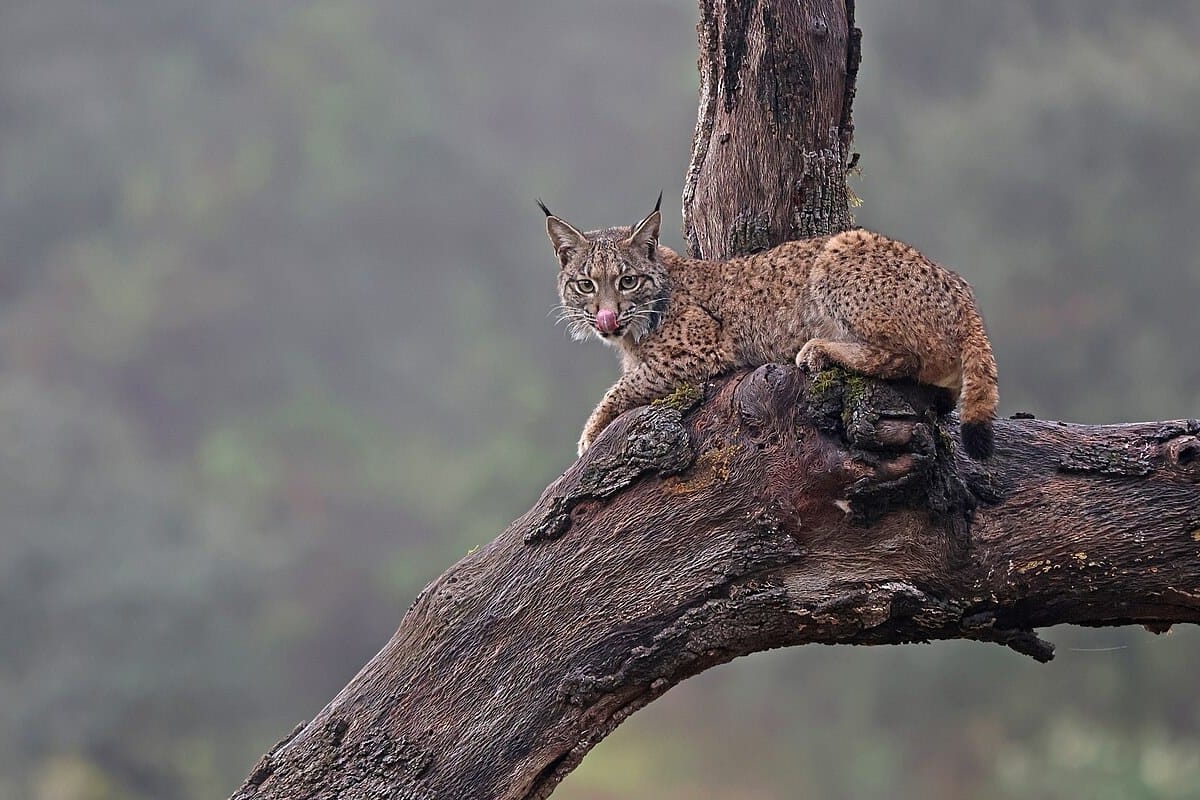
The Iberian lynx, bluefin tuna and the sardine are signs that nature in Portugal can recover, but the country's dependence on fossil fuels in transport, energy poverty and its food system are holding that recovery back, WWF Portugal said on Wednesday as it published the Portuguese edition of the executive summary of the Living Planet Report 2026.
The global picture
The Living Planet Report is published every two years by WWF with the Zoological Society of London (ZSL), and this year's edition is titled "Science and Hope". Its Living Planet Index tracks 35,803 population trends for 5,790 vertebrate species from 1970 to 2022, and finds an average fall of 73 percent in the size of monitored wildlife populations.
That figure is the same as in the 2024 report. The 2020 and 2022 editions recorded falls of 68 and 69 percent. The decline is steepest in freshwater ecosystems (85 percent), followed by land (69 percent) and the oceans (59 percent). Habitat loss and degradation is the main threat, followed by overexploitation, climate change, pollution, invasive species and disease.
For the first time, the report also sets out concrete cases of recovery. About half of the populations in the index are stable or growing, and WWF cites the green turtle, bluefin tuna and elephants in southern Africa. Wild tigers numbered 3,200 in 2010 and 5,700 in 2025.
Portugal's report card
WWF Portugal lists three Portuguese successes: the return of the Iberian lynx, the recovery of bluefin tuna stocks and the recovery of sardine abundance. These show that "public policy, science, proper management and concerted action can produce results", the organisation said.
It also points to progress on energy. In 2024, renewables supplied 36.5 percent of Portugal's gross final energy consumption and 65.8 percent of its electricity generation.
The weaknesses it lists are:
- heavy dependence on fossil fuels in transport;
- energy poverty, and limits on the electricity grid;
- a food system that still favours production and consumption with large climate and nature impacts;
- a financial sector that does too little to account for the risks of nature and biodiversity loss.
Climate change makes these more urgent. Between 1980 and 2024, Portugal recorded an estimated 17.7 billion euros in economic losses from extreme weather and climate events, WWF Portugal said, citing fires, drought, coastal erosion and floods as growing risks.
"The solutions exist and are already producing results, but we need to speed up their implementation, remove harmful incentives and make sure the energy, food and financial transitions protect nature and people at the same time," said Ângela Morgado, WWF Portugal's executive director.
A warning to Brussels
The report comes as the European Commission pursues changes that WWF says could weaken EU laws protecting nature, water and ecosystems in the name of competitiveness. Morgado called the report "another warning for Europe" and urged governments to strengthen the safeguards rather than loosen them. WWF also sees the UN biodiversity conference (COP17, in Yerevan this month) and climate conference (COP31, in Türkiye in November) as chances to turn commitments into action.
For readers who want to see Portugal's best-known recovery for themselves, our guide to the Iberian lynx in Portugal explains where the animals live and where visitors can learn about them.