Portugal's New Criminal-Policy Law Takes Effect on 1 September, Sending Prisoners to Clear Forest Undergrowth and Setting €10,200 Fines for Stalling a Case
The 2026-2028 criminal-policy framework and a parallel procedural reform both come into force on 1 September, reshaping how Portugal prioritises crime and punishes delay tactics in court.
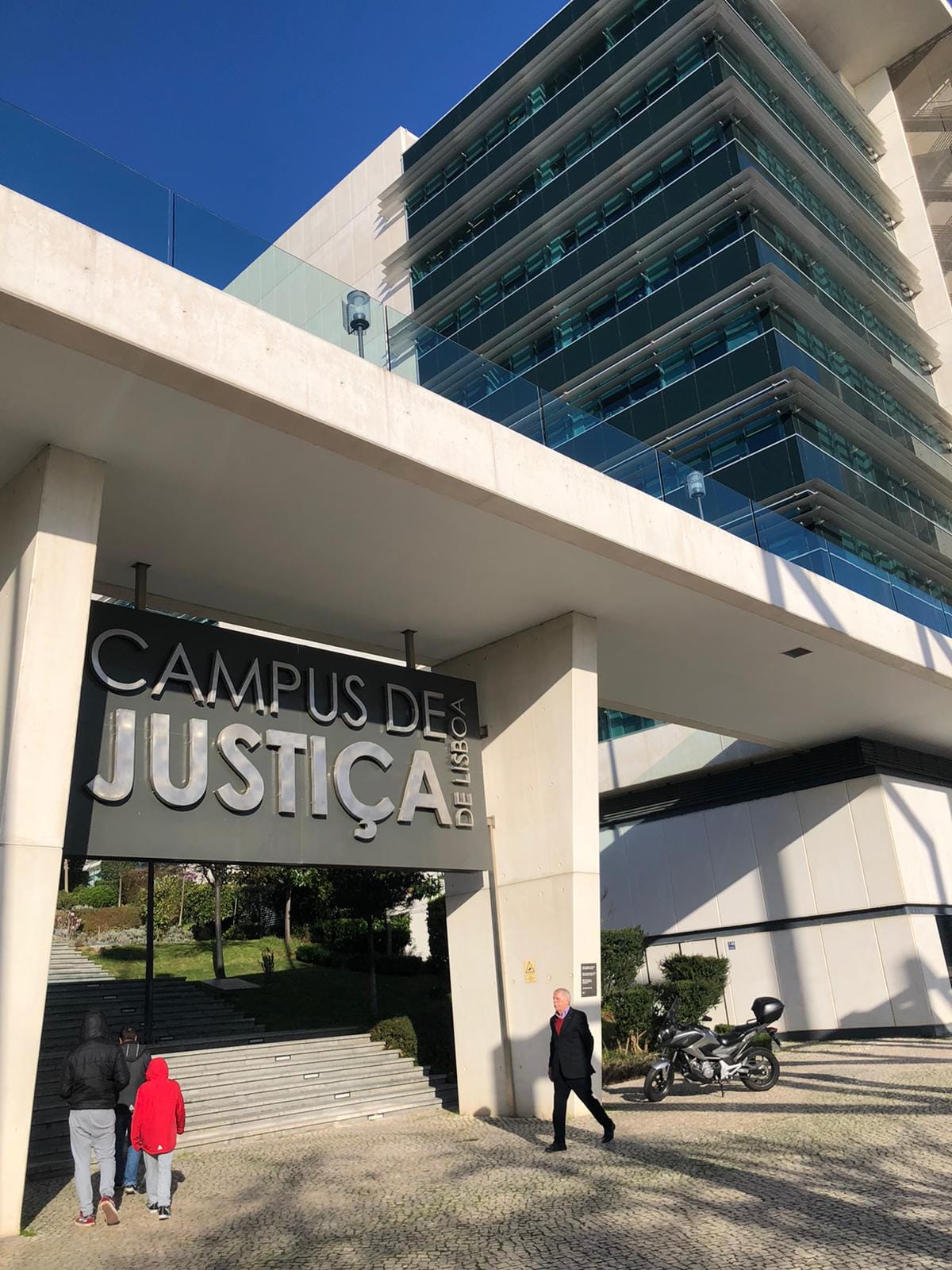
Two pieces of criminal-justice legislation that Portugal's parliament passed in June come into force on 1 September, and together they signal a shift in how the state wants its courts, police and prisons to spend their time. One is the new Lei-Quadro da Política Criminal (Framework Law on Criminal Policy) for 2026-2028; the other is a procedural reform aimed at speeding up trials and punishing those who drag them out.
Prisoners in the forests
The most eye-catching provision sends inmates to work outdoors. Under the framework law, prisoners will be able to take part in public-utility tasks — specifically the “cleaning, maintenance and valorisation of land, forests and wooded areas” — organised through the Direção-Geral de Reinserção e Serviços Prisionais (Directorate-General for Reintegration and Prison Services, or DGRSP). In a country where summer wildfires are a perennial emergency, clearing undergrowth doubles as fire prevention, and the government frames the scheme as both rehabilitation and civic contribution.
The law also sets the crimes that police and prosecutors must treat as priorities for the next two years. Prevention and investigation are to focus on violent crime, domestic violence, corruption, forest fires, hate crimes, sabotage of critical infrastructure, breaches of the sanctions imposed on Russia over the invasion of Ukraine, and the illegal possession and use of weapons. It introduces a new legal category of “zones with socially impactful crime,” where authorities can mount special operations — including identity checks and searches of people, vehicles and premises — when the legal conditions are met.
The framework replaces the 2023-2025 law. It was approved by the Council of Ministers in February, passed parliament on 12 June and was promulgated by President António José Seguro on 17 July before publication in the Diário da República (the official gazette).
A price on delay
The second law targets a chronic complaint about Portuguese justice: cases that crawl for years. It creates fines of up to €10,200 — the equivalent of 100 units of account at €102 each — for procedural acts carried out to delay proceedings. To do that it amends three texts at once: the Código de Processo Penal (Code of Criminal Procedure), the Código Penal (Penal Code) and the Regulamento das Custas Processuais (Procedural Costs Regulation).
Alongside the penalty for stalling, the reform expands the use of abbreviated trial procedures to crimes carrying sentences of more than five years, and widens the circumstances in which a full confession can shorten a case without the court having to hear additional evidence — both intended to move serious cases through the system faster.
The changes are not uncontested. The Lisbon regional council of the Ordem dos Advogados (Bar Association) has asked for a preventive constitutional review, warning that penalising procedural conduct risks colliding with defendants' rights. That challenge will hang over the reform even as it takes effect.
For residents, the practical takeaway is narrow but real: from September, Portugal is promising faster trials, harsher treatment of delay tactics, and a visible new role for prisoners in the fight against the wildfires that shape every Portuguese summer.