Sines Gets Its Own Alfândega (Customs Office) on 1 January 2027 as Finance Ministry Pulls It Out of the Setúbal Delegação — 33-Strong Standalone Office Lands at the ZAL With Vehicle-Tax and Tributary Gabinetes
Finance Minister Joaquim Miranda Sarmento's 9 June visit to Porto de Sines unveiled a standalone Alfândega for the country's biggest maritime gateway — 33 staff, two dedicated gabinetes and a 1 January 2027 start lift Sines out of its delegação status under Setúbal.
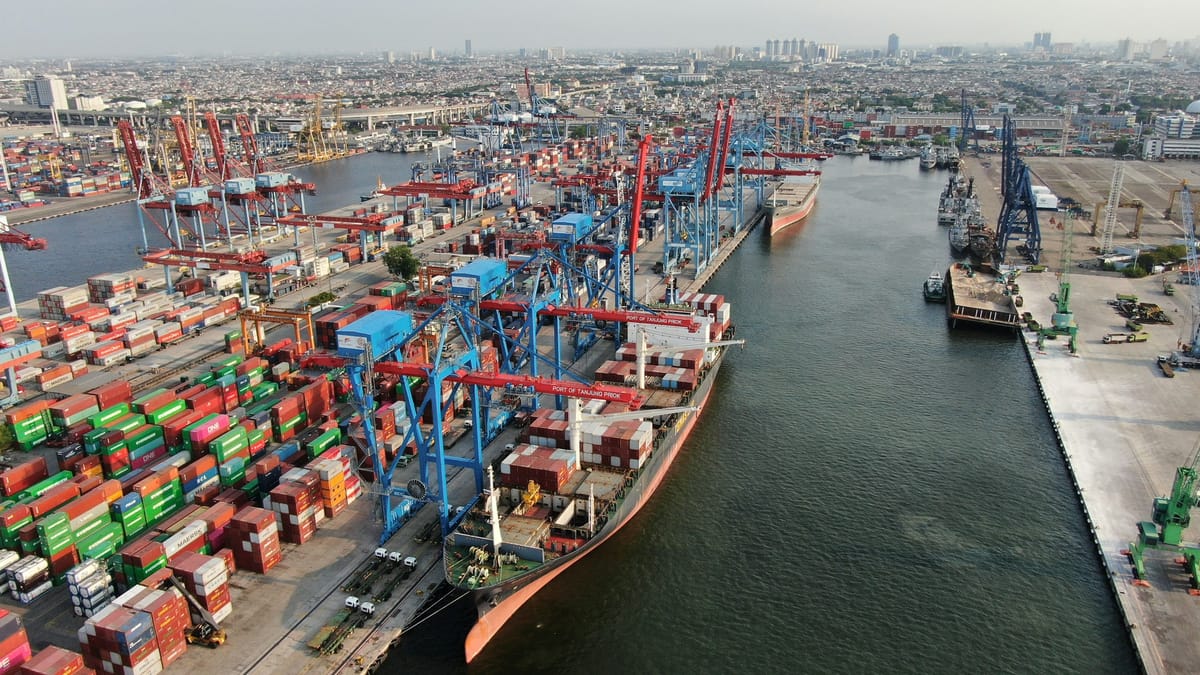
The Ministério das Finanças (Ministry of Finance) used a Tuesday 9 June 2026 site visit to Porto de Sines to announce that the port will lose its delegação aduaneira (customs delegation) status under the Alfândega de Setúbal and gain a standalone Alfândega de Sines (Sines Customs Office) effective 1 January 2027. Finance Minister Joaquim Miranda Sarmento and Secretária de Estado dos Assuntos Fiscais (Secretary of State for Tax Affairs) Cláudia Reis Duarte travelled to the Alentejo coast to brief Administração dos Portos de Sines e do Algarve (APS) president Pedro do Ó Ramos on the reorganisation, which lifts Sines out of an arrangement that has had the country's biggest maritime gateway formally accountable to a Setúbal-headquartered customs office at the Sado estuary.
The new Alfândega de Sines will set up shop inside the port's Zona de Atividades Logísticas (ZAL, Logistics Activities Zone) with a 33-person mapa de pessoal (staffing plan). The Ministério das Finanças confirmed seven new positions are added to the existing 26-strong delegation, with the upgraded structure carrying a director and an adjunto (assistant director) plus two dedicated technical units — a Gabinete de Procedimentos Tributários (Tax Procedures Office) and a Gabinete do Imposto sobre Veículos (Vehicle Tax Office). The latter is the operational handle for Imposto sobre Veículos (ISV, Vehicle Tax) charges on vehicle imports arriving by sea, a workload that has historically routed through Setúbal even when the vehicles touch Portuguese soil at Sines.
Cláudia Reis Duarte framed the case around throughput economics. "Cada minuto poupado num terminal, cada documento eliminado, representa ganhos de competitividade reais para as empresas e para a economia nacional" (Every minute saved at a terminal, every document eliminated, represents real competitiveness gains for businesses and for the national economy), the Secretária de Estado said at the briefing. APS president Pedro do Ó Ramos called the move "um dia histórico" (a historic day) and "um ato de justiça" (an act of justice) — the language tracks years of complaints from terminal operators about routing customs documentation through a Setúbal office that has no granular feel for Sines's container, fuel and bulk traffic.
The throughput case is the load-bearing piece of the rationale. Porto de Sines moves more than 50% of Portuguese maritime cargo, a share APS and the Ministério have invoked publicly to argue that the absence of a dedicated alfândega was an organisational anomaly. The container terminal — operated by PSA Sines under a long-running concession — handled 1.7 million Twenty-Foot Equivalent Units (TEU) in 2025, a 10% drop from the 1.9 million TEU posted in 2024 (the terminal's best year on record) and pinned by APS leadership on a 22-day labour stoppage and broader "instabilidade laboral" (labour instability) at PSA Sines. Total port tonnage closed 2024 at 47.8 million tonnes with the container terminal alone moving 23 million tonnes — context for why a dedicated customs structure has been on the trade community's wishlist for some time.
The reorganisation also reshapes the customs map further north. The Alfândega do Jardim do Tabaco on Avenida Infante Dom Henrique in Lisbon will be downgraded into delegação status, the inverse of the Sines move, while the Alfândega Marítima will keep its current address on Avenida Brasília. The net effect on the Autoridade Tributária e Aduaneira (AT, Tax and Customs Authority) organogram is one new standalone alfândega at the Atlantic deep-water port that handles the bulk of the country's container and fuel trade, balanced by a downgrade at a Lisbon office whose throughput has shifted decisively to the Sado-Alentejo axis as Sines added gantry-crane capacity and PSA brought its electric quay-side cranes online.
The 2030 horizon for Sines underpins the staffing call. PSA Sines's current installed container capacity at Terminal XXI runs to 2.3 million TEU on 1,350 metres of cais (quay) at 16.5 metres draft; the Phase III concession expansion, in execution under PSA's investment programme, is built to take that ceiling to roughly 4.2 million TEU when finished by 2030. Add the parallel Terminal Vasco da Gama feasibility track — APS expects to close that study in the coming months — and the dossiers ready for customs review will compound. Putting 33 customs staff in the ZAL ahead of the capacity ramp-up gives the AT a presence that scales with the terminal, rather than reacting after the fact.
The 1 January 2027 start date sits inside the AT's known restructuring cadence. The Ministério did not, on Tuesday, publish a portaria number in Diário da República for the reorganisation; the operational portaria, including the precise mapa de pessoal classifications and the technical-unit competências (competencies), is expected to land before the parliamentary recess. Until that publication, the existing Setúbal delegação remains the formal customs point of contact for Sines clearances.
What This Means for Expats and Residents
- Vehicle imports via Sines will get a dedicated ISV desk: The Gabinete do Imposto sobre Veículos inside the new Alfândega de Sines specifically handles ISV charges and vehicle-classification disputes on imports landed at the port. If you are importing a used car or motorcycle from outside the EU and routing it through Sines, the post-1 January 2027 process drops a Setúbal layer from the paperwork and adds a local desk for cilindrada (cylinder capacity) and CO₂ band questions — relevant when the ISV brackets shift with the OE2027.
- Container customs queries will route locally for businesses: Importers and consignees clearing freight at Sines — including small operators bringing in single-container shipments through forwarders — should plan to redirect customs correspondence and Janela Única Aduaneira (Customs Single Window) workflow to the new Sines alfândega from January 2027. The director and adjunto positions in the new structure carry decision-level competência that previously required escalation back to Setúbal.
- The throughput-share argument is the policy hook: The Government's case for the upgrade rests on Sines moving 50%+ of national maritime cargo. That figure is the same anchor used in lobbying for the ferroviário corridor, the Vasco da Gama terminal feasibility and the PSA Phase III concession milestones — track it across other Sines-related dossiers as the de facto Government-side metric for prioritisation.
- Lisbon's Jardim do Tabaco becomes the inverse move: If you have business with the Alfândega do Jardim do Tabaco on Avenida Infante Dom Henrique, expect it to be reconfigured into delegação status as part of the same restructuring package. The Alfândega Marítima on Avenida Brasília is unaffected.
- The portaria has not been published yet: Until the operational portaria lands in Diário da República, the legal route for clearances does not change. Watch for the Joaquim Miranda Sarmento / Cláudia Reis Duarte joint signature before the parliamentary recess — that portaria will lock in mapa de pessoal carteiras and the gabinete competências.
The customs upgrade lands as Porto de Sines manages the after-effects of the 2025 throughput drop — APS leadership warned in September that the year would underperform 2024, and the final tape confirmed the 12% headline contraction across the wider port and the 10% container-specific drop. The 1 January 2027 launch gives PSA Sines, APS and the terminal community 18 months to align internal workflows on the new clearance routing before the Phase III capacity ramp lands. On the relocation, customs and household-move side of the file, our practical guide to moving your household goods to Portugal and the transfer-of-residence customs relief sets the latest reference. On the car import, vehicle tax and legalisation side of the file, our practical guide to importing and legalising a foreign car in Portugal sets the latest reference. On the industrial-land, foreign-investment and multinationals side of the file, Portugal's plan for six large business zones sets the latest reference. On the digital-infrastructure side of the story, Google's Nuvem subsea cable landing at Sines sets the latest reference. On the ports, shipping and trade-logistics side of the file, the Port of Sines' record container month sets the latest reference. On the groundwater side of the file, the protection perimeters just drawn around 23 Alentejo drinking-water boreholes shows how far the new restrictions reach, and where the state stopped short. On the Sines industrial file, Repsol's 830 million euro Alba project collecting its operating title for two 300,000-tonne polymer plants, a year behind the company's own published schedule is the latest step.