Portugal Floats Six Large Business Zones to Anchor Multinationals, With Sines as the Template
Portugal's economy minister, Manuel Castro Almeida, says the government wants to build six large 'business reception areas' of 300 to 800 hectares each — two in the North, two in the Centre, one near Lisbon and one in the interior Alentejo — to stop losing multinationals for lack of ready-to-build l
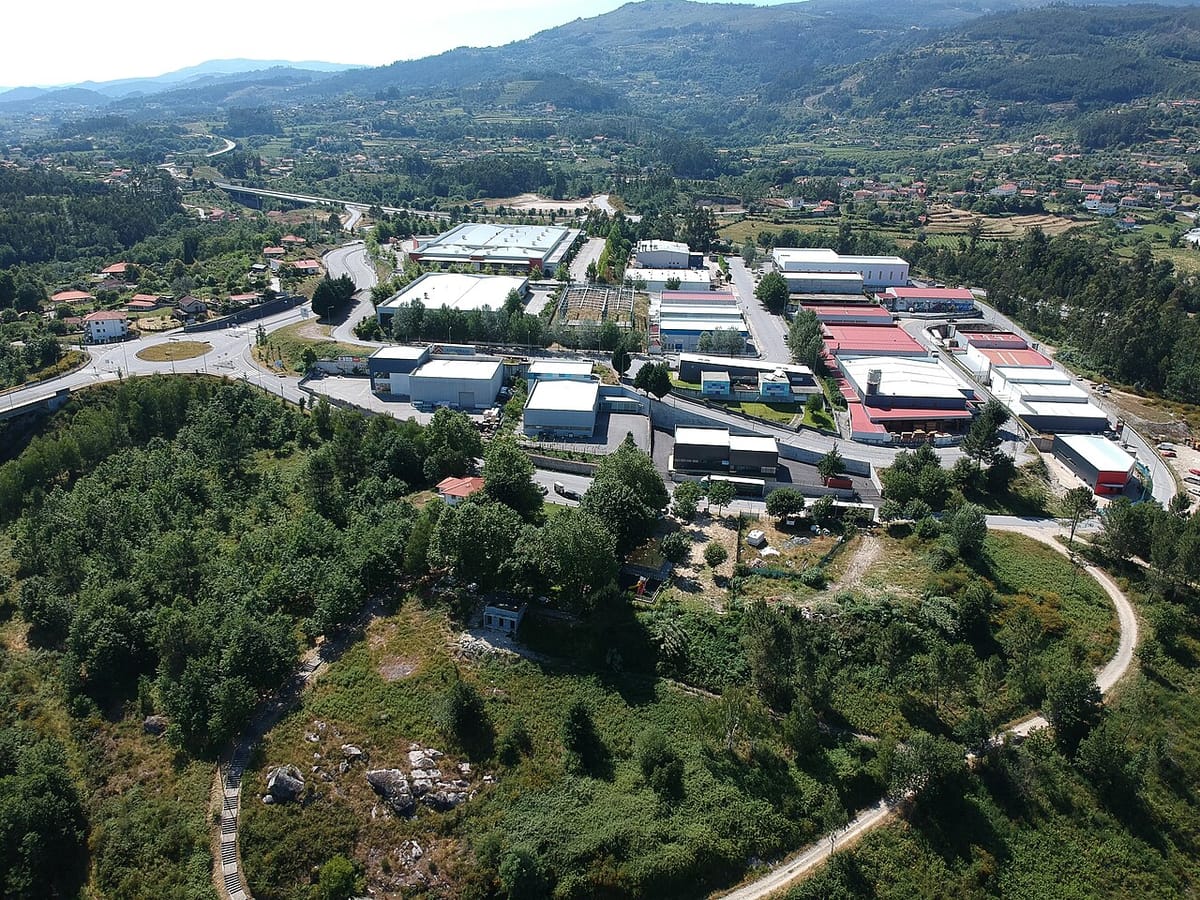
Portugal wants to carve out six large business zones across the country to stop losing big international investors to its neighbours, the Minister of Economy and Territorial Cohesion (Ministro da Economia e da Coesão Territorial), Manuel Castro Almeida, said on Friday, 10 July 2026. Speaking to journalists in Torres Vedras, north of Lisbon, at the inauguration of a new road link between the A8 motorway and the local Palhagueiras business estate, the minister sketched out a plan to build a handful of very large, fully serviced industrial sites — each between three and eight square kilometres (roughly 300 to 800 hectares).
The pitch is blunt: Portugal keeps missing out on major foreign investment, the minister argued, because it simply does not have ready-to-build land at the scale that large multinationals ask for. "Large international companies wanting to invest in Portugal are choosing other countries because there is no properly infrastructured land in Portugal of the size some companies want," he said. The answer, in his telling, is to replicate what already exists at Sines — Portugal's deep-water port and industrial hub on the Alentejo coast — but on a smaller scale and spread around the country. It is a familiar theme: the state has been assembling serviced land elsewhere too, from a €468 million logistics park in Grândola to innovation-campus bids backed by the same minister.
What is being proposed
The idea is for six "business reception areas" (áreas de acolhimento empresarial) large enough to host the kind of factory, logistics or data-centre projects that need hundreds of hectares in one place. Castro Almeida set out a rough geographic spread: two in the North, two in the Centre (one on the coast and one inland), one in the Lisbon area, and one in the interior of the Alentejo. Sines already covers the Alentejo coast, which is why the sixth site would sit inland.
The developer would be Global Parks, a company owned by AICEP (Agência para o Investimento e Comércio Externo de Portugal, Portugal's trade and investment agency), while the choice of exact locations would fall to the Regional Coordination and Development Commissions (Comissões de Coordenação e Desenvolvimento Regional, the CCDRs). No specific municipalities have been named, and the sizes quoted are per site — the minister did not put a total hectarage, headcount or investment figure on the plan.
A plan, not yet a decision
For now this is a statement of intent rather than a funded programme. Castro Almeida made the remarks on the sidelines of an unrelated ribbon-cutting, not as part of a formal strategy document or a decision by the Council of Ministers, and he was candid that the money is not yet in place: it will fall to the government, he said, to "find financing for the works." There is no approved budget, no chosen sites and no timeline attached to the six zones.
It is worth separating this new ambition from an earlier, smaller initiative. In 2022 the government approved €110 million from the Recovery and Resilience Plan (Plano de Recuperação e Resiliência, the PRR) to modernise existing industrial areas in a list of interior municipalities — a different, older programme aimed at upgrading what is already there. The six large zones the minister described are a fresh proposal to build new capacity from scratch, and no funding source has been tied to them.
Why it matters
Portugal has spent recent years courting foreign investment in technology, energy and logistics, and the constraint the minister is pointing to is a real one: assembling a single, licensed, infrastructure-ready plot of several hundred hectares is slow and difficult, and investors who cannot wait go elsewhere. Whether six new mega-sites materialise will depend on money, land and the willingness of regions to host them — none of which is settled today.
What This Means for You
- If you run or advise a business looking to expand in Portugal: this is an early signal of where the state wants to steer large industrial and logistics projects, but there is nothing to apply for yet — no sites, no rules and no budget have been set.
- If you live in one of the target regions: the North, Centre, greater Lisbon and interior Alentejo are all in the frame, but exact locations would be decided later by the regional commissions, so it is far too early to know which municipalities might be affected.
- For the wider economy: the plan is an admission that Portugal is losing sizeable investments for lack of shovel-ready land — a gap the government now says it wants to close, if it can find the funding.
The test, as with much industrial policy, will be delivery. The minister has named a number and a rationale; the sites, the money and the timetable are still to come.