State Auditors Question Long-Standing RTP Bonuses, Freezing Extra Pay for About 300 Staff
A preliminary audit by the Inspeção-Geral de Finanças flags supplements paid to about a fifth of RTP's staff. The broadcaster has frozen new awards and says the perks are rooted in a 2006 collective agreement — unions meet management to resist cuts.
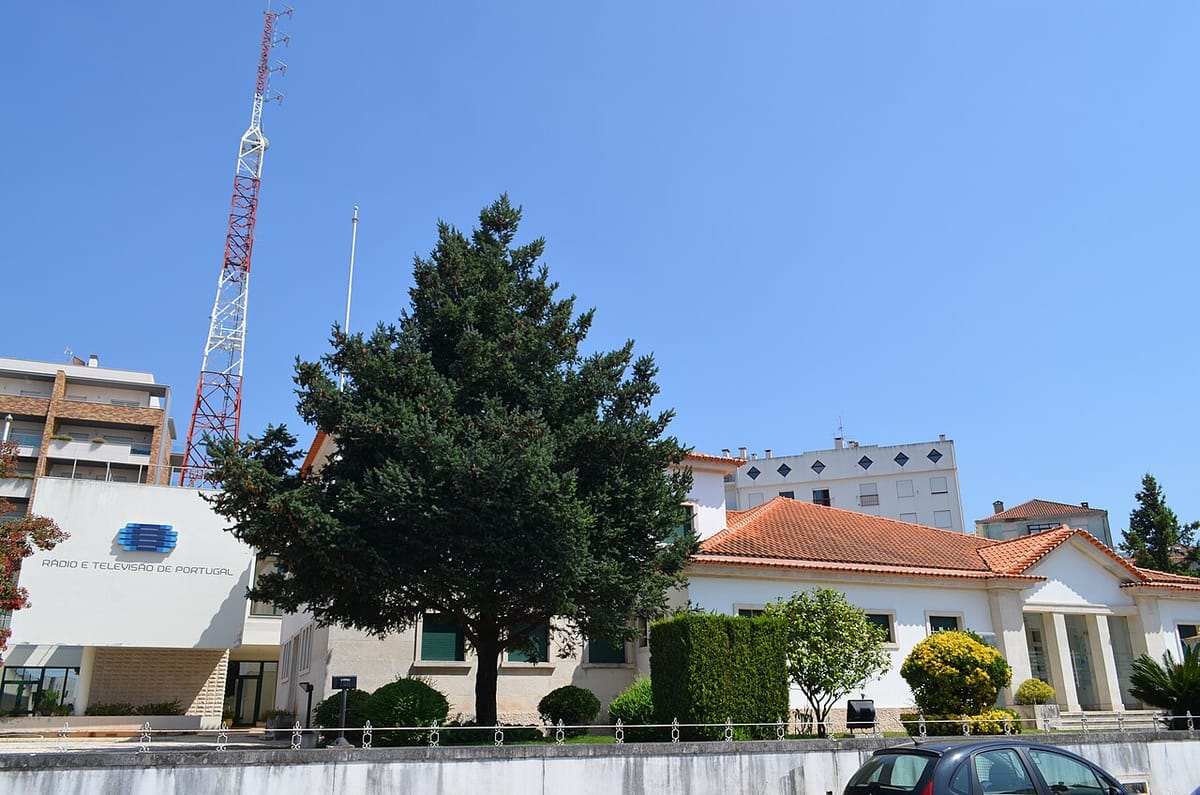
The public broadcaster RTP (Rádio e Televisão de Portugal, the state-owned radio and television company) has hit pause on a slice of its own payroll after government auditors questioned how it has been topping up the pay of hundreds of employees.
At the centre of the row is a preliminary report from the Inspeção-Geral de Finanças (Inspectorate-General of Finance, the finance ministry's audit arm). Covering the period from 2018 to 2024, it flags a set of remuneration components — supplements and subsidies layered on top of base salaries — that the inspectors consider to have been paid without proper legal footing.
RTP's response was to suspend, preventively, any new attribution of the contested payments while it seeks an urgent meeting with the ministries that oversee it. The company has been careful to frame this as a freeze on future awards rather than an immediate clawback from those already receiving them.
How many workers are affected
The numbers matter here, because early coverage made the problem sound bigger than the company says it is. According to RTP, roughly 80% of its staff receive none of the flagged payments; the supplements reach only about a fifth of the workforce, or in the region of 300 people. In cost terms, RTP puts the disputed items at under 2% of its total personnel bill — small as a share of the budget, but potentially significant for the individual pay packets involved.
The broadcaster's core defence is one of history. It argues that almost all of the payments trace back to its Acordo de Empresa (company collective agreement) signed in 2006, or to internal rules that predate the 2011 wave of pay restrictions imposed on state-owned companies. In other words, these were negotiated benefits, not recent giveaways.
Unions dig in
That argument is exactly what the unions intend to press. The Sindicato dos Jornalistas (Journalists' Union) and other worker bodies are due to sit down with RTP's management to head off any interruption to payments staff already rely on. For them, a subsidy written into a collective agreement is a contractual right, not a discretionary bonus an auditor can wave away.
The political layer is still forming. The government has said it had not formally received the IGF report, and RTP's own Conselho de Opinião (Opinion Council, the body that safeguards the broadcaster's editorial independence and public-service remit) has registered concern about how the affair is unfolding.
Why it resonates
The episode sits on a familiar fault line: a publicly funded institution, financed largely through the state budget, is expected to hold its spending to a high standard of transparency — yet it is also a decades-old employer bound by labour agreements that long predate today's austerity-tinged rulebook. Auditors judge against the current framework; the payroll was built under an older one.
For now, nobody's pay has actually been cut. But the freeze sets up a test of whether a finance-ministry audit can override long-standing collective terms — and of how a broadcaster whose independence depends on stable public funding manages a fight over its own wage bill without letting it bleed into the newsroom.