Benfica Petitions Parliament to Suspend Portugal's Centralized Football TV-Rights Model
Benfica has petitioned parliament to suspend the centralized-sale model that would pool and share out Portuguese football's TV rights from 2028/29 — a collective approach the biggest clubs fear will shrink their cut.
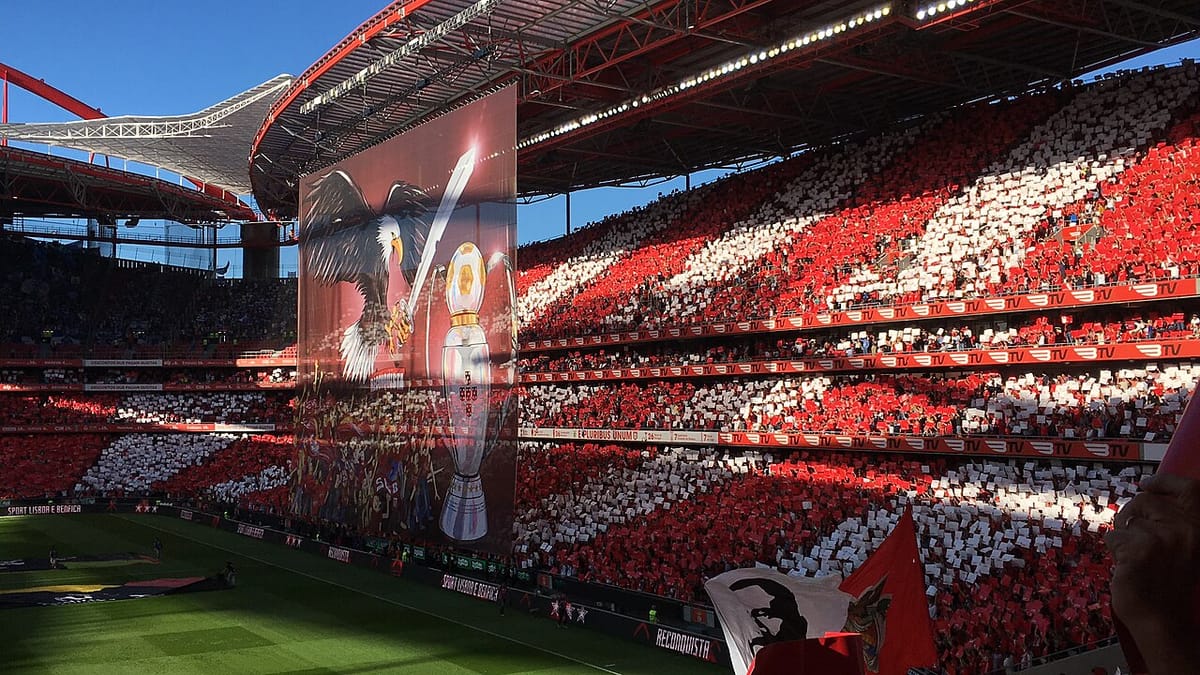
Benfica has taken the fight over how Portuguese football sells its television rights to the country's lawmakers, delivering a petition to the Assembleia da República (Assembly of the Republic, Portugal's parliament) that asks for the planned centralized-sale model to be suspended and independently reviewed.
The move, driven by club president Rui Costa, targets a reform that has been building for years and is due to reshape the finances of the entire league.
What “centralized sale” means
Today, each Portuguese club negotiates its own broadcast deal, which is why the giants — Benfica, FC Porto and Sporting — command far more than the rest. Under the venda centralizada (centralized sale) model, the Liga Portuguesa de Futebol Profissional (Portuguese Professional Football League, or LPFP) would instead package the rights of the first and second divisions and sell them collectively, then distribute the proceeds among clubs according to a set formula.
This is not a spur-of-the-moment idea. A 2021 decree-law mandated the shift, with the collective model set to take effect from the 2028/29 season. The league and the football federation are required to submit their proposed model to the Autoridade da Concorrência (Competition Authority) for approval. Estimates floated by the LPFP value the centralized rights at somewhere around €275–325 million in total — figures several clubs consider inflated.
Why Benfica objects
The logic of collective selling, used across much of Europe, is competitive balance: pooling the money narrows the gap between big and small clubs and keeps the league as a whole watchable. The logic of Benfica's objection is equally simple — a club with a national following and continental pedigree believes it can extract more by selling its own matches than by accepting a slice of a shared pot.
Rui Costa's petition frames the concern in economic and “patrimonial” terms — essentially, that the model risks devaluing the biggest brands and locking them into a distribution formula they had little hand in shaping. By routing the complaint through parliament rather than the courts or the league's own governance, Benfica is betting that political pressure can at least force a rethink before the 2028 deadline hardens.
The backdrop
The timing is pointed. Only this week, streaming platform DAZN confirmed it had bought the international rights to Liga Portugal for markets including Spain, Italy, Japan and Belgium, covering the 2026/27 and 2027/28 seasons — the last two campaigns before centralization is meant to kick in. That deal is a reminder of how much foreign appetite exists for Portuguese football, and of how high the stakes are in deciding who gets to bank it.
For fans, the abstract governance fight has a concrete end point: which platform they will need to subscribe to, and how much they will pay, to watch their team. For the league's smaller clubs, many of whom back the collective model precisely because it would lift their share, Benfica's petition reads less like a reform proposal and more like the biggest player trying to keep the biggest cut.