Portuguese Families Brace for a €100 to €250 Back-to-School Bill Per Child, and Most Expect Worse Next Year
A ConsumerChoice study finds 43% of parents expect to spend EUR 100 to EUR 250 per child on the return to classes, 83% think it will cost more than last year, and eight in ten will cut restaurants, leisure or holidays to pay for it.
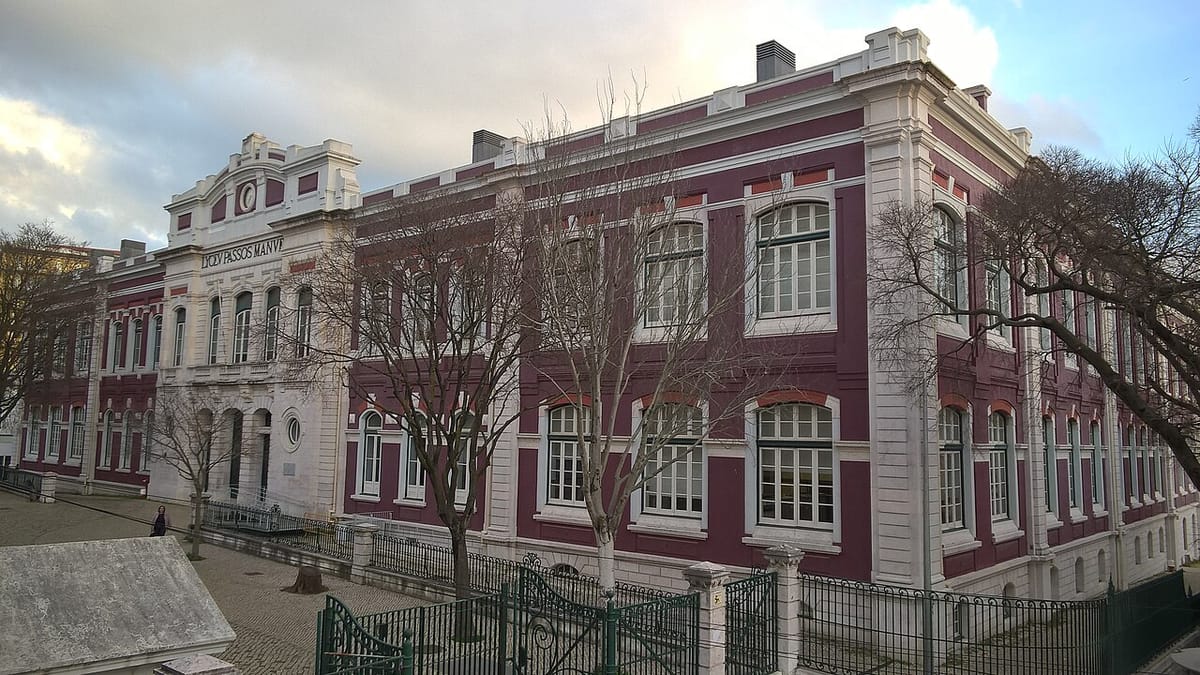
Portuguese schools go back in the middle of September, and most families have already worked out roughly what it will cost them. A study by ConsumerChoice, published on 20 August, finds that 43% of parents expect to spend between €100 and €250 per child on the return to classes, and only 10% expect to keep it under €100. A majority describe the period as one of the biggest expenses of their year.
What is striking is not the amount so much as the pessimism attached to it. 83% of respondents believe this September will cost more than last, and 86% expect the increases to keep coming in the years ahead. This is a household budget line that people have stopped assuming will ever get cheaper.
Where the money goes
Stationery dominates the list. Notebooks and notepads are the item most families expect to buy, cited by 73%, followed by pens and pencils at 57% and textbooks at 56%. Almost half, 49%, expect to spend on a computer or tablet, which is the line most likely to blow a budget in a single purchase and the one that has quietly moved from optional to assumed.
Families shop carefully: 86% compare prices before buying, and when asked what decides the purchase they split evenly between cost and quality, each cited by 39%.
Paid for by cutting something else
The clearest finding is what gives way. Eight in ten households, 80%, say they reduce spending elsewhere to cover the school bill. Restaurants take the largest hit, mentioned by 69%, followed by leisure at 50% and holidays at 48%. In other words, a €200 backpack of supplies is not absorbed; it is transferred out of the discretionary economy.
Asked to characterise the period, 34% called it a matter of family organisation and 24% described growing financial strain. Those are not contradictory answers. They are the two halves of the same September.
The wider squeeze
The findings sit on top of a cost picture that has improved without becoming comfortable. Inflation slowed to 3.0% in July, but pay is only just keeping ahead: wages grew 5.1% in the second quarter and left workers 1.8% better off in real terms. Housing is doing most of the damage, with rent now absorbing 82% of a typical salary on Idealista's calculations, and the weekly shop has stayed stubbornly expensive, with DECO's basket of 63 staples still above €253.
For newly arrived families
Parents enrolling children in Portugal for the first time should know that the school-supplies list comes from the individual school and usually appears in late August or early September, so the temptation to buy early can be expensive. Textbooks for public-school pupils are covered by the state's free-manuals scheme rather than bought outright: parents register on the MEGA platform at manuaisescolares.pt, or through the Edu Rede Escolar app, and collect vouchers to redeem at participating bookshops. That is why textbooks appear on barely more than half the shopping lists.
Staffing, at least, looks steadier than in recent years: the ministry has placed 20,404 teachers for September, though Lisbon, Setúbal and the Algarve remain the hardest regions to fill.