Portugal's Inflation Rate Slowed to 3.0% in July as Fuel and Fresh Food Prices Eased, INE Confirms
Portugal's headline inflation eased to 3.0% in July from 3.2% in June, INE confirmed on 12 August, as fuel costs fell and fresh-food inflation dropped to 3.7% from 5.1%. Core inflation edged up to 2.6%, and the harmonised rate held at 3.1% — still above the euro-area average.
Portugal's headline inflation rate eased to 3.0% in July, down from 3.2% in June, as falling fuel costs and a sharp slowdown in fresh-food prices took some pressure off household budgets. The figure, published by the Instituto Nacional de Estatística (Statistics Portugal, or INE) on 12 August, confirms the flash estimate released at the end of July and marks the lowest reading in several months.
The Índice de Preços no Consumidor (Consumer Price Index, or IPC) actually fell 0.5% between June and July — a normal seasonal dip driven by summer sales — while the rolling 12-month average held steady at 2.6%. The headline number remains above the European Central Bank's 2% target, but the direction of travel is downward.
What is pulling the rate down
- Energy: Energy prices were still 8.7% higher than a year earlier, but that is down from 9.1% in June, as recent falls at the fuel pump began feeding through.
- Unprocessed food: The biggest mover. Fresh food inflation dropped to 3.7%, from 5.1% the month before — a meaningful easing for anyone doing a weekly grocery shop.
- Core inflation: The underlying measure, which strips out volatile energy and unprocessed food, edged up slightly to 2.6% from 2.5%. That stickiness in services and processed goods is what keeps the overall rate from falling faster.
The harmonised index used for cross-country comparisons in the euro area, the IHPC (Harmonised Index of Consumer Prices), came in at 3.1%, unchanged from June — a reminder that Portugal is still running hotter than the euro-zone average.
The squeeze has not gone away
A cooling inflation rate is not the same as falling prices. Costs are still rising, just more slowly, and the cumulative effect of three years of elevated inflation continues to bite — especially in housing and services, where core inflation lingers. That gap between a moderating index and lived experience is one reason the rebound in incomes has felt uneven: the number of Portuguese earning over €3,000 a month has quadrupled since 2016, yet a third of workers still take home between €900 and €1,200. Construction is a case in point: building a new home cost 7.2% more in June than a year earlier, with wages now the main driver.
What This Means for Expats
- Pensioners and fixed incomes: Portugal's annual pension update is indexed partly to average inflation. A 12-month average holding at 2.6% points to a modest but positive adjustment in 2027 — relevant given the parallel shift to a full-career pension formula that is cutting new pensions.
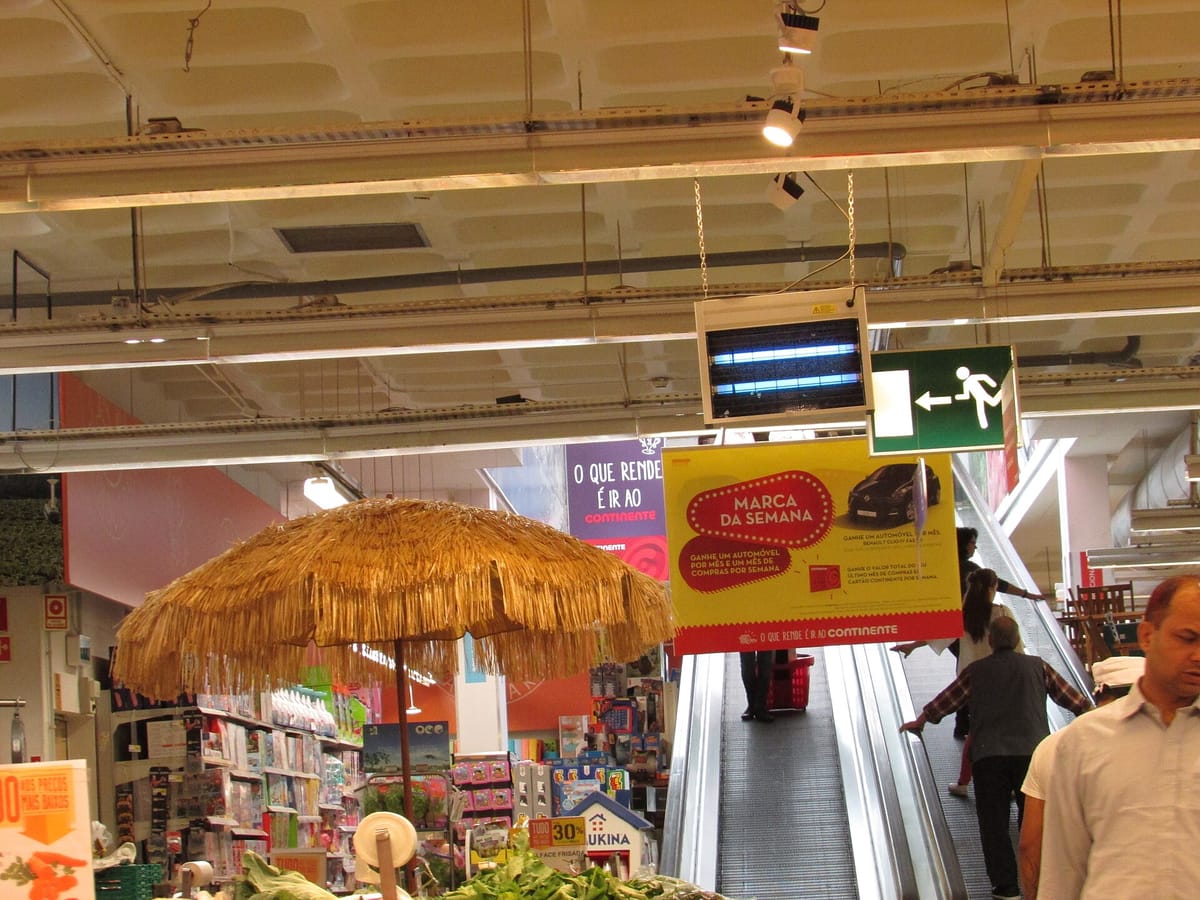
- Grocery bills: The fresh-food slowdown is the most tangible relief. If you shop the weekly markets, expect the worst of the produce and fish price spikes to keep receding through the late summer harvest.
- Fuel and driving: Pump prices have been trending down; that easing is only partly reflected in July's data and should show up more fully next month.
- Rents and services: Core inflation is where the stubbornness lives. Do not expect the slowdown in the headline number to translate into cheaper rent, dining out or personal services any time soon.
For the Bank of Portugal and the ECB, July's reading is another data point suggesting the disinflation is real but slow. For households, it is a signal that the cost-of-living emergency is fading at the margins — even if the price level itself is not going anywhere.