Building a New Home Cost 7.2% More in June as Wages Overtake Materials as the Main Driver
New-home construction costs rose 7.2% year-on-year in June, the fastest pace of 2026, INE data show. Labour climbed 8.0% and now adds more to the bill than materials (up 6.5%), pushing the floor under Portugal's record house prices even higher.
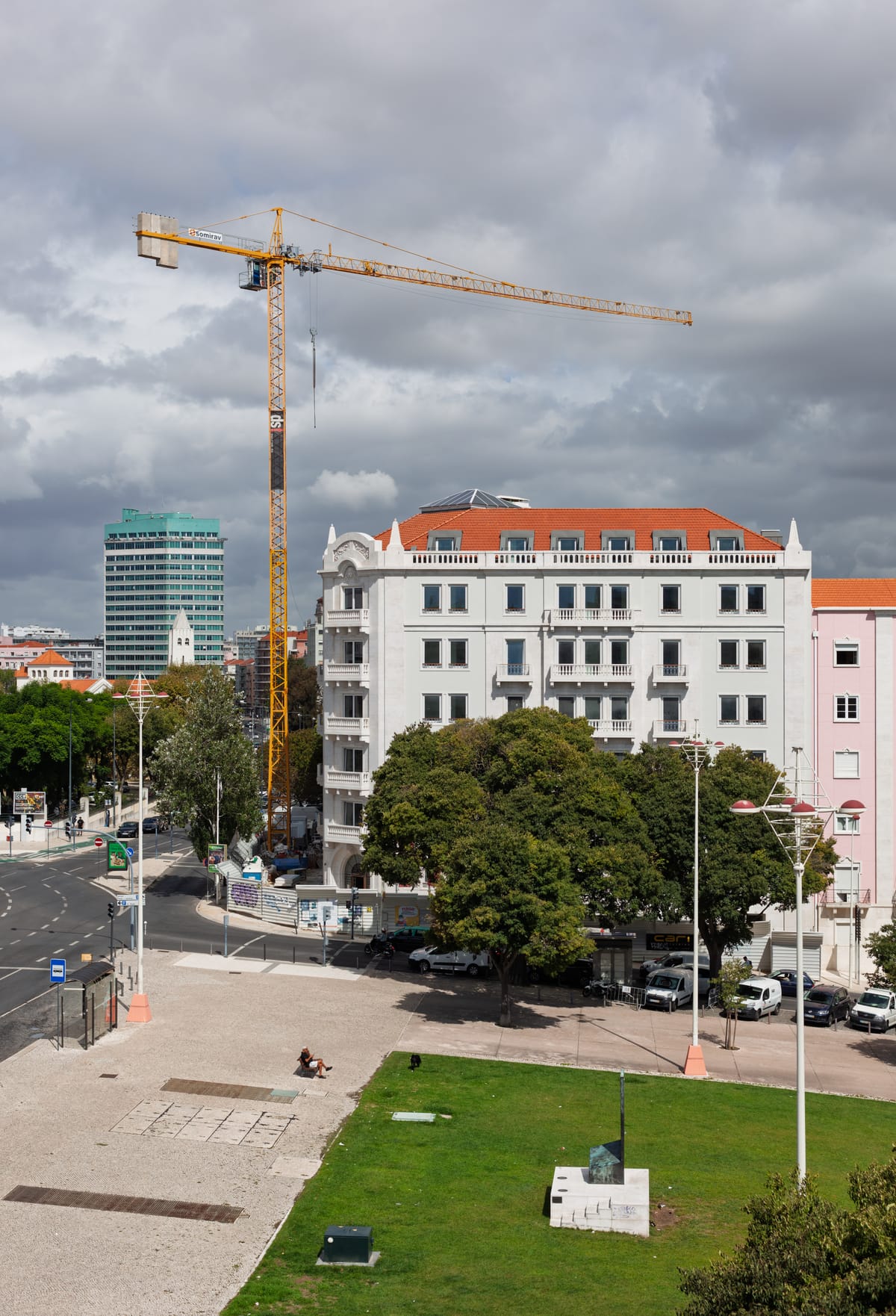
Building a new home in Portugal keeps getting more expensive, and the squeeze is coming increasingly from wages rather than materials. New figures from the national statistics institute INE (Instituto Nacional de Estatística) show that the cost of constructing new housing rose 7.2% in June compared with a year earlier — the steepest annual pace so far in 2026, and a marked acceleration from where the year began.
What the numbers show
- Overall: the New Housing Construction Cost Index (Índice de Custos de Construção de Habitação Nova, ICCHN) climbed 7.2% year-on-year in June.
- Labour: the cost of labour rose 8.0% and contributed 3.7 percentage points to the total increase.
- Materials: material prices rose 6.5% — up slightly from 6.4% the month before — contributing 3.5 percentage points.
The steady drift upward is the real story. The index rose 3.7% in January, 5.8% in March and 5.9% in April before reaching 7.2% in June. For all of 2025 the average increase was around 4%. In other words, the cost of building is not just high — it is accelerating, and the balance has tipped so that labour now adds slightly more to the bill than materials do.
Why labour is the pressure point
Portugal's construction sector has spent years short of workers. An ageing workforce, emigration of skilled tradespeople and strong competition for labour from a booming tourism-driven building pipeline have all pushed wages up faster than the price of cement or steel. Because these costs feed directly into the price of finished homes, they land on top of a market where prices were already at records: Portuguese house prices jumped 17.6% in 2025, the sharpest annual rise ever recorded, and have kept setting new highs into 2026.
Rising construction costs also help explain why supply has been so slow to respond to demand. When it costs more to build, marginal projects get delayed or shelved, and developers pass what they can onto buyers. That dynamic is showing up in sentiment as well: estate-agent confidence recently slipped to its lowest since 2024, with the rental market flagged as the biggest worry.
What this means for residents
- New-build prices are unlikely to ease soon. With labour costs still climbing, the floor under new-home prices is rising, not falling — bad news for anyone hoping construction would finally outpace demand.
- Renovations cost more too. The same wage pressures that hit new builds feed into quotes for remodelling older properties, a common route for newcomers buying to restore.
- It reinforces the affordability squeeze. Higher build costs make it harder to add the housing that would relax prices and rents, keeping pressure on a market already stretched by record per-square-metre values.
For a country whose housing crisis has become its defining political issue, the ICCHN is an unglamorous but telling gauge. As long as it keeps climbing — driven now by the people who do the building as much as the things they build with — the arithmetic of putting up affordable homes only gets harder.