Portugal Married More Couples in 2025 Than in Any Year Since 2010, Four in Five of Them at a Register Office
Portugal saw more weddings in 2025 than in any year since 2010, the Instituto Nacional de Estatística (INE, Statistics Portugal) has reported — a modest but clear rebound that public broadcaster RTP flagged at the weekend as a “record.”...
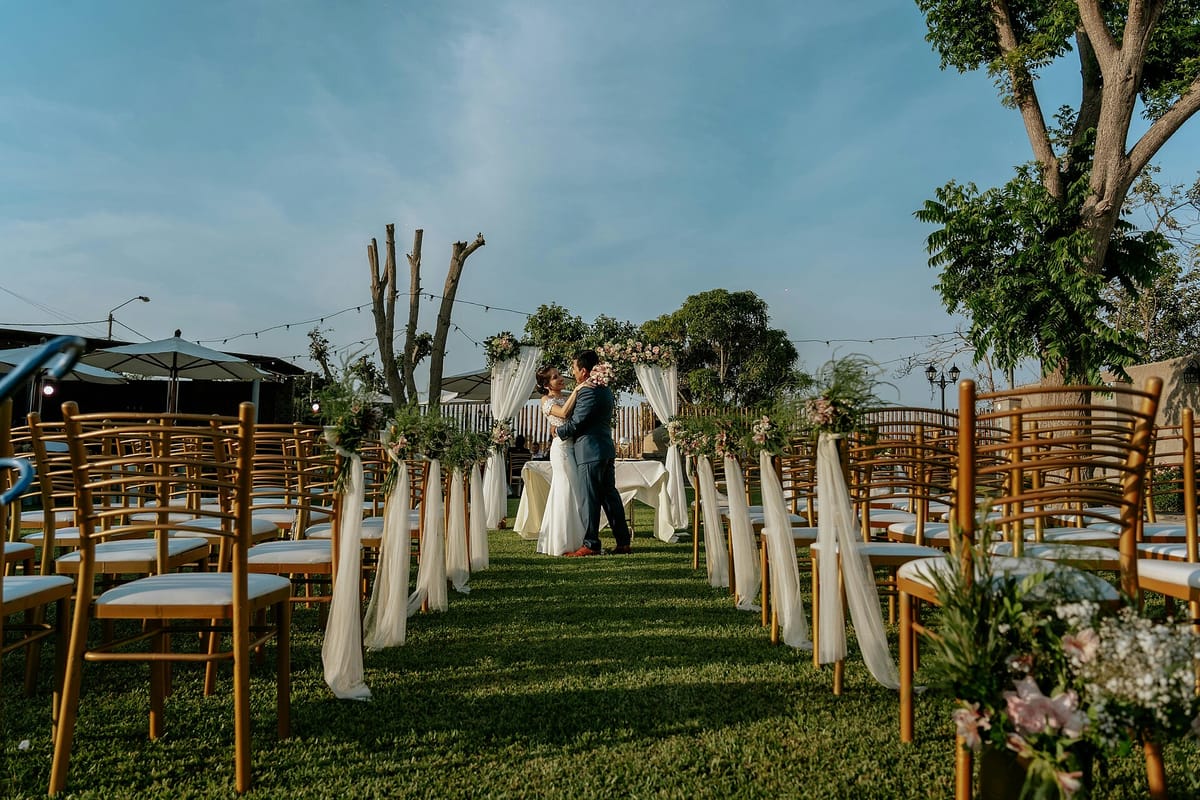
Portugal saw more weddings in 2025 than in any year since 2010, the Instituto Nacional de Estatística (INE, Statistics Portugal) has reported — a modest but clear rebound that public broadcaster RTP flagged at the weekend as a “record.”
About 37,700 couples married during the year, up roughly 1,080 on 2024, a gain of some 2.9%. It is the highest annual count in a decade and a half: the total had not crossed the 37,000 mark in any year since 2010, when just under 40,000 marriages were registered. The 2025 figure comprised around 36,650 marriages between people of different sexes and about 1,060 between people of the same sex.
The “record” label needs a caveat. Portugal is not marrying at historic highs — in the 1970s and 1980s the country routinely logged more than 70,000 weddings a year. What 2025 marks is the best result of the post-2010 era, after more than a decade in which marriage steadily lost ground to cohabitation, later partnerships and a shrinking pool of young adults.
Same-sex marriage, legal in Portugal since 2010, continues its slow climb, edging up from about 1,044 unions in 2024 to roughly 1,063 in 2025. It still accounts for under 3% of the total, with the highest shares in Greater Lisbon and Madeira.
The wider picture, drawn from INE’s most recent detailed breakdown (for 2024), shows how much the institution has changed. Roughly four in five opposite-sex couples — about 79.7% — married in a civil ceremony at a Conservatória do Registo Civil (Civil Registry Office) rather than in church; Catholic weddings have fallen to under 20%. The typical newly-weds are also older than ever: the average age at a first marriage in 2024 was 35.8 for men and 34.3 for women, among the latest in the European Union.
Marriage in Portugal is also increasingly international. In each of the last two reported years, more than 5,000 weddings joined a Portuguese national to a foreign one, and more than half of those partners were Brazilian, according to figures reported by the daily Público. The trend tracks a decade of strong immigration that has reshaped the country’s demographics — and it sits alongside a separate rise in fraud investigations, with the Polícia Judiciária (Judiciary Police) opening 177 new marriage-of-convenience cases in 2025.
Durability is another matter. For every 100 marriages, roughly 33 end in divorce, one of the higher ratios in Europe, so the 2025 uptick says more about couples choosing to marry than about marriages lasting.
The rebound fits a broader, cautiously positive demographic read. INE has reported that births rose about 3% in 2025 — with roughly a third of babies born to foreign mothers — nudging up a country that has spent years worrying about depopulation and one of the world’s lowest fertility rates. The natural balance, births minus deaths, remains negative, so immigration is still doing the heavy lifting on population.
For the many foreign residents building a life in Portugal, the numbers are a reminder that the register office, not the church, is now where most couples say their vows — and that the paperwork, from the certificado de capacidade matrimonial (certificate of matrimonial capacity) to the choice of property regime, follows the same civil track whoever you are. For anyone working through the Portuguese civil registry, our 2026 guide to changing your name in Portugal: the six-word limit, the 200 euro process decided by the conservador dos Registos Centrais, the seven changes that need no permission, and what marriage and divorce do to surnames sets the latest reference. On what the civil register will and will not let you be called, how a name is composed and changed in the Portuguese register sets out the six-vocable rule in Article 103 of the Codigo do Registo Civil, when a foreign given name may keep its original spelling, which changes are free because they follow a change in status, and the 200 euro special process for everything else.