Changing Your Name in Portugal
Researched and written with AI tools from official sources. How we make our guides
Which name changes are free, when you need the €200 special process, how marriage and divorce affect surnames, and what foreign residents do instead.
Last verified: October 2026.
Who this is for
- You are a Portuguese citizen, by birth or naturalisation, and want to change the name on your birth record.
- You are marrying, divorcing, or widowed and want to know what happens to your surnames.
- You are a foreign resident and want to know where a name change is done.
Not for you if: you are registering a newborn and choosing a name for the first time. Read Registering a Birth in Portugal instead.
If you are Portuguese, your name is fixed in your birth record. Some changes are free and are simply noted on the record when you ask: those that follow marriage, divorce, adoption, a correction, or adding or removing small linking words like "de" or "da". Any other change needs the special name change process (processo de alteração de nome). It costs €200, and the head of the Central Registry Office (Conservatória dos Registos Centrais) decides. No decision deadline is published. If you are not Portuguese, you change your name under your own country's law.
The rules for a Portuguese name
The Civil Registry Code sets the rules when a name is first registered. They matter later, because any change must still fit them.
- A full name has at most six words: up to two given names and up to four surnames.
- Given names must be Portuguese, or adapted to Portuguese spelling and sound. They should not leave doubt about the person's sex.
- Foreign given names are allowed in their original form if the person is foreign, was born abroad, or has another nationality besides Portuguese.
- They are also allowed if either parent is foreign or has another nationality.
- Brothers and sisters cannot have the same given name, unless one of them has died.
- Surnames come from one or both parents, or from surnames a parent has a right to use.
When there is doubt about a name, the Central Registry Office settles it. The registry service (IRN) keeps a list of given names that have been admitted and refused. Check it first if you have an unusual name in mind.
Changes that are free
These changes do not need permission. They are recorded as a note (averbamento) on your birth record when you ask. The IRN says they have no cost.
- A change after parentage is established, after an adoption (or its review or revocation), or after a marriage that took place after your birth was registered.
- A change that results from correcting a registry error.
- Adding or removing linking words (such as "de", "da", "dos", or "e") between the words of your name.
- Adding surnames, if your birth record shows only a given name.
- Giving up surnames you took on marriage, and in general losing the right to a name.
- Taking the name your parents first wanted, if your birth was registered while a name consultation was still pending. You must ask within six months of being told the name was accepted.
- A change of given name that follows a change of the sex recorded in the register.
You can ask in writing or in person. If you ask in person, the registry writes it down. When someone loses the right to a name, the registry makes the note itself.
The special process for other changes
If your change is not on the free list, you need the special name change process. The law says only the head of the Central Registry Office can authorise it. It is not a court case.
Who can apply. Anyone can ask to change their own name. For a child under 16, both parents must apply, or one parent with the other's agreement. This applies even when a court has set parental responsibilities.
What to send:
- a written request explaining why you want to change your name;
- your criminal record certificate, if you are 16 or older. See Getting a Criminal Record Certificate in Portugal.
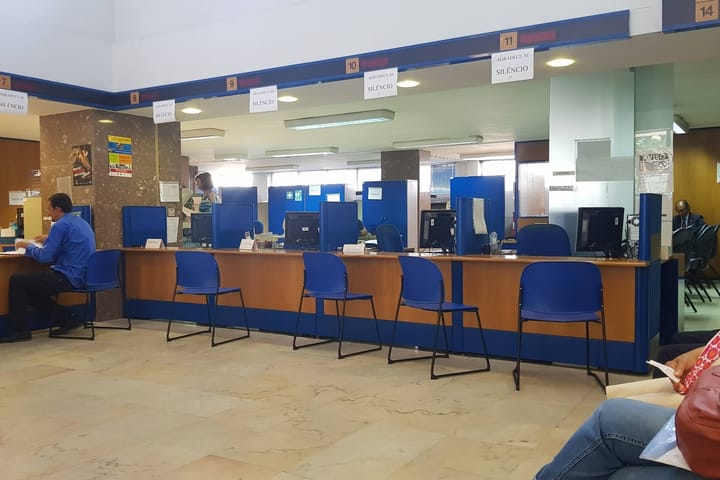
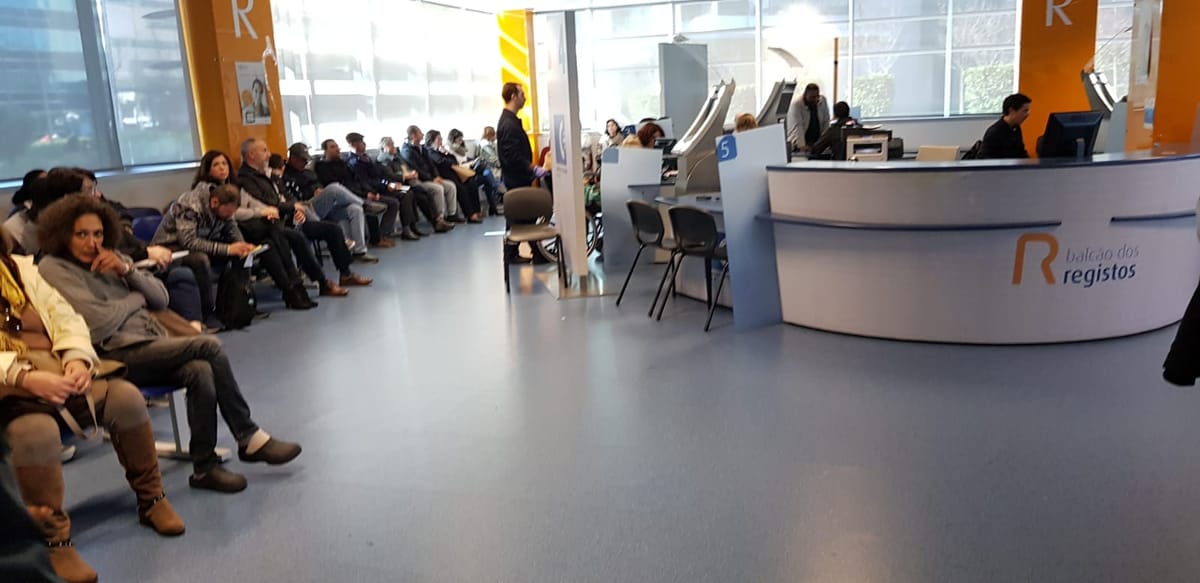
Where to apply. At any civil registry office (Registo Civil). For questions, call the Registos line on 211 950 500.
What it costs. €200.
How long it takes. No deadline for the decision is published, either in the law or by the IRN.
What happens next. Once the change is authorised, your name is changed in the civil register. Your other civil records are updated too, and so are those of your spouse and your children.
Before you pay €200
The law gives no list of reasons that will be accepted. Before you apply:
- Check whether your change is on the free list above.
- If it is not, consider a name consultation (consulta de nome) first. It costs €50, or €75 if it needs a formal opinion on the name. It tells you whether a name is admissible.
If you withdraw or fail to complete a process for reasons that are your fault, you pay half the fee. That rule does not cover a refusal.
Marriage, divorce, and widowhood
Marriage. Nobody's name changes automatically. Each spouse keeps their own surnames and may add up to two of the other's. Adding them is free, because it follows a marriage.
Widowhood. If you added your spouse's surnames, you keep them when widowed. If you remarry, you can keep them too, as long as you declare this to the registrar during your new marriage process.
Legal separation. Each spouse keeps any surnames taken from the other.
Divorce. You can keep your former spouse's surnames only if they agree or a court allows it. Your former spouse can agree in one of these ways:
- a notarial or authenticated document;
- a statement made in court;
- a declaration to the civil registry officer.
You can ask the court to allow it during the divorce, or in a separate case, even after the divorce is final. The registry procedure to authorise the use of a former spouse's surnames costs €75.
Losing the right to use the surnames. After a death, a legal separation, or a divorce, a court can stop someone using the other spouse's surnames. This happens when the use seriously harms the moral interests of the other spouse or their family. After a separation or divorce, the other spouse asks. After a death, the deceased's children, parents, or siblings ask. The registry procedure costs €75.
Giving up married surnames is on the free list. For the divorce process itself, see Getting Divorced in Portugal.
Changing the sex and given name in the register
A separate procedure lets you change the sex recorded in the civil register and your given name. It is free.
Who can apply:
- Portuguese citizens aged 18 or over;
- people aged 16 or 17, through their legal representatives;
- adults under the accompanied adult regime (maior acompanhado), unless a court has said they cannot make this change.
How to apply:
- Go to any civil registry office.
- Hand in a written request on the form for adults or for 16 and 17 year olds.
- Give your Citizen Card number and your new given name.
If you are 16 or 17, you also need a report from a doctor or psychologist registered with their professional order. It must only confirm your ability to decide and your informed wish. It must not mention any gender identity diagnosis. You must also give your free and informed consent in front of a registrar.
Afterwards. You have 30 days after the registration to update your Citizen Card. Adult children can ask for their own birth records to be updated. For children under 18, both parents ask. If you live abroad, you can apply at your consulate, which sends the papers to a civil registry office in Portugal.
After the change: updating your documents
The change goes on your birth record first. The registry tells the identification service. You still need to update everything else yourself.
- Get a new birth certificate. A registry certificate costs €20. Other bodies will ask to see it.
- Renew your Citizen Card. See Renewing Your Citizen Card (Cartão de Cidadão).
- Update your passport and driving licence, and the registration of any car in your name.
- Update the land registry for any property you own.
- Check your tax and social security records. Confirm the new name appears with the tax office (Finanças) and Segurança Social.
- Tell everyone else: your bank, insurers, employer, professional body, utilities, and schools.
If you need a Portuguese document in your new name to be used abroad, it may need an apostille. See Getting an Apostille or Consular Legalisation.
If you are a foreign resident
Portuguese civil registry law covers Portuguese records. If you are not Portuguese, your name is not in a Portuguese birth record. Under the Civil Code, your personal law is the law of your nationality.
So if you are a foreign citizen, you change your name under your own country's rules. You usually do this through your consulate or your home authorities. Then you bring the new document to Portugal and update your records here:
- your residence permit, with AIMA;
- your tax number record, with Finanças;
- your social security record;
- your driving licence, if you exchanged it for a Portuguese one;
- any property registration.
A foreign document normally needs a translation and an apostille or consular legalisation. See Getting a Certified Translation in Portugal.
Whatever your nationality, the Civil Code gives you the right to use your name in Portugal, in full or shortened. You can also object to someone else using it unlawfully.
If you have just become Portuguese
Becoming Portuguese does not force you to adapt your name, and it does not let you redesign it freely.
Your name enters Portuguese law when your foreign birth record is transcribed into the Portuguese register. The rules allow foreign given names in their original form if you were born abroad or hold another nationality. That covers most people who naturalise.
Once your Portuguese record exists, any later change falls under the €200 special process, unless it is on the free list. If you want something adjusted, raise it with the registry before your record is drawn up. A €50 name consultation can tell you if a name is admissible. For the citizenship process, see Getting Portuguese Citizenship by Naturalisation.
What it costs
| Service | Fee |
|---|---|
| Changes on the free list (marriage, divorce, adoption, corrections, linking words) | Free |
| Special name change process | €200 |
| Name consultation | €50 |
| Name consultation with a formal opinion | €75 |
| Authorising use of a former spouse's surnames after divorce | €75 |
| Stopping a spouse using the other's surnames | €75 |
| Change of recorded sex and given name | Free |
| Registry certificate | €20 |
| Withdrawing or not completing a process through your own fault | Half the fee |
This guide is general information, not legal advice. Rules change often; check the official source before you act.
Sources
This guide is written from official sources and, where relevant, organisations' own websites.
- IRN, Alteração do nome no registo de nascimento (updated 10 August 2026): https://irn.justica.gov.pt/Servicos/Cidadao/Nascimento/Alteracao-do-nome-no-registo-de-nascimento (situations that allow a change, written request, criminal record certificate from 16, both parents for under 16s, any civil registry office, related records updated, free changes, €200 special process, Registos line 211 950 500), checked 2 October 2026
- IRN, Custos dos serviços, Regulamento Emolumentar dos Registos e Notariado: https://irn.justica.gov.pt/Custos-dos-servicos (€200 name change process, €75 and €75 surname procedures, half fee on withdrawal, €20 registry certificate, €50 and €75 name consultation, free sex and given name change; legal basis Decreto-Lei n.º 322-A/2001), checked 2 October 2026
- Ministry of Justice, Mudança de sexo e de nome próprio: https://justica.gov.pt/Registos/Civil/Mudanca-de-sexo-e-de-nome-proprio (who can apply, forms, Citizen Card number and new name, medical report rules for 16 and 17, consent before a registrar, 30 days for the Citizen Card, children's records, free, any registry, consulate route; legal basis Lei n.º 38/2018), checked 2 October 2026
- Procuradoria-Geral Distrital de Lisboa, Código do Registo Civil (Decreto-Lei n.º 131/95), consolidated: https://www.pgdlisboa.pt/leis/lei_mostra_articulado.php?nid=682&tabela=leis (article 103, six words and composition rules; article 104, authorisation by the head of the Central Registry Office, exceptions, six-month deadline, divorce and widowhood notes, communication to the identification service), checked 2 October 2026
- Procuradoria-Geral Distrital de Lisboa, Código Civil, consolidated: https://www.pgdlisboa.pt/leis/lei_mostra_articulado.php?nid=775&tabela=leis (article 31, personal law is the law of nationality; article 72, right to a name; articles 1677 to 1677-C, spouses' surnames, widowhood, divorce, and loss of the right to use them), checked 2 October 2026
Last verified October 2026. Rules and fees change; check the official source before acting.