Porto Takes the First Step Toward a Higher Tourist Tax on Tuesday, and the Mayor Has Already Named 4 Euros a Night
Porto's council votes on Tuesday to start revising its tourist tax. The proposal names no figure, but Pedro Duarte has said 4 euros a night, up from 3. The tax raised 32.3 million euros in 2025, up 54.5 percent.
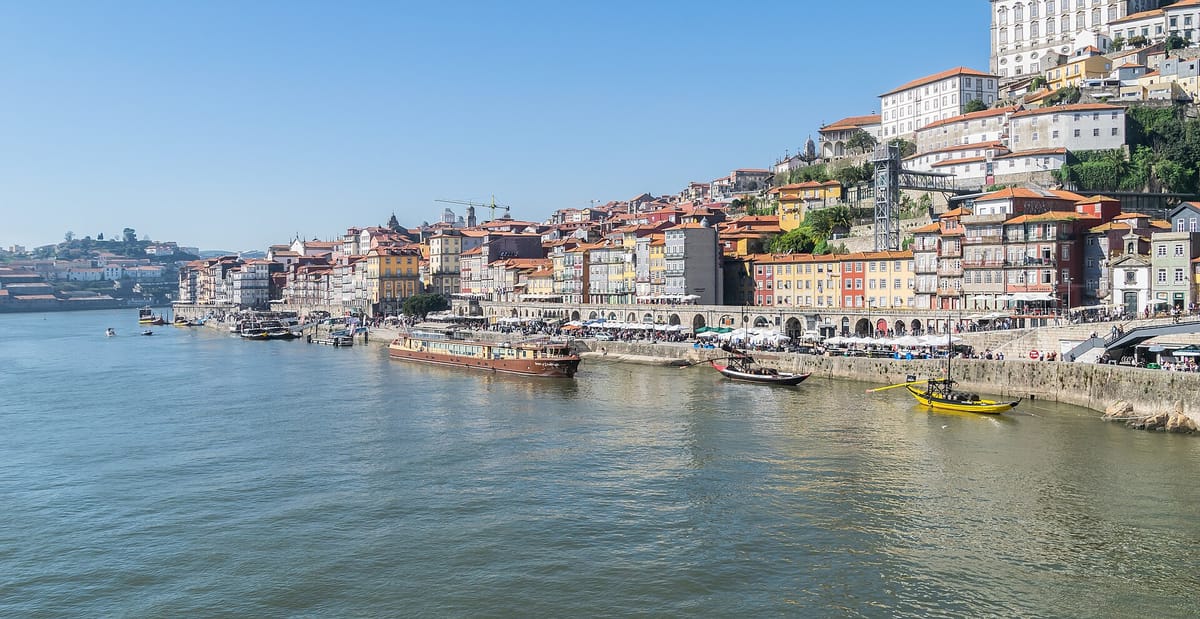
Porto's council will vote on Tuesday to start rewriting the rules of its Taxa Municipal Turística (municipal tourist tax), the first formal step towards a rise that Mayor Pedro Duarte has been talking about since before he was elected.
The proposal, which Lusa saw on Friday, contains no figures. It asks the council to open the administrative procedure to amend the tax regulation, to publish the decision on the council's website and to give interested parties 10 working days to come forward, with channels set up to receive contributions. The rate today is 3 euros a night.
What the mayor has said
The number has been in the air for months. On 10 July, when free public transport for Porto residents was announced, Duarte said he was prepared to raise the tax to "Lisbon's values", which Lusa takes to mean 4 euros a night. He had told Lusa the same in March, linking the extra money to the cost of the free travel scheme, which has proved more popular than planned: the city had issued 100,000 cards by early September against a model that assumed 59,381 users.
He went further when he launched his candidacy on 25 June 2025. "I do not rule out the possibility, in subsequent years, if we see there is a need to filter tourism in the city, and on the other hand if we need more revenue to fund this free transport measure, of raising it by up to one more euro, so up to five euros," he said then.
Going from 3 euros to 4 is a rise of a third on every taxable night. The last change came in 2024, when the rate went from 2 euros to 3; the tax itself dates from 2018.
The numbers behind the proposal
The tax raised 32.3 million euros in 2025, up 54.5 percent on the 20.9 million collected in 2024. Part of that jump reflects the higher rate, and part reflects more visitors. According to the proposal, overnight stays in the city rose 45.6 percent between 2019 and 2025, to more than 6.6 million, and the number of guests rose 37.2 percent, to more than 3 million. The average stay lengthened from about 2.04 nights to 2.16. In the first half of 2026, overnight stays grew another 4.48 percent and guests 3.53 percent on the same period last year.
That growth, the council argues, puts "increasing pressure" on public facilities, streets and urban space, and calls for continued spending on security, cleaning, maintenance, mobility, culture and heritage. The proposal says the city does not want "to build a city for visitors parallel to the city of residents", and that the tax should be seen "not only as an instrument of a financial nature, but also as a mechanism integrated into urban policy".
Tourists, "national and international", should keep contributing "fairly and proportionally" to the infrastructure and services they use, Duarte says, so that the costs of the "tourist footprint" are shared out fairly.
Not the only city moving
Porto would not be alone. Coimbra moved in July to double its rate to 2 euros a night, and tourist taxes were already one of the reasons municipal surpluses swelled last year. Tuesday's vote only opens the procedure. The proposal does not say what the new rate will be or when it would apply; those decisions come later.