Coimbra Prepares to Double Its Tourist Tax to €2 a Night to Cover Visitor Costs
Coimbra's council is set to vote on Monday to double its municipal tourist tax from €1 to €2 per person per night. The city calculates each overnight stay costs it about €3.49 in services and infrastructure, against €726,000 raised by the levy in 2025, and says the higher rate still falls short of t
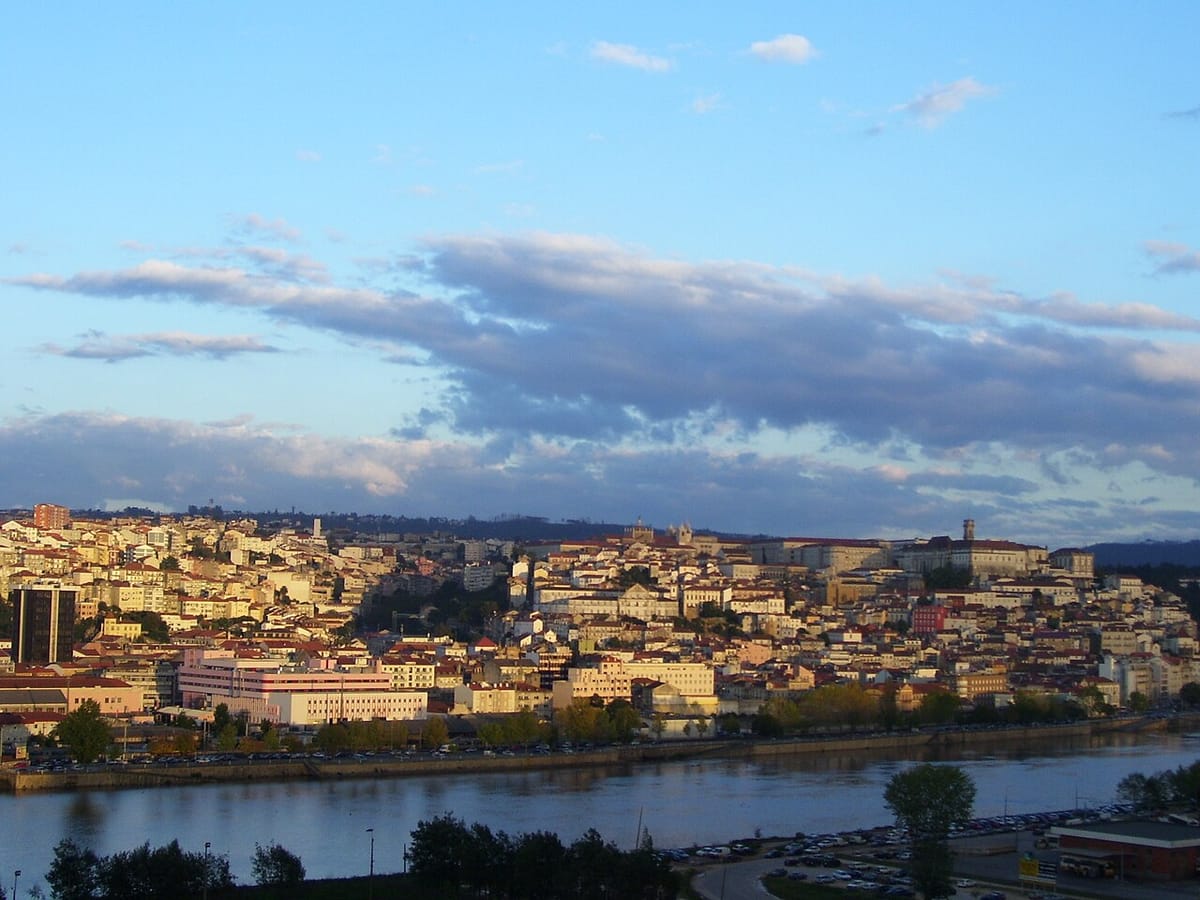
Visitors to Coimbra will soon pay twice as much for the privilege of spending the night. The city council is preparing to double its municipal tourist tax (taxa turística) from €1 to €2 per person per night, with the measure heading to a vote at a council meeting expected on Monday, 21 July. If approved — and the governing coalition has the numbers — the higher levy would make Coimbra one of a growing number of Portuguese cities charging €2 or more a night.
The tax applies to guests staying in hotels and other tourist accommodation in the historic university city on the Mondego river, and is typically capped at a set number of nights per stay. Coimbra first introduced the charge in 2022 under a previous administration; at the time, the Socialist Party (Partido Socialista, or PS) and others either voted against it or abstained. The proposal to double it now comes from the current “Avançar Coimbra” coalition, which groups the PS with the Livre and PAN parties.
The council's case rests on arithmetic. Officials calculate that each tourist overnight stay costs the municipality roughly €3.49 once the burden on local services and infrastructure is counted — some €1.9 million in direct costs and a further €2.4 million in indirect expenses across the year. Against that, the tax raised about €726,000 in 2025. Even at €2 a night, the council argues, the levy would still fall short of the true cost that visitors impose on the city, from waste collection and street cleaning to the wear on its UNESCO-listed core.
Coimbra's pull is considerable for a city of its size. Its 700-year-old university, one of the oldest in continuous operation in Europe and a UNESCO World Heritage site, draws day-trippers and tour groups year-round, while the summer brings a heavier flow of overnight guests. Like Lisbon and Porto before it, the city is wrestling with how to fund the upkeep of a compact, heavily walked historic centre without loading the bill onto residents.
Tourist taxes have spread rapidly across Portugal over the past decade, from the Algarve's coastal municipalities to the northern cities, as town halls look for a revenue stream that tracks visitor numbers rather than local pockets. Supporters frame them as a fair way to make tourism pay its way; critics in the hospitality sector warn that a patchwork of differing rates confuses travellers and nibbles at competitiveness, particularly for shorter city breaks where a per-night charge is proportionally larger.
For most visitors, the practical impact is modest — an extra euro a night on a stay that already runs to tens or hundreds of euros. But the symbolism matters to a council keen to show it is managing tourism's costs rather than simply banking its benefits. If Monday's vote goes as expected, the new rate would take effect once the deliberation is formally published, giving accommodation providers a short window to update their billing before the €2 charge starts appearing on guests' bills. Update: in October 2026, Funchal proposed doubling its tourist tax to 4 euros a night from January 2027, with cruise passengers also paying 4 euros. Update: in October 2026 Loures raised its tourist tax to 2.50 euros a night payable at check-in from late November.