Loures Lifts Its Tourist Tax From 1.50 to 2.50 Euros a Night From Late November, and Guests Will Pay It at Check-In
The council north of Lisbon that takes in Sacavém and Moscavide will charge 2.50 euros a night per guest aged 13 and over, for up to seven nights, from about 20 November. Who is exempt, the switch to payment at check-in, and how the council set the rate.
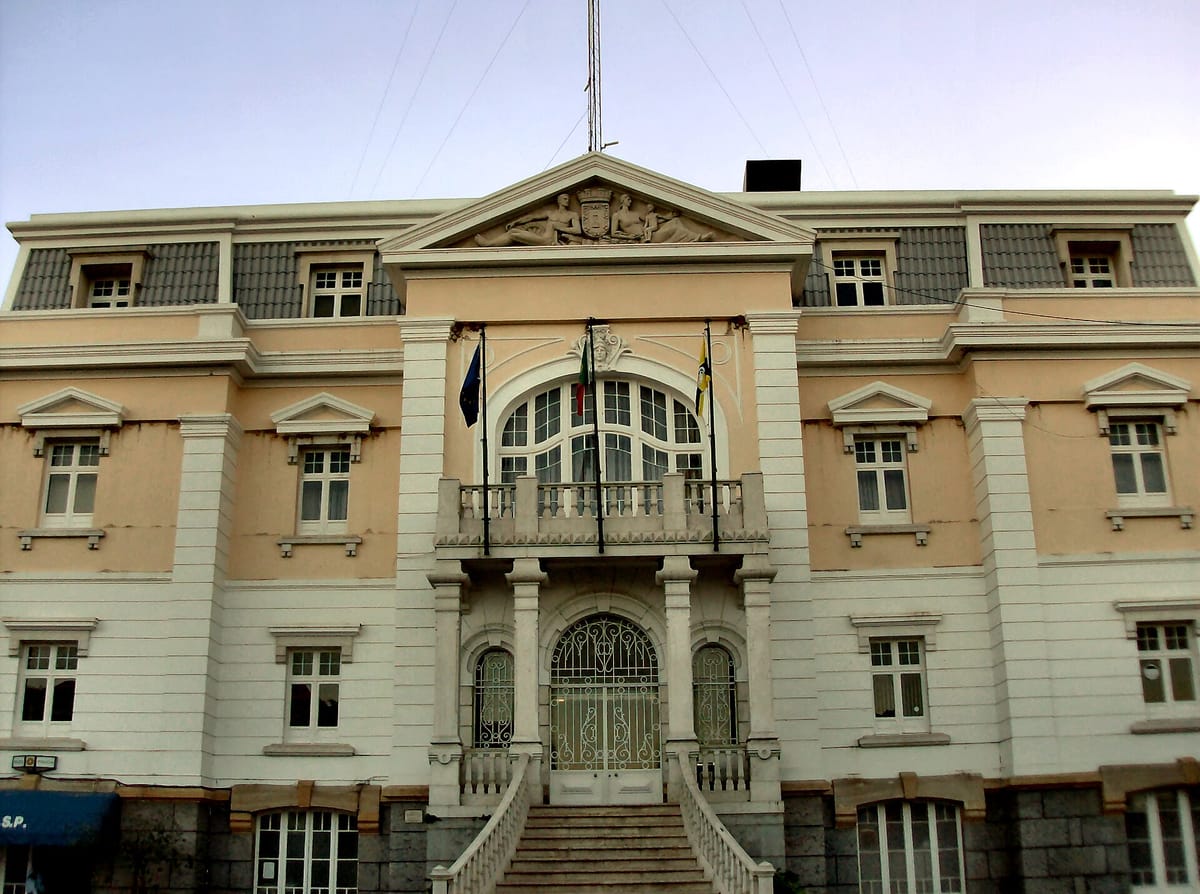
Anyone paying for a night in a hotel or short-let flat in Loures, the municipality on Lisbon's northern edge that takes in Sacavém, Moscavide and the riverside next to the Parque das Nações, will pay a tourist tax of 2.50 euros a night from late November, up from 1.50 euros. The change was published in the Diário da República (the official gazette) on 21 October and takes effect 30 days later, which puts the start at about 20 November.
The amendment, Aviso n.º 26074/2026/2, is the first change to the Regulamento da Taxa Municipal Turística de Loures (Loures Municipal Tourist Tax Regulation) since the tax was created in 2024. The council approved it on 3 September and the municipal assembly on 24 September, after a public consultation in June and July that, the notice says, drew no comments at all.
Who pays, and for how long
The rules on who pays are unchanged. The tax applies to:
- paid stays in hotels and other tourist accommodation, and in alojamento local (registered short-term lets), anywhere in the municipality, however the stay was booked;
- each guest aged 13 or over, counting from the 13th birthday itself, whatever their nationality or where they live, with age shown by an identity document;
- up to seven consecutive nights per person and per stay, so the most one guest pays for a single stay rises from 10.50 euros to 17.50 euros.
Because the tax follows the person, not the purpose of the trip, residents of Portugal staying overnight in Loures pay it too, unless an exemption applies.
The exemptions
Six groups are exempt, as before:
- guests staying for a medical appointment, test or treatment, plus one companion, with proof of the booking or treatment;
- people with a disability of 60 percent or more, plus one companion, with proof (in practice, the Atestado Médico de Incapacidade Multiúsos, the multi-purpose disability certificate; our guide to the certificate explains how to get one);
- people staying because they have been evicted or similarly displaced from their home, with proof;
- people placed temporarily in accommodation by public social services, national or municipal;
- people displaced from their own country by conflict and living temporarily in Portugal, with proof from the responsible services;
- guests whose stay is given free by the hotel or host, with proof of the offer.
An exemption is not automatic: the regulation asks for the document in each case, so bring it to the desk.
What else changes: pay at check-in
Under the 2024 rules a hotel or host could collect the tax at the start, during or at the end of a stay, as it chose. From late November the regulation says the tax is due at check-in, in one payment. Where the council has an agreement with a booking platform, the tax is due when the booking is made on that platform instead.
The amendment also removes the 2.5 percent commission that hotels and hosts were paid for collecting the tax, and the monthly or quarterly declarations they had to file. The council says its electronic platform, now fully running, handles collection and reporting; operators whose systems are not yet linked to it must report what they collected through the platform by the 15th of the following month. The fines for operators are rewritten too: failing to charge the tax at all now carries a fine of 500 to 10,000 euros for an individual and 1,000 to 20,000 euros for a company, and giving false or inaccurate figures 250 to 5,000 euros and 500 to 10,000 euros. The fines fall on the operator, not the guest.
How the council reached 2.50 euros
Portuguese councils must justify a tax with an economic study, and Loures's is published with the amendment. It counts 297,360 nights spent in tourist accommodation in the municipality in 2024 (Instituto Nacional de Estatística, or INE, figures), against a resident population of 209,877, which works out at about 815 tourists sleeping in Loures on an average night.
It puts the council's tourism-related spending at about 1.77 million euros a year: 383,000 euros budgeted directly for tourism in 2026, plus a share of its other spending matching tourists' weight among the people using the municipality each day. Divided by the year's tourist nights, that is a cost of 5.94 euros a night, which the council reduces with two coefficients (one for the benefit to the visitor, one it uses to encourage or discourage an activity) to arrive at 2.50 euros.
The justification cites rising numbers of hotels and overnight stays, "given the easy access to the airport and the proximity of the Expo area", and the extra costs they bring for policing, street cleaning, upkeep of public spaces and signage.
Part of a wider round of rises
Loures is one of several councils raising the charge this autumn. We reported in October that Funchal proposes doubling its tourist tax to 4 euros a night and, in September, that Porto had started the process for a higher rate. Further out, the council of Madalena, on Pico in the Azores, opened a 30-day public consultation in the same 21 October gazette on a proposal to create a tourist tax of its own. The gazette notice gives no rate; the draft is available at the council's offices and on its website, and written suggestions go to the mayor within 30 days of 21 October.
The full amended regulation, with the economic study and the reasons for each exemption, is in the Diário da República under Aviso n.º 26074/2026/2. Loures council's website had no page on the tourist tax or the new rate when we checked on 22 October.