Brazil's Tax Reform Pulls Air Tickets Into a New Levy Phased In From 2027, and TAP's Chief Fears for His Airline's Biggest Market
Brazil's new dual VAT reaches air fares from 2027 and runs in full from 2033. ECO puts the effective rate at 26.5 percent; an airline association expects 17.8 percent fewer international trips, and TAP's chief says he hopes it never happens.
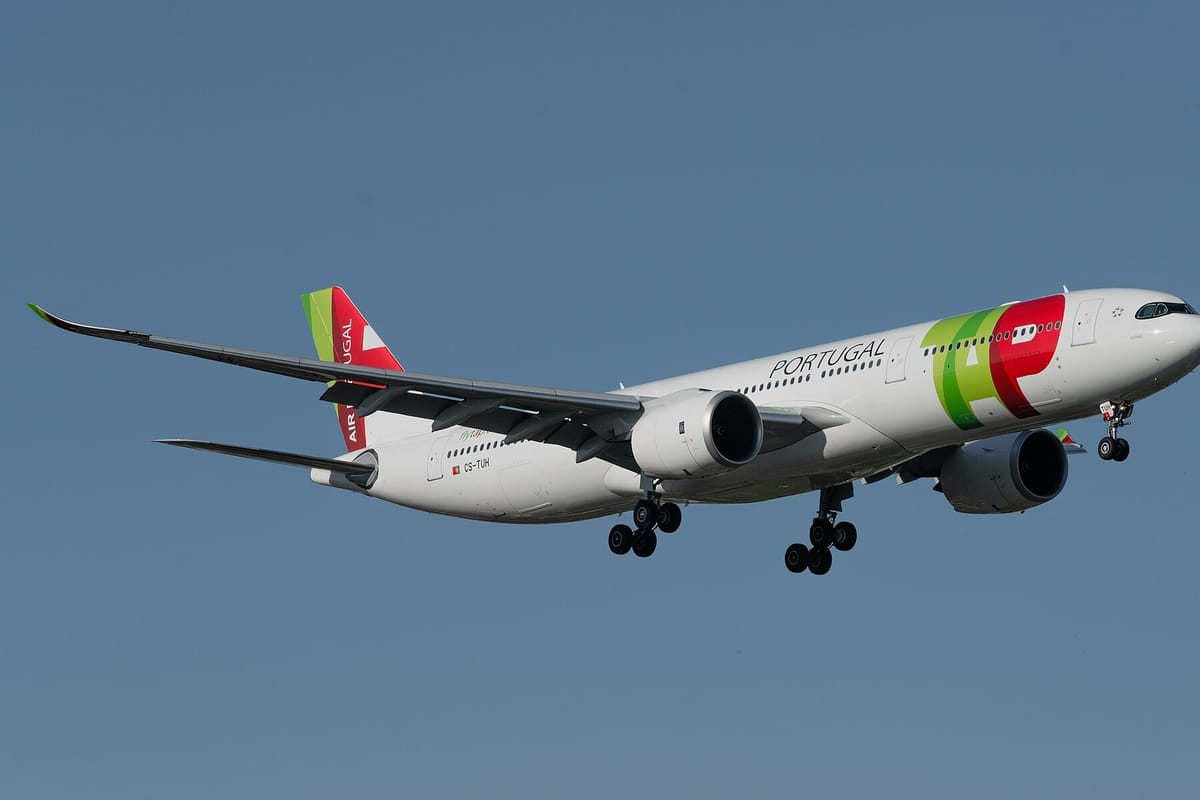
Brazil's overhaul of its consumption taxes will bring airline tickets under a new value-added tax from 2027, and TAP's chief executive has told an industry conference he hopes the full rate never arrives. According to ECO, which reported the warning on 26 October, the effective tax on air fares would rise from about 9 percent today to 26.5 percent once the reform is complete in 2033. Brazil is TAP's largest foreign market and was the main draw in the sale of up to 49.9 percent of the airline to Lufthansa, chosen by the government on 14 October.
What the law says
The reform began with Constitutional Amendment 132 of 2023, which replaces several federal, state and municipal taxes with a dual VAT: a federal CBS and a state and municipal IBS. The rules are in Complementary Law 214 of 2025, amended in 2026.
The timetable is set in the constitution. 2026 is a test year, with the CBS charged at 0.9 percent and the IBS at 0.1 percent. From 2027 the CBS is charged in full and the federal contributions it replaces end. Between 2029 and 2032 the old state and municipal taxes are cut to nine tenths, eight tenths, seven tenths and six tenths of their rates, with the IBS growing in their place, and the new system runs on its own from 2033. The reference rates themselves are not written into the law: they are fixed each year by resolution of the Brazilian Senate. The 26.5 percent figure is the rate expected for the combined tax, as reported by ECO.
Two provisions matter for flights between Portugal and Brazil. Article 11 of the law treats passenger transport as taking place where the journey begins. Article 12 says that on international passenger transport, when the outbound and return legs are sold together, the tax base is half the price charged. International flights get no reduced rate: the law's 40 percent cut for air travel covers only regional domestic aviation (article 287).
What the airlines say
ECO cites a study published last month by ALTA, the Latin American and Caribbean airline association, which estimates that applying the 26.5 percent rate would raise international fares to and from Brazil by 13.3 percent and cut demand by 17.8 percent, or about five million fewer international trips a year. An IATA briefing paper from February 2025, also cited by ECO, put the fall in demand at 21 to 29 percent.
Luís Rodrigues, TAP's chief executive, told an ALTA conference in Mexico City last week, as quoted by Aviation Week, that the airline was "very surprised" when the discussion started and that if Brazil thinks it can impose a 26 percent tax "and get away with it", other countries' reaction "will be enormous".
According to ECO, South America took 34 percent of TAP's seats in 2025, almost all of them to the 15 Brazilian cities it serves. TAP holds 23.1 percent of seats between Europe and Brazil this winter, and with TAP the Lufthansa group would reach 36 percent.
What it means for travellers
For the many Brazilian residents in Portugal (more than 134,000 were registered to vote here this month) and their visiting families, the full rate is still years away: the old taxes give way step by step until 2033. The law's wording points the tax at the part of a journey that starts in Brazil, with a return sold as one ticket taxed on half its price. Any rise in fares will depend on the rates the Senate sets, the phasing to 2033 and airline pricing.