More Than 134,000 Brazilians Can Vote in Portugal on Sunday, and a Lisbon Campus Will Be the Biggest Polling Station of Brazil's Whole Election
Brazil's presidential first round is on Sunday, 4 October. Voters in Portugal cast ballots from 8:00 to 17:00 at three University of Lisbon buildings, at ISEP in Porto and in Faro. Here is what to bring and why voting is compulsory.
More than 134,000 Brazilian citizens registered in Portugal can vote on Sunday, 4 October, in the first round of Brazil's presidential election. Portugal is the second-largest Brazilian electorate abroad, and the University of Lisbon will be the biggest single polling station of the whole election, in Brazil or anywhere else, with 78,833 voters registered there.
Polls open at 8:00 and close at 17:00, Portuguese time. Brazilians who vote abroad choose only the President and Vice-President of the Republic; the governors, senators and deputies elected on the same day are decided only by voters in Brazil.
Where to vote
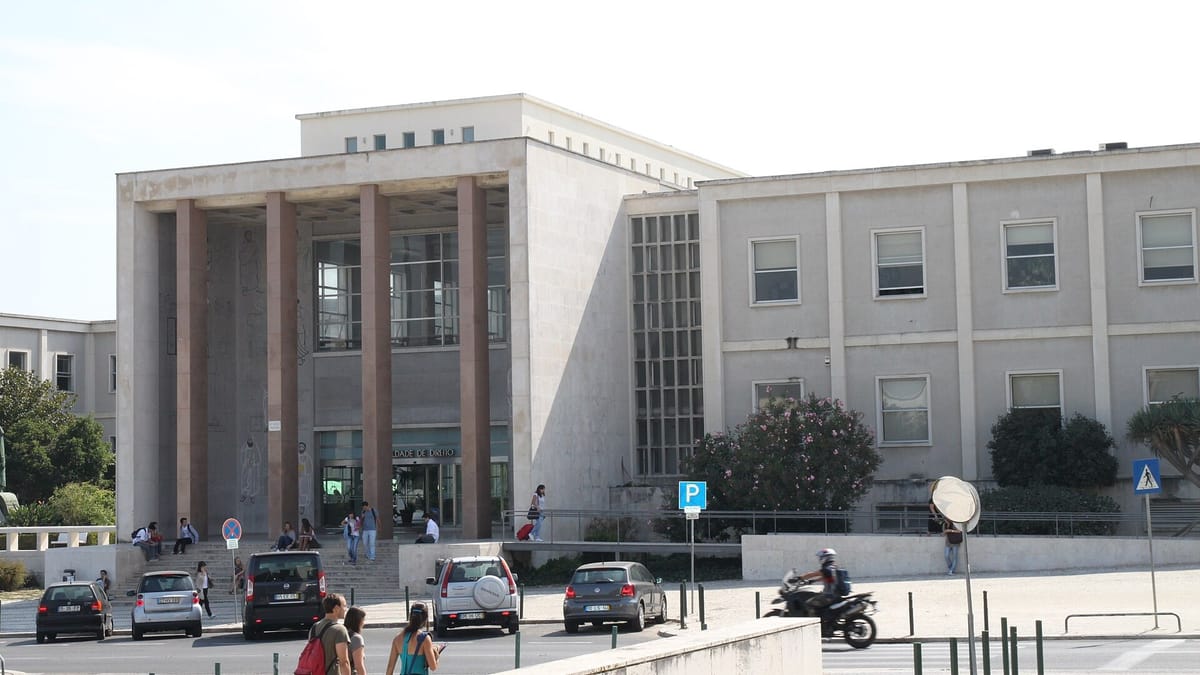
Voting is split between three cities. According to figures from Brazil's Tribunal Superior Eleitoral (Superior Electoral Court, the TSE) reported by Agência Brasil, the Brazilian state news agency, the Lisbon electorate will vote in 207 sections spread across three buildings of the Cidade Universitária (University City) campus:
- Faculdade de Direito (Faculty of Law): 34,144 voters;
- Faculdade de Letras (Faculty of Arts and Humanities): up to 28,892 voters;
- Reitoria (the university's rectorate building): 15,797 voters.
In Porto, all 47,676 registered voters will vote at the Instituto Superior de Engenharia do Porto (Porto School of Engineering, ISEP), the second-largest polling place of the election. Faro has close to 9,000 voters.
For comparison, the largest polling place inside Brazil, the Pontifícia Universidade Católica de São Paulo (Pontifical Catholic University of São Paulo), has 17,639 registered voters. The third-largest in the whole election is also abroad, at a Miami college campus with 40,066.
Check your section before you go
The Consulate-General of Brazil in Lisbon told the RTP public broadcaster that everything is ready, and that the growth in the number of registered voters since the last election forced it to open more polling places. It advises voters to confirm their section number and room in advance. Both are shown in the TSE's e-Título app and on its online Autoatendimento Eleitoral (electoral self-service) page.
Voters should bring an official Brazilian photo document. This year, the consulate says, there is an exception in Lisbon: a voter who does not have a Brazilian document with them can identify themselves with an official Portuguese document that carries a photograph. Voters in Porto and Faro should not assume the same exception applies there.
Voting is compulsory, even abroad
Under Brazil's Constitution, voting is compulsory for literate citizens aged 18 to 70 and optional for those aged 16 and 17 and over 70. That obligation does not lapse for Brazilians living abroad who are registered with a consulate. A registered voter who cannot vote must justify the absence, either on election day through the e-Título app or within 60 days of each round. Unjustified absences carry a fine, and under Brazil's Electoral Code a voter who has neither voted, justified the absence nor paid the fine cannot be issued a passport. Repeated unjustified absences can lead to the registration being cancelled.
If no candidate wins an absolute majority on Sunday, a second round between the two leading candidates will be held on Sunday, 25 October, the last Sunday of the month, as the Constitution requires.
One group of Brazilian residents will not be voting. Under the friendship treaty between Portugal and Brazil, a Brazilian resident who has been granted political rights in Portugal has their political rights in Brazil suspended, including the right to vote in Brazilian elections. Our guide to equal rights status for Brazilians in Portugal explains that trade-off. Brazilians remain the largest foreign community in the country, with 493,622 residents at the end of 2025, according to AIMA's latest count.