Porto Researchers Pinpoint Two Proteins Behind the Ageing of the Immune System
Researchers at Porto's i3S have identified two proteins essential to keeping the thymus - the organ that matures immune T cells - working, and shown their levels fall with age, pointing to a possible way to slow immune ageing.
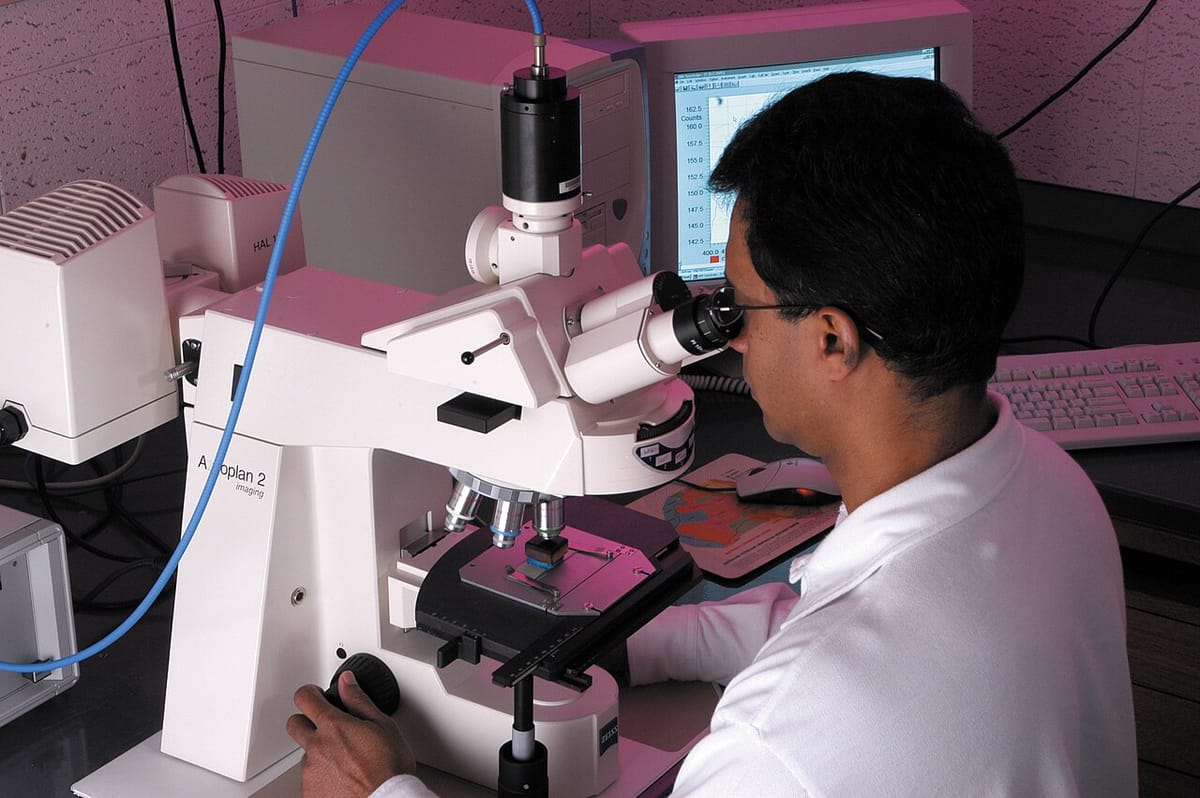
Researchers in Porto have identified a biological mechanism that could help slow the "ageing of the immune system," offering a potential path to keeping the body's defences stronger for longer. The work, carried out at the i3S — Instituto de Investigação e Inovação em Saúde (Institute for Research and Innovation in Health) of the Universidade do Porto (University of Porto), centres on the thymus, a small but critical organ whose gradual decline with age helps explain why older people fall ill more easily.
The thymus, or timo in Portuguese, is the organ where T cells — the T lymphocytes that coordinate much of the immune response — mature before entering the bloodstream. As we grow older, the thymus loses its ability to produce these cells efficiently. That decline matters: it is one reason why older adults are more vulnerable to infections and why they tend to respond less well to vaccines than younger people. Understanding how the thymus ages is therefore central to understanding immune ageing itself.
The Two Proteins Behind the Decline
The i3S team identified two proteins that are essential to preserving the function of the cells that sustain the structure of the thymus and allow the proper formation of T cells. In effect, these proteins help maintain the scaffolding that keeps the organ working as an immune "training ground." Crucially, the researchers showed that the levels of both proteins fall naturally with age — a finding that reinforces the idea that they may be directly involved in the ageing of the immune system.
Because the decline in these proteins tracks with the loss of thymus function over a lifetime, the researchers believe their findings could open the way to new therapeutic strategies aimed at slowing or countering that loss. This is fundamental science: the work maps a mechanism rather than delivering a treatment, and any clinical application would be years away. But identifying the molecular players involved is the necessary first step toward interventions that might one day help the immune system age more gracefully.
What This Means for Residents
- An ageing population stands to benefit most. Portugal has one of Europe's older populations, so research into why immune defences weaken with age is directly relevant to long-term public health here.
- There is no treatment yet — and this is not medical advice. The findings are early-stage laboratory science. Nothing here changes how anyone should manage their health today; standard vaccination and medical guidance still apply.
- It reflects Portugal's growing research reputation. Discoveries like this add to the country's rising profile in health and life sciences, alongside major industry investments in the sector.
- Basic science funding underpins future medicine. Mechanistic work of this kind rarely makes headlines, yet it is precisely what makes future therapies possible — a reminder of why sustained investment in fundamental research matters.
The Porto discovery sits within a wider push to strengthen Portugal's life-sciences base, from Hovione's €200 million medicines plant in Seixal to the country's ambitions in applying advanced technology to health and beyond. Fundamental research on immune ageing complements those investments, feeding the pipeline that industry ultimately draws upon.
For now, the significance of the i3S work lies in the questions it opens rather than any immediate answer. By pinning down two proteins whose decline accompanies the ageing thymus, the researchers have given the field a clearer target to study — and, in time, perhaps a route toward keeping the immune system's defences robust well into later life.