Portugal's Responsible-AI Consortium Aims for €150 Million in Sales as Sword Health Takes Over From Unbabel
Portugal's Center for Responsible AI, the PRR-funded consortium once led by the now-collapsed Unbabel, expects around €150 million in business by the end of 2026, mostly from exports. Now led by Sword Health, it groups 21 partners and some 18 products spanning health, law and inclusion.
Portugal's flagship artificial-intelligence consortium expects to generate around €150 million in business by the end of 2026, most of it from exports, its chief executive says — a bullish target that comes even after the collapse of Unbabel, the translation start-up that founded the venture and once led it.
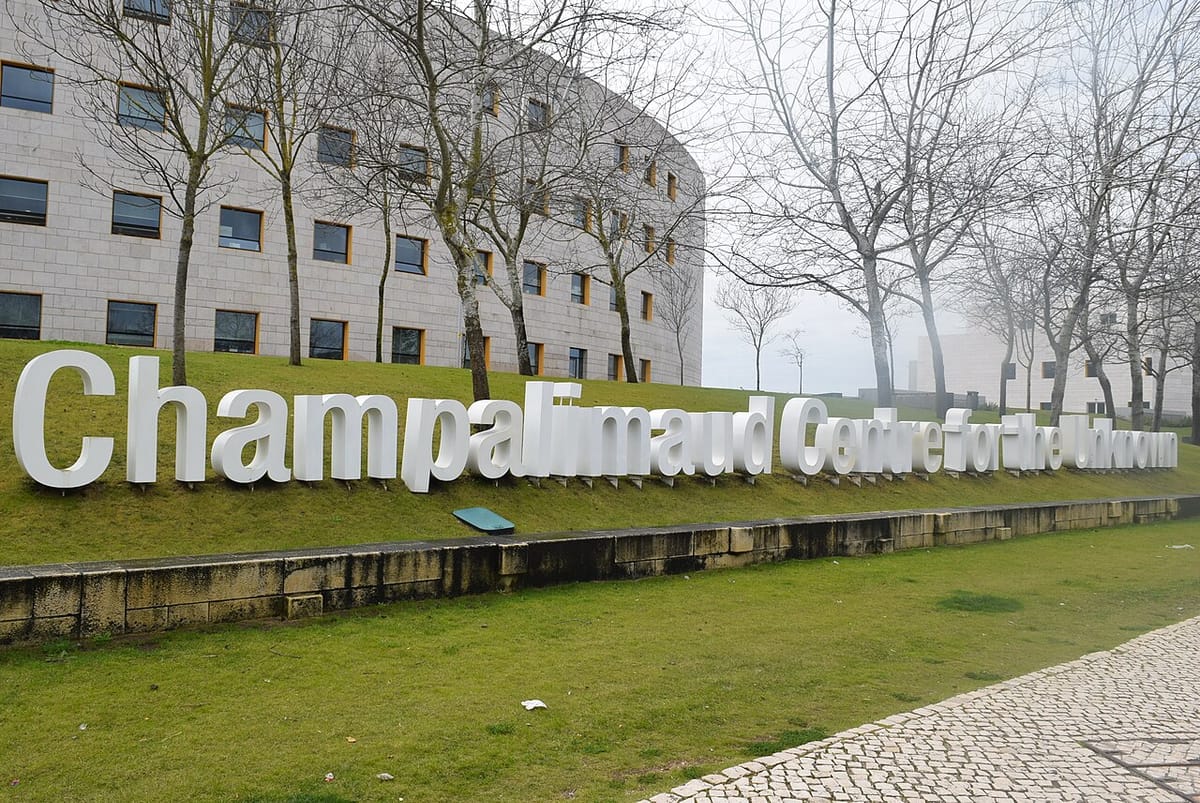
The figure was set out by Paulo Dimas, chief executive of the Center for Responsible AI, in an interview with Dinheiro Vivo. The centre is not a single company but a consortium: one of the “mobilising agendas” (agendas mobilizadoras) that Portugal funded with money from its post-pandemic Recovery and Resilience Plan (Plano de Recuperação e Resiliência, or PRR) to try to turn public research money into commercial products. Launched in 2022, it pools 21 partners — among them the fraud-detection firm Feedzai, the digital-physiotherapy unicorn Sword Health, the pharmaceutical group Bial, the Pestana and Sonae groups, the law firm Vieira de Almeida, and research bodies including the Champalimaud Foundation, Instituto Superior Técnico and INESC-ID.
The consortium's total investment runs to roughly €78 million, of which about €51 million comes from the PRR and the rest from the members themselves. Against that, Dimas points to an execution rate he now puts at 87 to 88 percent and a portfolio of some 18 products and two projects — the 21 deliverables the agenda promised. It is those products, sold largely abroad, that are meant to carry the €150 million figure.
The most striking part of the story is that the target survives the departure of the venture's original anchor. Unbabel, once one of Portugal's best-known AI names, was overwhelmed by the very technology it worked in: as large language models made machine translation almost free, “the value of translation fell 10 times, 100 times,” Dimas told the paper. The company was taken over by North American capital in 2025 and its Portuguese operations restructured, but its products were commercialised and, Dimas says, remain in the country. Leadership of the consortium passed in late 2025 to Sword Health, the Porto-born unicorn whose AI-guided home physiotherapy has been folded into the national health service.
Several of the products already have paying customers. Sword Health's system, Dimas notes, has cut waiting times for some treatments dramatically and reports very high at-home adherence. Others named in the interview include Pribelem, which automates the medical coding hospitals use to classify diagnoses; a pair of legal-tech tools that he says have each gone from zero to a million euros in recurring revenue; and Holo, a voice-intelligence product that helps people with degenerative illnesses such as ALS keep communicating. The common thread is the “responsible” framing the centre was built around — AI aimed at health, justice and inclusion, with an ethics and scientific board that has included the neuroscientist António Damásio.
The claim will be tested against a harder backdrop. The state auditor IAPMEI has been reviewing whether Unbabel completed the PRR-funded projects it signed up for, a reminder that the mobilising agendas are judged on delivery, not ambition, and that money not properly spent can have to be returned. Portugal has been racing to spend its recovery-plan envelope before the programme's deadlines, and the AI agenda is one of the schemes whose results will shape whether the model is repeated.
Dimas, for his part, is already looking past it. The next Center for Responsible AI consortium, he says, will focus on health, with a smaller budget of about €21 million, five products and a dozen partners. Coming alongside the government's own push into home-grown public-sector AI and the Iberian bid for a European AI gigafactory at Sines, it suggests that the country intends to keep building its AI sector around applied, sector-specific tools — and to sell them well beyond its borders.