Hovione Commits €200 Million to a New Seixal Medicines Plant Opening in 2027
Hovione is investing €200 million of its own capital in a new tablet factory in Seixal, opening in September 2027 and adding about 50 skilled jobs. The Portuguese firm supplies 19 of the world's 20 biggest drugmakers, with the US its main market.
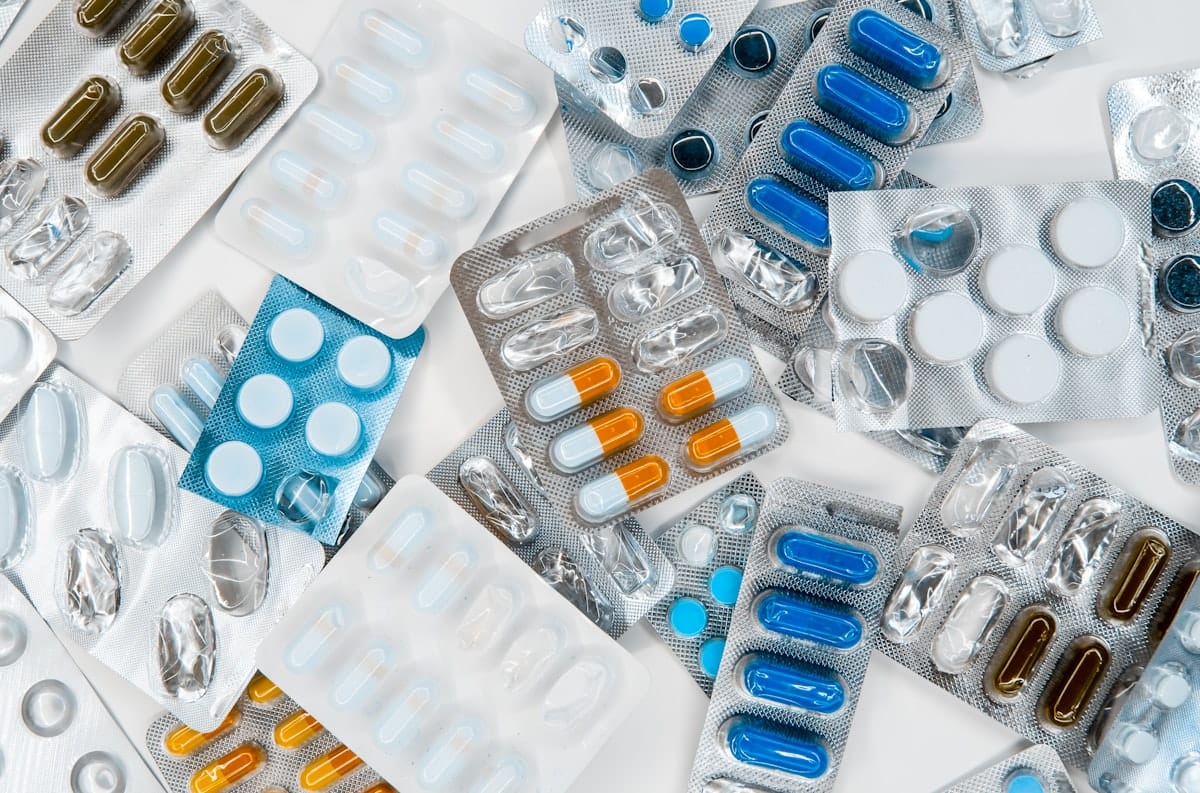
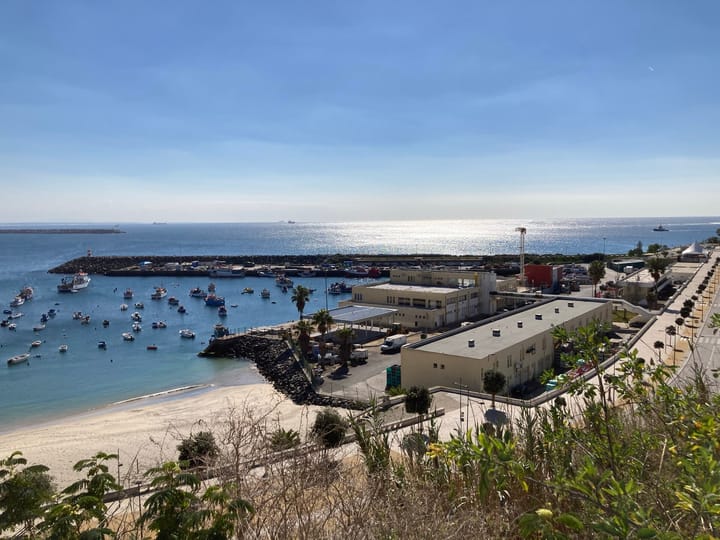
Hovione, one of Portugal's quiet pharmaceutical champions, is committing €200 million to a new medicines factory in Seixal, on the south bank of the Tagus, with the plant scheduled to open in September 2027. The investment — funded entirely from the company's own capital — will build capacity to develop and manufacture tablets, the oral solid doses that remain the workhorse of the global drug industry, and marks one of the largest private industrial bets announced in the Lisbon region this year.
The Seixal site expands a Portuguese footprint centred on Hovione's campus in Loures, just north of the capital, where roughly 1,250 people already work. Company executives say the new unit will add around 50 highly qualified jobs, the kind of chemistry, engineering and quality-control roles Portugal has been trying to keep at home rather than lose to better-funded rivals in Ireland, Switzerland or the United States.
A homegrown supplier to the world's biggest drugmakers
Founded more than six decades ago by Ivan and Diane Villax, Hovione has grown from a Lisbon laboratory into a contract developer and manufacturer with four factories spanning Portugal, Ireland, China and the United States and a workforce of more than 2,600. The company supplies active ingredients and finished formulations to 19 of the world's 20 largest pharmaceutical groups, with the American market its single biggest export destination — a position that makes its Portuguese production base strategically valuable and politically prized.
Co-chief executives António Almeida and Marco Gil, who took the helm this spring, framed the Seixal decision as a bet on speed and location. Gil pointed to the site's proximity to Lisbon airport and access to the capital's pool of scientific talent, while Almeida made a pointed observation about how the project is being paid for: as a large firm in the Lisbon area, Hovione does not qualify for the European funding earmarked for less-developed regions, and although the Seixal plant could fall under the next EU framework from 2028, "patients' needs cannot wait" for subsidies that may or may not arrive.
Why it matters
- Industrial anchoring. A €200-million self-financed plant signals confidence that Portugal can compete for advanced pharmaceutical manufacturing, not just services.
- Quality jobs. The 50 new roles are high-skill positions that help retain graduates who might otherwise emigrate.
- Export weight. With the US as its main market, Hovione's expansion strengthens Portugal's presence in a high-value, trade-sensitive supply chain.
The announcement lands as European governments scramble to reshore critical medicine production after the shortages exposed during recent health crises. For Portugal, a country more often associated with tourism, cork and textiles, Hovione is a reminder that some of its most globally connected companies work in fields most residents never see — and that a discreet factory rising in Seixal will, within two years, be turning out pills bound for pharmacies far beyond its borders.