Paulo Portas Gains Four Names for Portugal's 900th Anniversary, and the Programme for the First Three Years Is Due by December
A museums chief, a publisher, a financier and a writer make up the executive commission named on Friday. The first landmark is the 900th anniversary of the Battle of São Mamede on 24 June 2028, and no budget figure came with the announcement.
Portugal now has four people charged with writing the programme for its own 900th birthday. The government named the executive commission of the Comemorações dos 900 anos da Fundação de Portugal (Commemorations of the 900 Years of the Founding of Portugal) on Friday morning, working under commissioner-general Paulo Portas, and gave it a deadline that falls inside this year.
The four are Alexandre Pais, an art historian who has chaired Museus e Monumentos de Portugal (Museums and Monuments of Portugal) since 2024 and previously directed the Museu Nacional do Azulejo; Ana Rita Bessa, a former member of parliament who was chief executive of the publisher LeYa from 2021 to 2026 and sits on its board; Pedro Pereira Gonçalves, a director at Hansa Capital Partners and a former Secretary of State for Innovation, Investment and Competitiveness; and Pedro Mexia, the writer, poet and critic who was deputy director and then interim director of the Cinemateca Portuguesa and cultural adviser at the President's Casa Civil.
The dates being commemorated
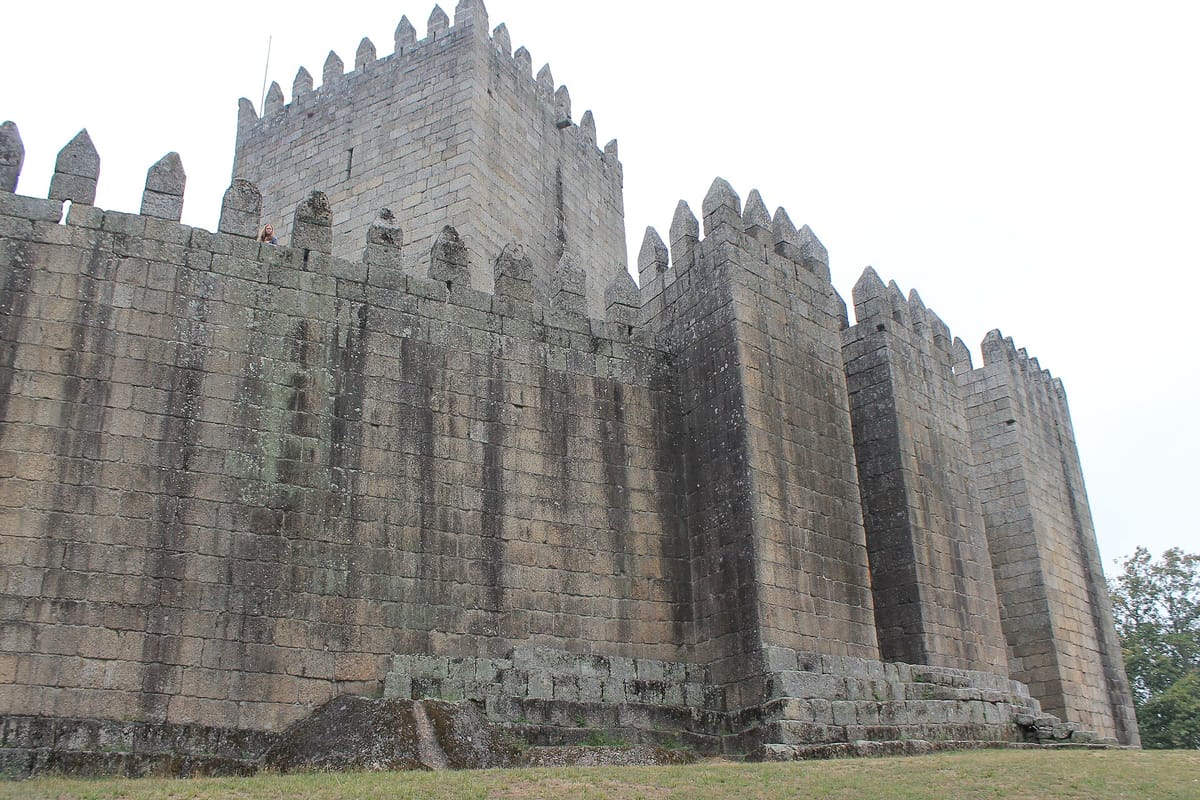
The structure was created by Resolução do Conselho de Ministros n.º 149/2026 of 17 July. Its first landmark is the 900th anniversary of the Battle of São Mamede, fought outside Guimarães and to be marked on 24 June 2028.
From there the calendar runs long. The government lists the tradition attached to the Battle of Ourique in 1139, the Treaty of Zamora in 1143, and the external recognition secured in 1179 through the papal bull Manifestis Probatum. Taken at face value, that is a commemorative cycle whose second major date falls in 2039, whose third falls in 2043, and whose fourth falls in 2079.
What has to be delivered, and when
The executive commission's job is to draw up the official programme. By the end of 2026 it must present the plan for the first three years, centred on São Mamede. That leaves roughly three and a half months to produce a programme for 2027 through 2029, a tight window and the first real test of whether the project has momentum or is simply on paper.
Above the executive commission sit two further bodies. A general council follows and approves the programming. A committee of honour is chaired by the President of the Republic and includes every living former head of state, which in Portugal's case means the commemorations carry the signatures of politicians from across four decades of the democratic period. Administrative, technical and logistical support comes from the Direção-Geral do Livro, dos Arquivos e das Bibliotecas (Directorate-General for Books, Archives and Libraries).
Why it is worth watching from outside
The stated purpose is to promote knowledge of Portuguese history, reinforce national identity and civic consciousness, and give weight to the founding events. No budget figure accompanied Friday's announcement. For anyone who has moved here, national commemorations are one of the more legible ways a country explains itself, and this commission is front-loaded with cultural rather than political appointments: a museums chief, a publisher, a film archivist turned essayist.
It also lands in a week when the country's heritage infrastructure has been conspicuously busy. The Teatro Nacional D. Maria II reopens on the Rossio this weekend, more than 400 sites are open to visitors until 27 September under the European Heritage Days, and a public vote last weekend picked a new seven wonders of Portugal from 147 candidates. The 900 years programme will be built on the same stock of castles, monasteries and museums, and on the same public appetite for them.