Portugal Throws Open More Than 400 Heritage Visits Until 27 September, From a Taxidermy Lab in Lisbon to a Beach Clean at Sagres
The European Heritage Days run from Friday to 27 September. Most activities are free, many open places that are normally closed, and the theme this year is heritage at risk. Here is what is on and where.
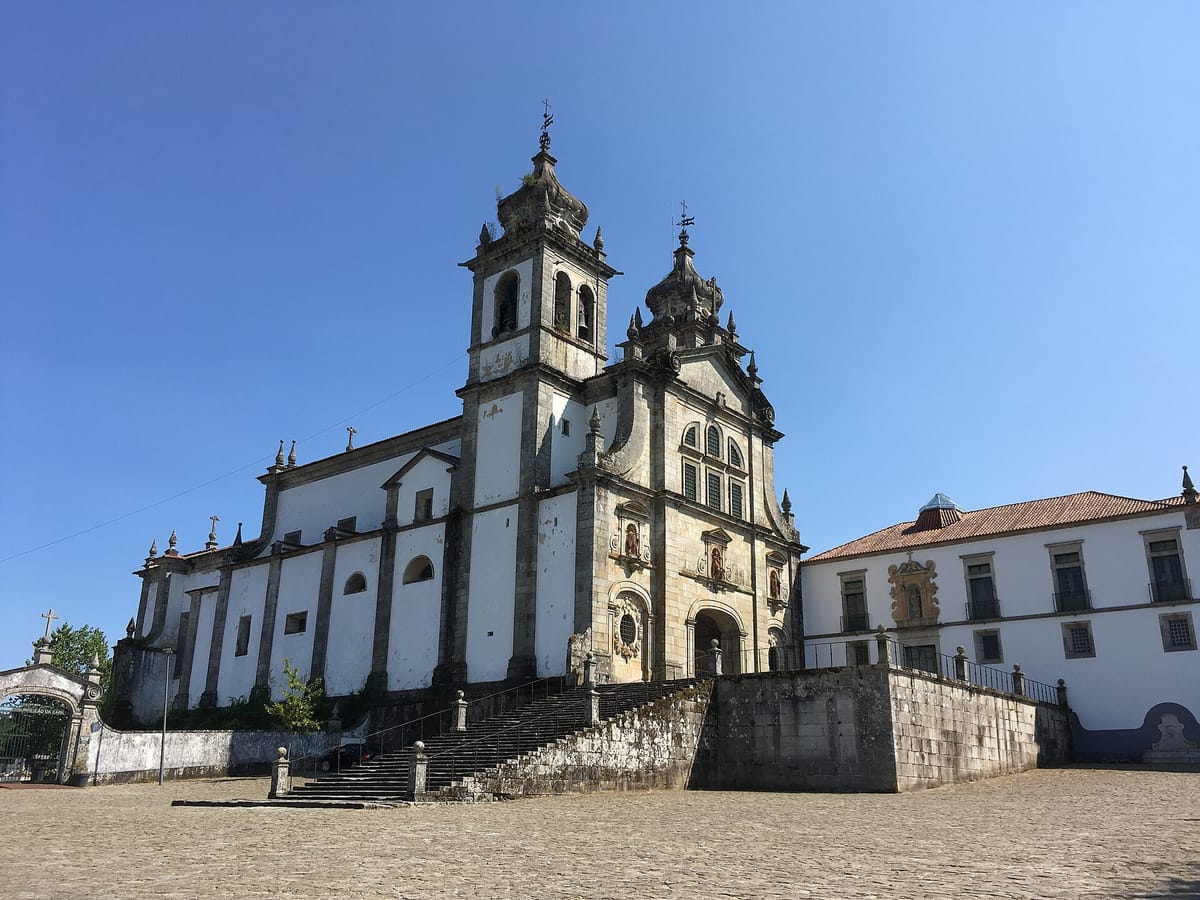
From Friday until 27 September, more than 400 activities open across Portugal under the European Heritage Days, most of them free and many of them in places that are not normally open to visitors at all. A taxidermy laboratory in Lisbon. The reserved areas of a Roman villa in the Algarve. Night visits to monasteries in the north.
The programme is coordinated in Portugal by Património Cultural (the public heritage institute) and the full listing sits on its events portal.
What the European Heritage Days are
They are a joint initiative of the Council of Europe and the European Commission, run every September across 48 participating countries. Each year has a shared theme. The 2026 theme, in the Council of Europe's own English wording, is "Heritage at Risk: Revive, Resist, Reimagine", rendered in Portugal as "Reviver, resistir, reinventar".
The framing text asks what happens to heritage in societies facing rapid digitalisation, faster human mobility, the climate crisis and conflict, where it risks being diluted. The stated purpose is to raise awareness of the risks and of how cultural and historical identity is preserved in every community.
Lisbon
The Palácio Nacional da Ajuda (Ajuda National Palace) has a free guided visit on Sunday 20 September tracing its architecture and construction history, among other activities across the week. The palace is a good choice this year in particular, having spent 2026 working through a 12.8 million euro refit funded from the recovery plan.
On 26 September a guided walk between the Mosteiro de São Vicente de Fora and the Sé de Lisboa (Lisbon Cathedral) marks the arrival of the relics of Saint Vincent in 1173. The taxidermy laboratory of the Museu Nacional de História Natural e da Ciência (National Museum of Natural History and Science) opens to the public, which is the sort of access these days exist for. Staged visits run at the Palácio Fronteira, and the Observatório Astronómico de Lisboa (Lisbon Astronomical Observatory) leads one of its own. Several dozen Lisbon venues take part across the week.
Porto and the north
The Universidade do Porto opens a set of free guided visits across its own buildings, from the Reitoria to its natural history and science museum, alongside exhibitions including "Portugal Triste", photographs by Nuno Resende at the Casa dos Livros, and "Jogos da Macaca: Jorge Pinheiro e a vida lá fora" at the fine arts faculty.
At the Torre dos Clérigos there is a session built around the pipe organs: a guided visit to the instruments led by Rui Soares, a short commented recital and a quiz, running from Sunday to 26 September at several times a day.
Elsewhere in the city there are routes around the historic fountains, a walk following the Battle of São Miguel, and visits to São Bento da Vitória church, the Hospital de Santo António, the Companhia Aurifícia, the Arqueossítio, the Alfândega, the Reservatório and the Casa do Infante.
Braga presents the Mosteiro de São Martinho de Tibães on Sunday. Coimbra has a walk rediscovering the Aqueduto de Santa Clara on Saturday.
Beyond the two cities
Património Cultural runs two strands of its own. "Reinventar o Património" is the schools competition Young European Heritage Makers, promoted by the Council of Europe. "Reviver o Património" is the access programme: night visits and entry to reserved areas at the Freixo archaeological area (Tongobriga), the Villa Romana de Milreu, the Mosteiro de Santo André de Rendufe, the Mosteiro de São Martinho de Tibães and the Mosteiro de Santa Clara-a-Velha in Coimbra.
On Sunday the Fortaleza de Sagres hosts a participatory clean-up, where the Heritage Days coincide with International Coastal Cleanup Day. In Viana do Castelo the focus falls on the hospital ship Gil Eannes and on the Palácio da Brejoeira, the latter in the municipality of Monção. Armamar, in Viseu district, stages the play "O Morgado de Fafe Amoroso" on 24 September, marking 200 years since the birth of Camilo Castelo Branco. Borba, in Évora district, frames the restoration of the Ermida de São Miguel Arcanjo on the final two mornings, coinciding with the local São Miguel festivities.
The official closing session is on 26 September at Vila Viçosa, under the theme "Resistir", with a panel discussing sustainable approaches to restoration.
Practical notes
Most activities are free but many require booking, and the programme is described as continuously updated, so the listing you check on Friday will not be the listing on Wednesday. Entries are largely in Portuguese, though the sites themselves are the point and several are self-explanatory once you are there.
If you cannot get to any of it, the government's virtual visits portal covers 90 Portuguese monuments and museums. And for the regular calendar of free access, Portugal's existing 52 free museum days are themselves under review after a complaint from Brussels.