A New Government Portal Puts 90 Portuguese Monuments and Museums Online for Virtual Visits
Portugal's Ministry of Culture has launched a new online platform offering virtual visits to 90 heritage spaces and access to 232 national treasures, from Batalha Monastery to Mafra National Palace.
Portugal's Ministério da Cultura (Ministry of Culture) has opened a new online window onto the country's heritage, launching a platform that lets anyone tour museums, monuments, palaces and archaeological sites from a screen. Announced around 18 July 2026 and hosted at 360.patrimoniocultural.gov.pt, the portal gathers digitised cultural assets and immersive virtual visits under one address, run by Património Cultural, I.P. (the public body responsible for Portuguese cultural heritage).
At launch, the platform presents 232 "tesouros nacionais" (national treasures) and offers 67 virtual visits covering 90 heritage spaces. Those sites are spread across 45 municipalities in 17 districts, giving the project a genuinely national footprint rather than concentrating on the usual handful of headline attractions in Lisbon and Porto.
What You Can Explore
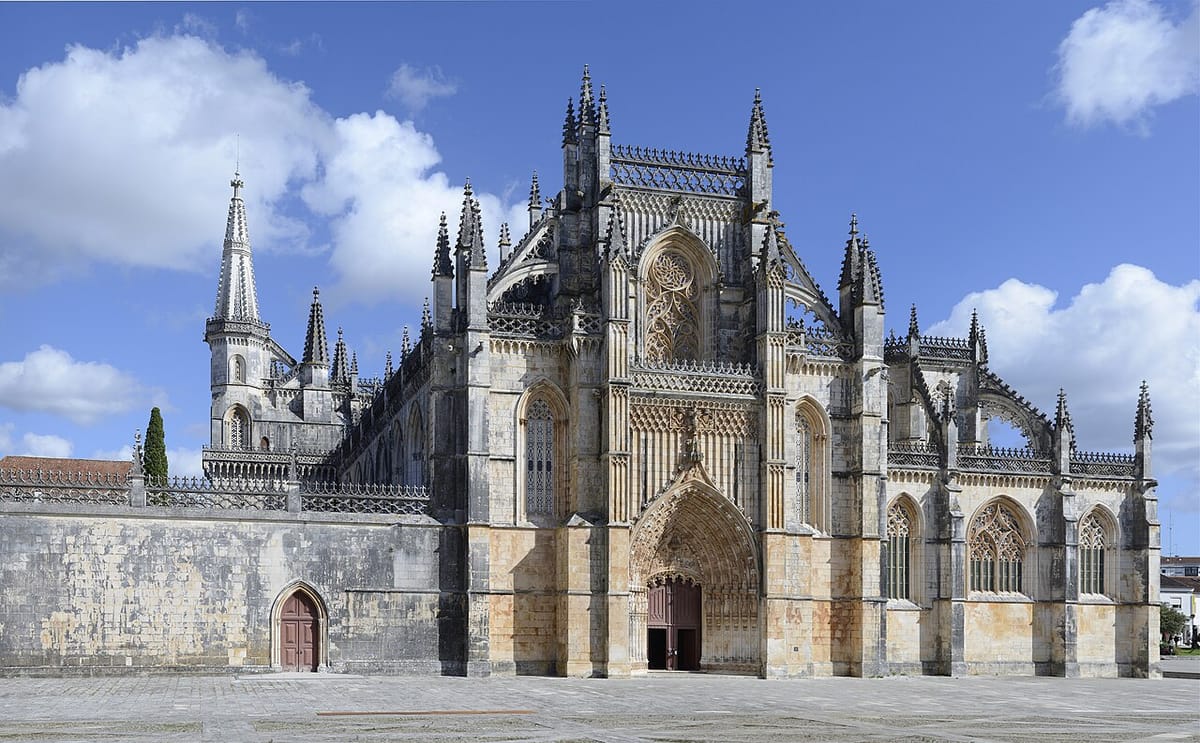
The virtual visits take in some of Portugal's most significant landmarks. Among the featured sites are the Mosteiro da Batalha (Batalha Monastery), the Sé de Évora (Évora Cathedral), the Palácio Nacional de Mafra (Mafra National Palace), the Fortaleza de Sagres (Sagres Fortress), and the Museu Nacional da Música (National Music Museum). Together they span Gothic architecture, religious heritage, royal residences, coastal fortifications and the country's musical history, offering a cross-section of Portuguese culture that would take weeks to see in person.
The initiative is part of a wider push to digitise Portugal's cultural heritage and make its collections available remotely. For a country whose economy leans heavily on tourism, broadening online access serves a dual purpose: it lets prospective visitors preview and plan trips, while also opening the collections to residents, students and researchers who may never make it to every corner of the map.
Why Virtual Access Matters
Digital heritage projects have grown in importance as institutions look to reach audiences beyond their physical walls. The trend echoes broader shifts in how Portugal thinks about culture and visitors alike, from major museums rethinking their public offer to a national tourism strategy that increasingly favours depth over sheer numbers. It reflects the same reasoning behind Portugal's move, after 30 million visitors, to pivot its tourism strategy from volume to value, encouraging deeper engagement rather than crowds.
What This Means for Residents
- Planning real-life visits: Expats and residents can preview monuments and museums before travelling, making it easier to prioritise which of the 90 spaces are worth the trip.
- Accessibility for those who can't travel: People with limited mobility, tight schedules or long distances to cover can still experience landmark sites in detail from home.
- A resource for teachers and students: The virtual visits and digitised assets offer a ready-made teaching tool for schools, language classes and anyone studying Portuguese history and art.
- Learning the culture as a newcomer: For recent arrivals, the platform is an accessible way to build familiarity with Portugal's heritage and context, in a country where cultural landmarks are central to daily life.
The launch adds to a growing list of cultural institutions expanding their reach both online and in person, from national monuments to major museums such as the recently renewed Gulbenkian. Readers following that theme may recall how the Gulbenkian Museum reopened after 18 months with new galleries and free days. As Património Cultural, I.P. adds more sites and treasures to the portal, virtual access looks set to become a standing feature of how Portugal shares its heritage with residents and the wider world. On heritage colliding with a municipal building site, our report on the Braga administrative court admitting an injunction against Viana do Castelo's new municipal market over sixteenth-century convent remains, and the mayor's threat to bill the association for the delay sets the latest reference. On what it now costs to keep a national museum open on a feriado, our report on the 60 euro availability supplement created for the front-of-house staff of Museus e Monumentos de Portugal who work a public holiday, indexed to the public pay table and backdated to April 2026 sets the latest reference. Update: in October 2026, Portugal agreed to rewrite its 52 free museum days by June 2027 to settle an EU discrimination case, and the National Museum of Ancient Art reopens on 21 November.