Leiria's Castle and Lisbon's Cathedral Head the New Seven Wonders of Portugal, Picked From 147 Candidates
A Roman villa in the Alentejo, an aqueduct at Obidos, the market halls of Olhao, a working winery in Estremoz and a baroque garden in Castelo Branco complete the list voted on Saturday night.
Portugal picked a new set of seven wonders on Saturday night, and the list that came out of the final vote mixes a twelfth-century royal castle with a working winery finished in the last few years.
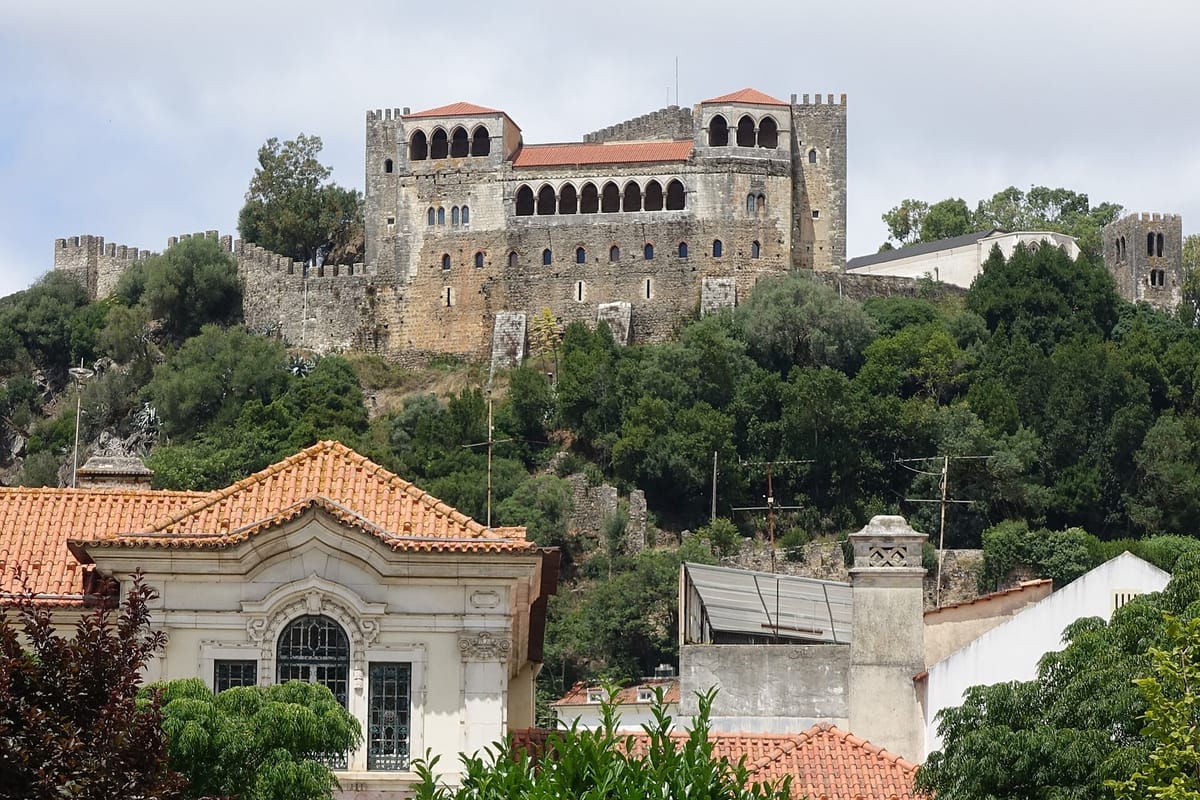
The seven, one for each category in the competition, are the Castelo de Leiria, the Se de Lisboa, the Roman ruins of Sao Cucufate at Vila de Frades in Vidigueira, the Aqueduto da Usseira in Obidos, the markets of Olhao, the Tiago Cabaco Winery in Estremoz, and the garden of the Paco Episcopal in Castelo Branco.
The categories they won explain the spread. Leiria took castles, which the organisers define broadly enough to take in medieval castles, bastioned fortresses, walls, keeps, coastal and river forts and barracks. Lisbon's cathedral took religion. Sao Cucufate took history. The Obidos aqueduct took great works. Olhao's market halls took twentieth-century architecture and the Estremoz winery took twenty-first-century architecture, the two categories that made this edition different from the original. The Castelo Branco garden took tourism.
One hundred and forty-seven candidates, twenty-one finalists
The contest began with 147 heritage sites from the mainland and the islands and narrowed through regional programmes to 21 national finalists, three in each of the seven categories, before Saturday night's gala. The theme this time was built heritage, historic and contemporary, which is why a wine cellar could stand in the same list as a cathedral.
This was the return of a format Portugal last ran on 7 July 2007, when the first Sete Maravilhas de Portugal were chosen. The organisers, who hold an affiliation with the New7Wonders Foundation, will mark 20 years of the project in 2027. The televised competition ran across 14 programmes before the final.
What the list is worth
A public vote is not a heritage classification and carries no protection or funding with it. What it does carry is attention, and for several of the winners that is the point. Sao Cucufate is a Roman villa complex in the Alentejo interior, a long way from any large visitor flow. The Aqueduto da Usseira, which fed Obidos with water, is the kind of structure most people drive past. The Paco Episcopal garden in Castelo Branco is a baroque set piece in a district that rarely features in national tourism campaigns.
Two of the winners are not monuments in the conventional sense at all. The Olhao markets are the pair of brick waterfront halls that still sell fish and produce every morning, and they win a category that did not exist in 2007. The Tiago Cabaco Winery is a working wine producer in Estremoz, which puts a piece of commercial architecture into a national list alongside the seat of the Lisbon patriarchate.
For residents, the practical reading is an itinerary rather than a ranking. Two of the seven sit in or near Lisbon, and the rest are spread across the Algarve, the Alentejo, the Beira Baixa and the Leiria district. Leiria's castle, with its loggia looking out over the town, and Lisbon's cathedral are both open to visitors and both already carry a steady stream of them. The other five are likely to see rather more people arriving over the next few months than they are used to.