Ninety-Two Drownings by 31 July Set a Decade Record, and Rivers Account for More Than a Third
FEPONS provisional data puts drowning deaths 15 percent above last year and past the 2022 record of 88. Rivers took 35 lives and the sea 27, with the rest spread across dams, domestic pools, wells and flooded roads.
Ninety-two people drowned in Portugal between 1 January and 31 July, the highest figure recorded for those seven months in a decade, according to provisional data from the Observatório do Afogamento (Drowning Observatory) run by FEPONS (Federação Portuguesa de Nadadores Salvadores, the Portuguese Federation of Lifeguards).
The count is 15 percent above the same period of 2025, when 80 deaths had been registered by the end of July, and it passes the previous maximum in the observatory's series, the 88 deaths recorded in 2022.
Where people are dying
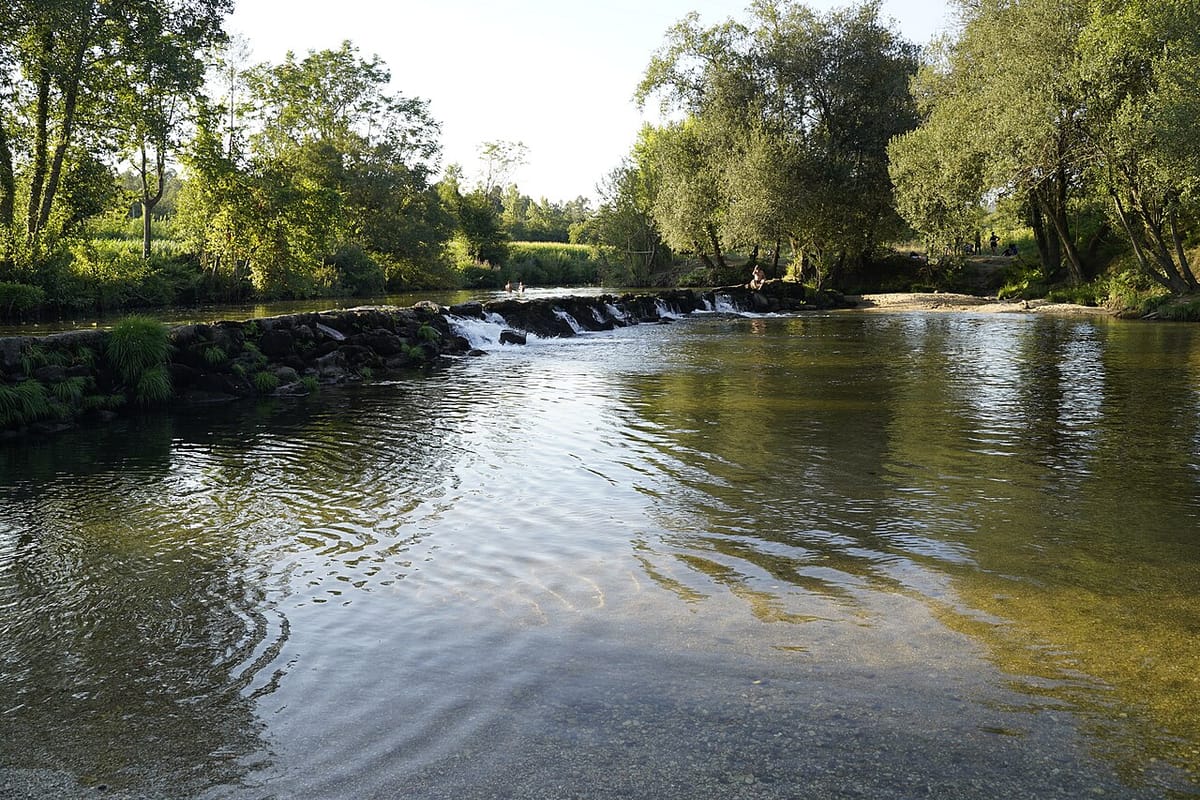
The distribution is the part worth reading closely, because it does not match where most people assume the danger is. Rivers account for 35 deaths, more than any other setting. The sea accounts for 27. Together those two environments make up 62 of the 92 fatalities, or 67.4 percent.
The remainder is scattered across settings that rarely appear in safety campaigns: six deaths at dams, six in domestic swimming pools, five in wells, four on flooded roads, four in harbour areas, and one each in a lake, a tourist resort pool, a public pool, a water tank and a ditch.
FEPONS makes the point directly, warning that the risk of drowning is not confined to sea beaches and exists across a wide diversity of aquatic environments. The figures bear it out. Sea drownings are a minority of the total, and the single most lethal category, inland rivers, is also the one least likely to have a lifeguard anywhere near it.
What changed since May
When the same observatory published its count through 31 May, the total stood at 57, and every one of those deaths had occurred outside a patrolled zone. June and July added 35 more, which is the summer peak arriving on schedule and at a higher level than in any recent year.
The bathing season is not over, and these are provisional figures that stop at 31 July, so the full-2026 count will be higher than the one released on Wednesday. Supervised bathing periods are set concelho by concelho, and the inland river beaches that dominate this year's toll generally carry shorter supervised seasons than the coast does.
What it means for residents and visitors
Portugal has an unusually good record on water quality, with 559 bathing sites rated excellent in the most recent European assessment, and that record can encourage a false sense of security. Clean water is not supervised water, and a designated bathing area is not the same thing as an area with a lifeguard on duty.
Two practical points follow from the data. First, if you are swimming in a river, a dam or a lake, assume there is no one watching, because in most cases there is not, and the observatory's own count of where deaths occur is the best available guide to where help is absent. Second, the six deaths in domestic pools and the five in wells are a reminder that the risk does not stop at the property line, and that private water on private land carries no supervision at all.
Anyone planning beach days for the rest of the season can check which sites are supervised, and for how long, in our guide to the lifeguard calendar and the Bandeira Azul network. In an emergency, the national number is 112. Update: the National Maritime Authority counted 30 deaths and 1,418 rescues in the 2026 bathing season with 19 of the deaths where no lifeguard was on duty. Our guide to building a swimming pool at your home explains when you must tell the council, what a pool adds to your IMI, and the drought and safety rules.