Thirty People Died on Portugal's Beaches and Rivers This Bathing Season, Eight of Them in September, as Lifeguards Made 1,418 Rescues
The National Maritime Authority recorded 30 deaths, 1,418 rescues and 2,609 first aid interventions from 1 May to 30 September. Only 11 of the deaths were at beaches with lifeguards on duty, and eight came in September.
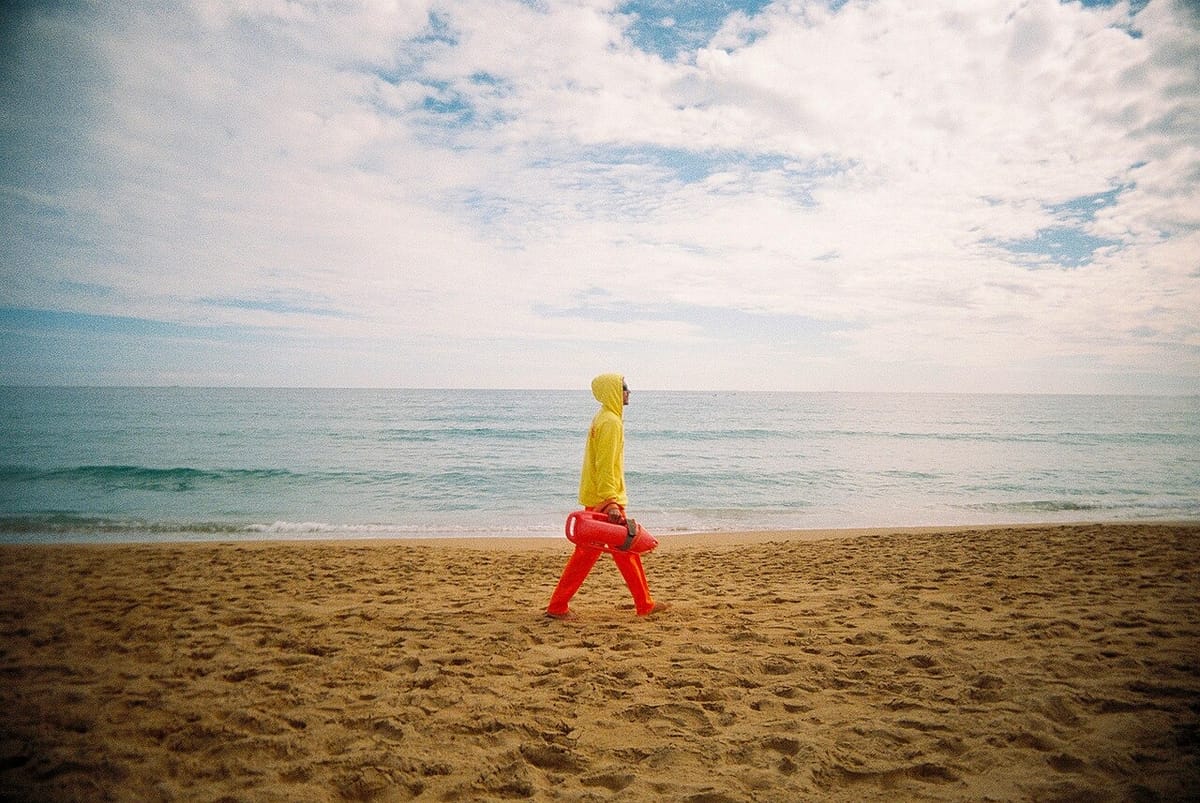
Thirty people died on Portugal's beaches and in the coastal and river waters policed by the Autoridade Marítima Nacional (National Maritime Authority) during the 2026 bathing season, which the authority counts from 1 May to 30 September. In the same five months its lifeguard network carried out 1,418 rescues and 2,609 first aid interventions, according to the season balance the authority published on Thursday evening.
Seventeen of the deaths were drownings. Twelve were put down to sudden illness and the cause of one is listed as unknown. Eleven of the thirty victims died at beaches that had lifeguards on duty at the time.
Where the deaths happened
The authority sorts every fatal accident by the kind of place where it happened, and the split shows how much of the risk sits outside the lifeguard flags:
- Supervised sea beaches: 11 deaths (4 drownings, 6 sudden illness, 1 unknown cause).
- Unsupervised beaches: 11 deaths (8 drownings, 3 sudden illness).
- Sea beaches outside their own supervised period: 5 deaths (2 drownings, 3 sudden illness). These were beaches that normally have lifeguards but where cover had not yet started, or had already ended, on the day.
- Other unsupervised waters: 3 deaths, all drownings, all in the River Douro.
Put another way, four of the seventeen drownings happened at a beach with lifeguards on duty, against thirteen in places where nobody was watching.
The supervised beaches where people drowned were Praia do Peneco and Praia de São Rafael, both in Albufeira, on 11 June and 27 June; Praia do Ourigo, listed under the Douro harbourmaster's area, on 21 July; and Praia do Pintadinho on 23 September. The six sudden-illness deaths at supervised beaches included Praia da Califórnia in Sesimbra, Praia das Pedrinhas in Esposende, Praia da Figueirinha in Setúbal and Praia do Tarquínio on the Costa da Caparica, as well as Praia Nova and Praia da Bordeira late in the season. The one death with no stated cause was at Praia da Conceição in Cascais on 11 August.
Rivers and lagoons account for eight deaths
The maritime authority's remit is not only the sea. It also covers some river and lagoon bathing areas, and the table it published shows that eight of the thirty deaths happened in fresh or enclosed water rather than on the open coast.
Five of the eleven deaths at unsupervised beaches were at river or lagoon beaches: two at the Azenhas do Guadiana in Mértola, on 7 June and 4 July; two in the inner Lagoa de Albufeira in Setúbal, on 2 June and 22 July; and one at Ilha Morraceira de Lanhelas in Caminha, on 19 July. Of these, four were drownings. The other three river deaths were in the Douro: two drownings in the port area on 1 July and 14 July, and a third on 13 September at Areinho de Azenha do Campo.
The remaining six unsupervised-beach deaths were on the coast, at Praia do Cabeço in Vila Real de Santo António, Praia de Porto Dinheiro in Peniche, Praia de São Torpes Sul in Sines, Praia da Prainha, and two people who went missing at one beach and were found at another: one at Praia da Ursa in Sintra, recovered at Cabo Raso on 5 September, and one at Praia da Costa Nova, recovered at Praia da Costinha on 20 September.
A dangerous end to the season
The dates in the authority's tables show that September was not a quiet tail to the summer. Eight of the thirty deaths happened in September, twice as many as in August (four), and second only to July (ten). June had six and May two.
Five of the deaths point to how beach supervision works. The bathing season that the authority reports on runs from 1 May to 30 September, but each beach sets its own lifeguard period inside that window, and many are much shorter. The release lists the periods for the five beaches where people died outside them: 1 June to 15 September at Praia do Molhe Leste in Peniche, 1 June to 30 September at Praia do Dragão Vermelho in Lisbon, 19 June to 13 September at Praia de Bitetos and 13 June to 13 September at Praia do Ourigo, both in the Douro area, and 15 June to 15 September at the Piscina do Carapacho.
The deaths at those beaches fell either just before cover began or just after it stopped. The death at Praia do Ourigo on 12 June came the day before lifeguards were due on that beach; the death at Bitetos on 7 June came twelve days early; the one at the Piscina do Carapacho, on 18 September, came three days after its season had closed. Dragão Vermelho, in Lisbon, recorded a drowning on 28 May, four days before its lifeguards started.
The practical point for anyone still swimming in October is that the end of the official bathing season means most beaches now have no lifeguards at all, and 19 of this season's 30 deaths happened in places, or on days, with no lifeguard on duty.
A different count from the national drowning tally
These numbers are not the same as the drowning figures that the Federação Portuguesa de Nadadores-Salvadores (Portuguese Lifeguards Federation) publishes through the year. The federation counts every drowning in the country, in any water and at any time, and by 31 July 2026 it had already recorded 92, the highest figure for that point in a decade, with rivers accounting for more than a third, as we reported in August.
The maritime authority's thirty covers only fatal accidents at beaches and waters under its own jurisdiction during the bathing season, and it includes deaths from sudden illness as well as drownings. The two figures measure different things and should not be added together or set against each other as a trend.
The authority's release does not compare the 2026 season with 2025, and does not break down rescues or first aid by region.