Nearly Half of September's New Cars in Portugal Were Fully Electric, and Tesla Alone Took One Sale in Seven
Battery electric cars took 47.7 percent of Portugal's new-car registrations in September, up from 36.1 percent in August. Diesel fell to 2.7 percent, hybrids stalled, and Tesla registered 2,749 cars.
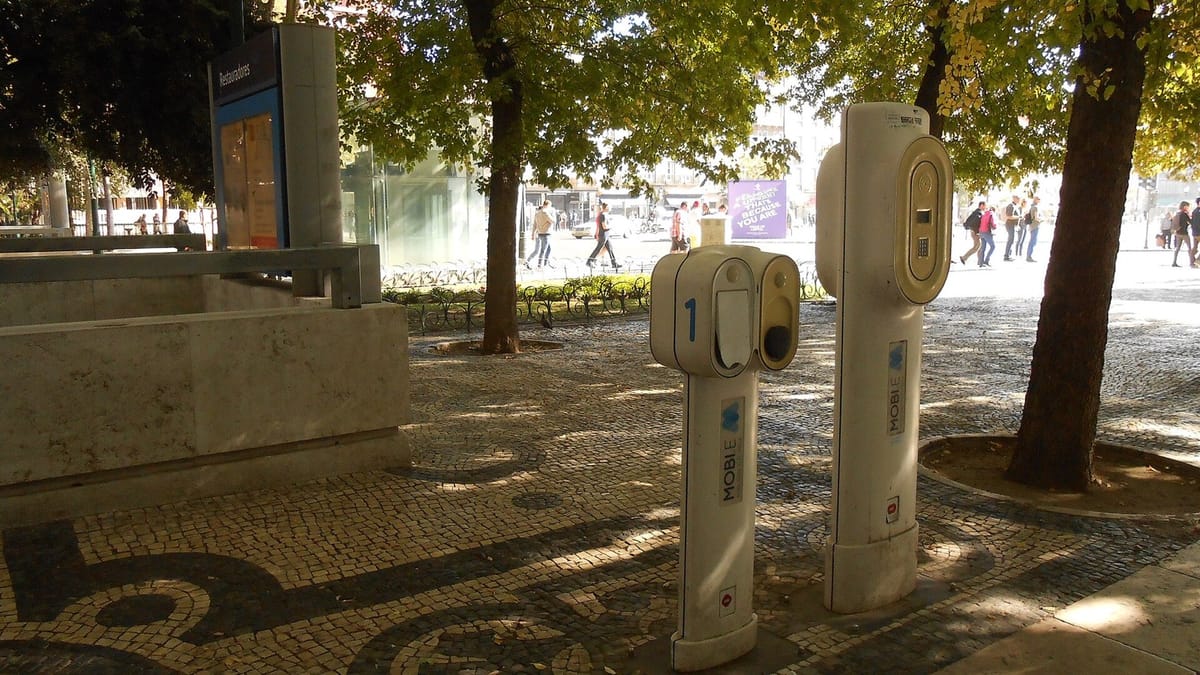
Of the 19,589 new passenger cars registered in Portugal in September, 9,338 were fully electric. That is 47.7 percent of the month, according to figures published on 1 October by ACAP (Associação Automóvel de Portugal, the Portuguese Automobile Association), which compiles them from registrations recorded by the AT (Autoridade Tributária, the Tax and Customs Authority).
The jump came in a single month. In August, battery electric cars (BEVs) took 36.1 percent of the market. For the year to the end of September they account for 29.0 percent, up from 26.8 percent at the end of August.
A growing market, but not for everyone
The overall car market was strong. Passenger car registrations rose 15.2 percent on September 2025, and the January to September total of 188,912 cars is 10.1 percent above the same period last year. Counting vans and heavy vehicles, 23,294 vehicles were registered in the month, up 13.4 percent.
Almost all of that growth was electric. BEV registrations rose 87.4 percent on a year earlier. Working back from ACAP's own growth rates, that is roughly 4,350 more electric cars than in September 2025, while the market as a whole added about 2,590. On that arithmetic, every other kind of car sold about 1,750 fewer units than a year before.
Hybrids, which had been the main alternative to pure combustion engines, have stalled. Plug-in hybrids (PHEVs) fell 3.0 percent to 3,022, and conventional hybrids (HEVs) were flat at 3,446. Together, every electrified type made up 80.7 percent of the month's cars.
That leaves very little for the fuels most drivers in Portugal still use. ACAP's breakdown by energy type shows 2,004 new petrol cars in September (10.2 percent of the market) and 530 diesel cars (2.7 percent). Cars running on LPG and petrol took another 1,249, or 6.4 percent. Over the first nine months, diesel accounts for just 3.5 percent of new cars.
One brand in seven
The single biggest contributor was Tesla. It registered 2,749 cars in September, all of them electric, against 1,204 a year earlier: a rise of 128 percent and a 14.0 percent share of the month. Its extra 1,545 cars account for well over half of the market's total growth.
Tesla's sales are lumpy. Its Model 3 was the best-selling car of June, yet the brand stands only ninth for the year, with 9,261 cars. The rankings for the year still belong to the established brands: Peugeot (16,979), Mercedes-Benz (14,210), Dacia (12,334), BMW (11,762) and Volkswagen (10,967).
Several of those are losing ground. In September Peugeot fell 18.8 percent, Renault 10.4 percent and Dacia 6.7 percent. Newer Chinese entrants are moving the other way: Leapmotor registered 331 cars, against 25 a year earlier.
Vans and lorries
Light commercial vehicles rose 4.7 percent to 2,834, and 782 of them were electric, more than double the figure for September 2025. Heavy vehicles grew 3.9 percent in the month and 33.8 percent for the year. Only four electrified heavy vehicles were registered in September, down from 19 a year earlier.
What to keep in mind
Two caveats apply. First, since January 2025 ACAP's figures include new cars brought in and registered by importers who are not the brand's official representative, so its year-on-year comparisons are adjusted for that. Second, the numbers count registrations, not cars on the road: Portugal's fleet changes far more slowly than its showrooms.
Still, the shift has consequences beyond the forecourt. Electric cars pay no fuel tax, and the transport regulator has already warned that the switch is eroding the money that pays for roads. With the 2027 State Budget due next week, how electric cars are taxed is likely to be one of the questions it has to answer.