Maths Will Be Compulsory to Year 12 on Every Secondary Course From 2028/29, With the New Curriculum Out for Consultation in December
The Education Minister told MPs that Mathematics will be part of a common core in Years 10 to 12 on every course. The new secondary curriculum goes to consultation in December and would apply from 2028/29; a count of pupils without lessons follows on 14 December.
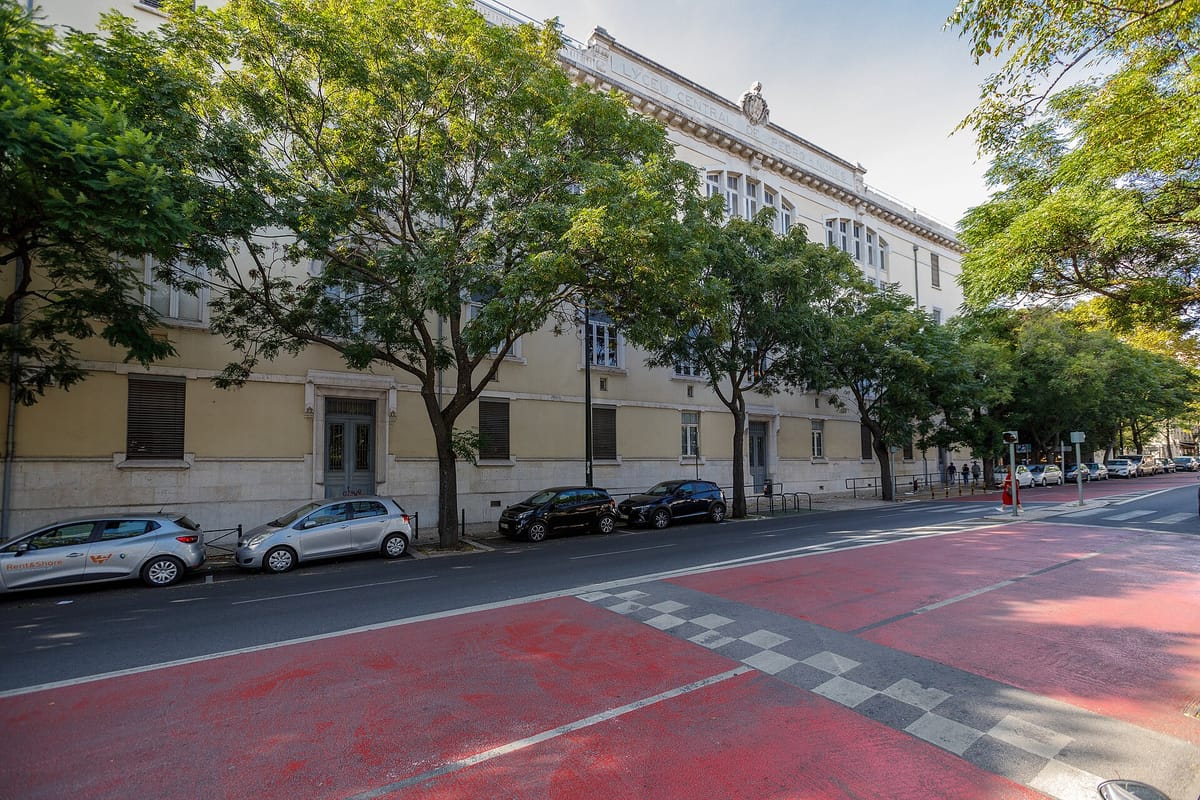
Mathematics will become a compulsory subject in Years 10, 11 and 12 for every pupil in secondary school, whatever course they choose. The Minister of Education, Science and Innovation, Fernando Alexandre, announced the change to MPs on Wednesday evening, 4 November, at a parliamentary hearing on the 2027 State Budget, as RTP and Público reported.
"We will have a common core in which Mathematics will be compulsory from Year 10 to Year 12," the minister said, adding that this part of the plan "is already settled". After that core, he said, pupils "will have a flexible path in which they can make choices, including in vocational education".
When it would apply
The change belongs to a new curriculum framework for secondary education, the matriz curricular, which sets the subjects on each course and the hours given to each. According to the minister:
- the draft framework goes out to public consultation in December (RTP reported "by the end of 2026");
- it would take effect in the 2028/2029 school year.
Público reported that secondary education is to be organised from Year 7 to Year 12, in two stages. The minister gave few details beyond the common core. The idea, he said, is that pupils should be able to take subjects from other courses, including vocational ones. A pilot of this kind of flexibility has run in some schools since 2024, Público noted, under a pedagogical innovation project that lets pupils take subjects outside their own course.
The Education budget's explanatory note to parliament had already flagged a review of the secondary curriculum, without saying what it would contain, according to Público.
Primary school and the "essential learning" documents
Two other consultations are on the way, the minister said:
- Merging the first and second cycles (Years 1 to 4 and Years 5 and 6) into a single six-year stage, a measure already in the Government's programme. The proposal goes to public consultation this year, and the new structure will be tested in some schools in a pilot running through the 2027/2028 school year.
- New Aprendizagens Essenciais (essential learning), the documents that set what pupils should know in each subject and year. They are meant to give "greater detail" on the knowledge and level of performance expected, the minister said, and will go to consultation in a second phase.
For context, the latest national tests showed maths results edging up in Years 4 and 6 this autumn, and the Government has already promised to bring financial literacy into the curriculum.
A count of pupils without lessons
The minister also said a "dashboard of pupils without lessons" will be presented on 14 December. It will be built from the lesson summaries teachers record, part of a joining-up of the ministry's information systems that has 60 million euros in the 2027 budget. "We will now be able to know what actually happened in the classroom, who gave the lesson, whether it was overtime or whether there was no lesson," he said, as quoted by Público.
Teachers and the budget
The Education budget for 2027 is about 7,788 million euros, the minister told MPs, 364 million more than in 2026 without counting EU recovery funds, a rise of 5 percent. He said there were 3,000 new teachers in the system since September, after 5,500 the year before.
By his count, 255 teaching timetables have been unfilled since 4 September, 164 of them full timetables. Of those, 83 are in the first cycle (Years 1 to 4), and most sit in the teacher-placement zones covering Greater Lisbon and the Setúbal peninsula. That compares with the 664 timetables without a teacher reported at the end of September.
Opposition MPs from Chega and Livre criticised the +Aulas +Sucesso plan to cover classes, saying close to half of it pays for overtime by the same teachers. The minister replied that many younger teachers are glad of the extra hours and that real overload is limited to "a small group" of school clusters.