Iberdrola Pays 107,200 Euros to ERSE After Switching Customers Without Consent and Running Short of Gas Reserves, and Wronged Clients Get 50 Euros Each
ERSE closed its case against Iberdrola's Portuguese retailer on 2 November. The company admitted switching customers without express consent, short gas reserves, bill errors, slow phone answering and late compensation, and settled for half the fine.
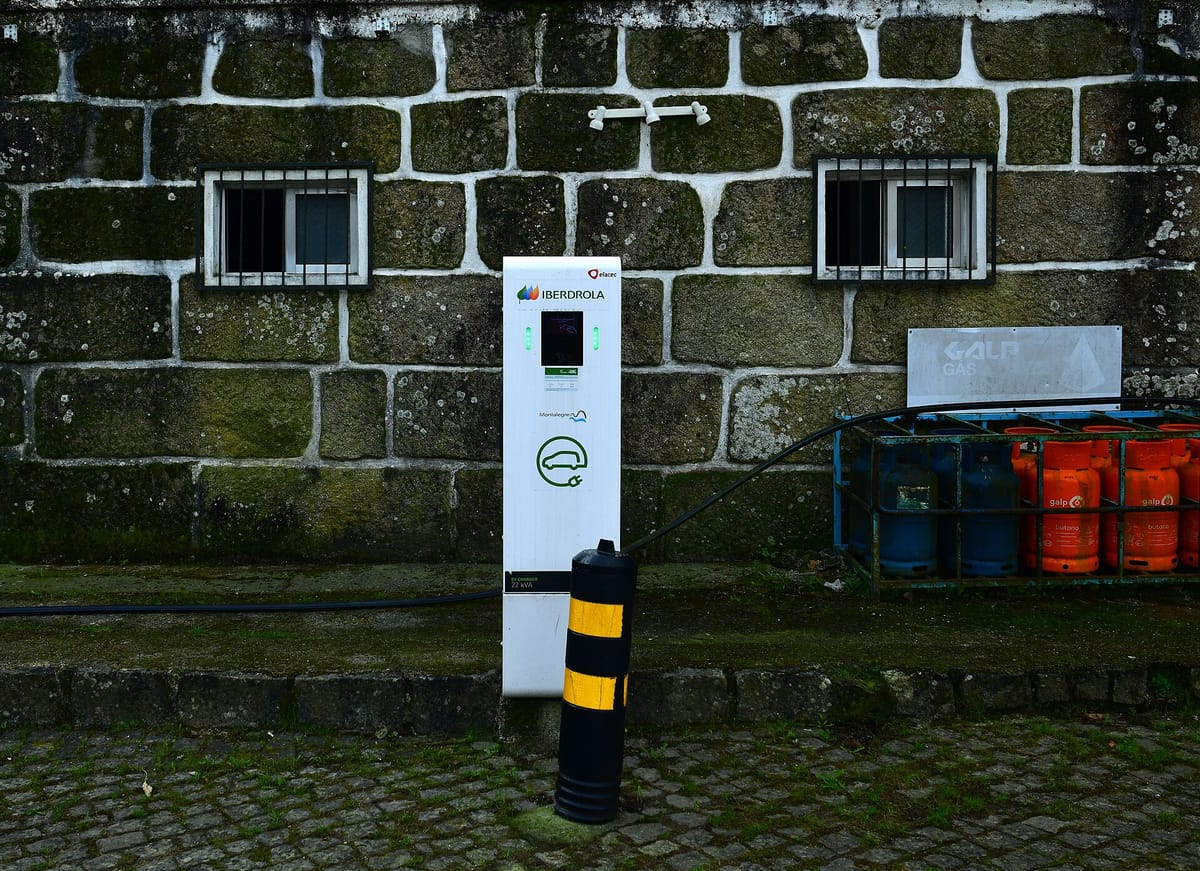
Portugal's energy regulator, the Entidade Reguladora dos Serviços Energéticos (ERSE, Energy Services Regulatory Authority), has fined Iberdrola Clientes Portugal, the Spanish group's electricity and gas retailer, a total of 107,200 euros. The offences range from switching customers to Iberdrola without their express consent to falling short of the natural gas reserves a supplier must hold. ERSE closed the case, process n.º 4/2024, on 2 November, and has published the decision on its sanctions page (Portuguese only).
Iberdrola settled. On 14 August it put forward a settlement proposal in which it fully admitted the facts and offered to pay voluntarily. ERSE accepted, and found that the company had acted negligently.
What ERSE found
The decision lists these breaches by Iberdrola as a market supplier of electricity and gas:
- Switching without consent: four light offences in electricity and one in gas, for moving customers to Iberdrola without their express authorisation.
- Gas security reserves: one "very serious" offence, for failing to build up and keep the natural gas security reserves it was obliged to hold, for the whole of January 2023 (31 days). The breach was found in an inspection by ENSE (Entidade Nacional para o Setor Energético, the National Entity for the Energy Sector).
- Wrong figures on bills: two serious offences. On low-voltage electricity bills issued in December 2022, it showed three customers an incorrect figure for the difference between their price and the regulated price, and gave one customer contradictory information about the network access tariff under the social tariff.
- Phone wait times: two light offences, for missing the general standard of answering 85 percent of phone calls in under 60 seconds in both 2023 and 2024.
- Final bill after switching: one light offence, for not sending a customer the final settlement bill within six weeks of the customer moving to another supplier.
- Late compensation: two light offences, for not paying customers the compensation they were owed within the maximum of 45 days from the event that gave rise to it.
- Website information: one light offence, for not showing clearly on its website the contacts of consumer organisations, energy agencies and similar bodies where customers can find energy-efficiency information.
The case drew on several strands: an ERSE inspection of suppliers' low-voltage bills on 26 January 2023; ENSE's check of the gas reserves; ERSE's commercial service quality reports for 2023 and 2024; and requests for information and complaints from customers between January 2022 and the end of 2023, including complaints that Iberdrola had switched people without their express consent. ERSE issued its formal statement of charges on 23 June 2026.
How the fine was set
ERSE set a single fine of 200,000 euros for the breaches of the energy sector's sanctions regime and then halved it to 100,000 euros. The regulator gave four reasons: Iberdrola's economic situation, its cooperation, the correction of every breach, and the individual compensation of 50 euros it granted to each customer harmed. A further 7,200 euros was paid voluntarily for breaches of the separate economic offences regime, bringing the total to 107,200 euros.
What the case says about your rights as a customer
The rules Iberdrola broke apply to every electricity and gas supplier:
- a supplier may not move you onto its contract without your express authorisation;
- after you switch, your old supplier must send the final settlement bill within six weeks;
- compensation you are owed under the service quality rules must be paid within 45 days;
- your electricity bill must show the difference between your price and the regulated price for the equivalent tariff option.
That last line is the one to check if you are weighing a return to the regulated tariff: an ERSE study found last month that free-market electricity has cost households more than the regulated tariff since mid-2023, although cheaper offers were available.
ERSE does not name the customers involved or say how many received the 50 euros. Customers who believe they were switched without consent, or who are owed compensation, can complain to the supplier and to ERSE.