Mainland Portugal Enters Meteorological Drought After Its Driest July of the Century
The whole of mainland Portugal has entered meteorological drought after the driest July so far this century, IPMA data show, with rainfall under 8% of normal, a heat wave among the fiercest since 1981 and 44.3C recorded at Mora. Here is what it means as the fire season peaks.
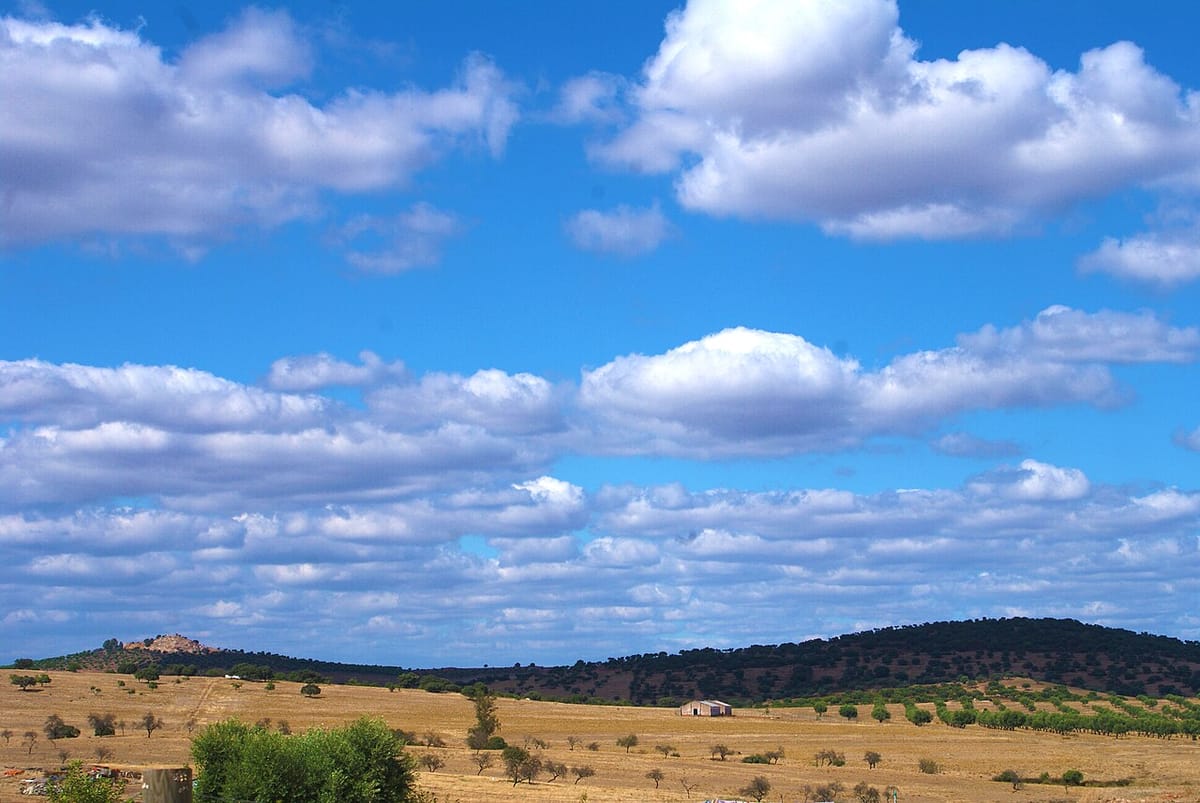
All of mainland Portugal is now in meteorological drought. According to the July climate summary from the IPMA (Instituto Português do Mar e da Atmosfera — Portugal's weather and sea authority), the country closed last month bone-dry after receiving less than 8% of the rainfall a normal July delivers, making it the driest July so far this century.
The turnaround was fast. At the end of June, drought conditions were confined to a strip of the northern coast and to areas south of Coimbra. Four weeks later, the entire continental territory had slipped into seca meteorológica — the deficit that builds when precipitation runs well below the long-term average over a run of weeks.
The numbers behind a parched month
- Rainfall: the July total averaged under 8% of the 1991–2020 normal, IPMA's preliminary reading shows — the lowest for the month since at least 2000, and the eighth-driest July in records that begin in 1931.
- Average temperature: 24.04°C, or 1.41°C above the reference normal, ranking as the seventh-warmest July since 1931.
- Daytime heat: the mean maximum reached 31.46°C, almost 2°C above normal and the sixth-highest on record.
- Peak reading: 44.3°C at Mora, in the Alentejo, on 3 July.
- Records broken: new local highs were set at five weather stations for minimum temperatures and at two for maximum temperatures.
Much of the damage was done in a single stretch. A heat wave running from 29 June to 11 July was, by IPMA's measure, the most intense and the second most geographically widespread since 1981. Between 3 and 5 July, maximum-temperature anomalies climbed more than 8°C above what the calendar would predict.
What "meteorological drought" actually means
The label is narrower than it sounds. Meteorological drought tracks the shortfall in rainfall against the historical norm; it is the first domino, not the last. Sustained precipitation deficits feed into seca agrícola (agricultural drought), as soils dry out and crops suffer, and eventually into seca hidrológica (hydrological drought), when reservoirs, rivers and groundwater run low. A dry July on its own does not empty a dam, but stacked on top of the heat it hardens the ground, stresses summer crops and, most immediately, primes the landscape to burn.
That fire risk is the sharpest edge. Portugal's most dangerous weeks for rural fires run through August and into September, and a countryside starved of rain and baked by repeated heat spells gives flames more to work with. The dryness also revives the perennial questions over irrigation, reservoir management and water use in the Alentejo and Algarve, where farming and tourism compete for a shrinking margin during the peak season.
What this means for you
- Fire vigilance is not optional. With vegetation tinder-dry, expect heightened rural-fire alerts, access restrictions to forest areas on the worst days, and bans on outdoor burning. Follow warnings from the ICNF and Proteção Civil, and know the emergency number, 112.
- Water restrictions can arrive with little notice. Municipalities in the driest districts may limit non-essential use — filling pools, watering gardens, washing cars. If you own property, factor this into summer planning.
- Gardens and land carry a legal duty. Owners are responsible for clearing vegetation around buildings under Portugal's fire-prevention rules; a drought year makes enforcement and fines more likely, not less.
- Farmers and smallholders feel it first. If you grow anything commercially — vines, olives, pasture — a rainfall deficit this deep can shape yields and water-allocation decisions for the rest of the season.
- The heat is a health issue too. Repeated spells above 40°C in the interior strain the vulnerable; the DGS (Direção-Geral da Saúde — health authority) issues heat advisories worth heeding, especially for older residents and young children.
One dry month does not settle Portugal's water year — a wet autumn can still reset the balance. But entering August with the whole mainland already in deficit, on the back of the century's driest July, leaves the country with no margin to spare just as its most flammable weeks begin.