Lisbon's 18 Councils Approve Navegante Tickets for Visitors, at 15 Euros for One Day and 37.50 Euros for Five
The Lisbon Metropolitan Council backed one, three and five-day Navegante tickets and an events ticket. TML will run them; no sale date has been set yet.
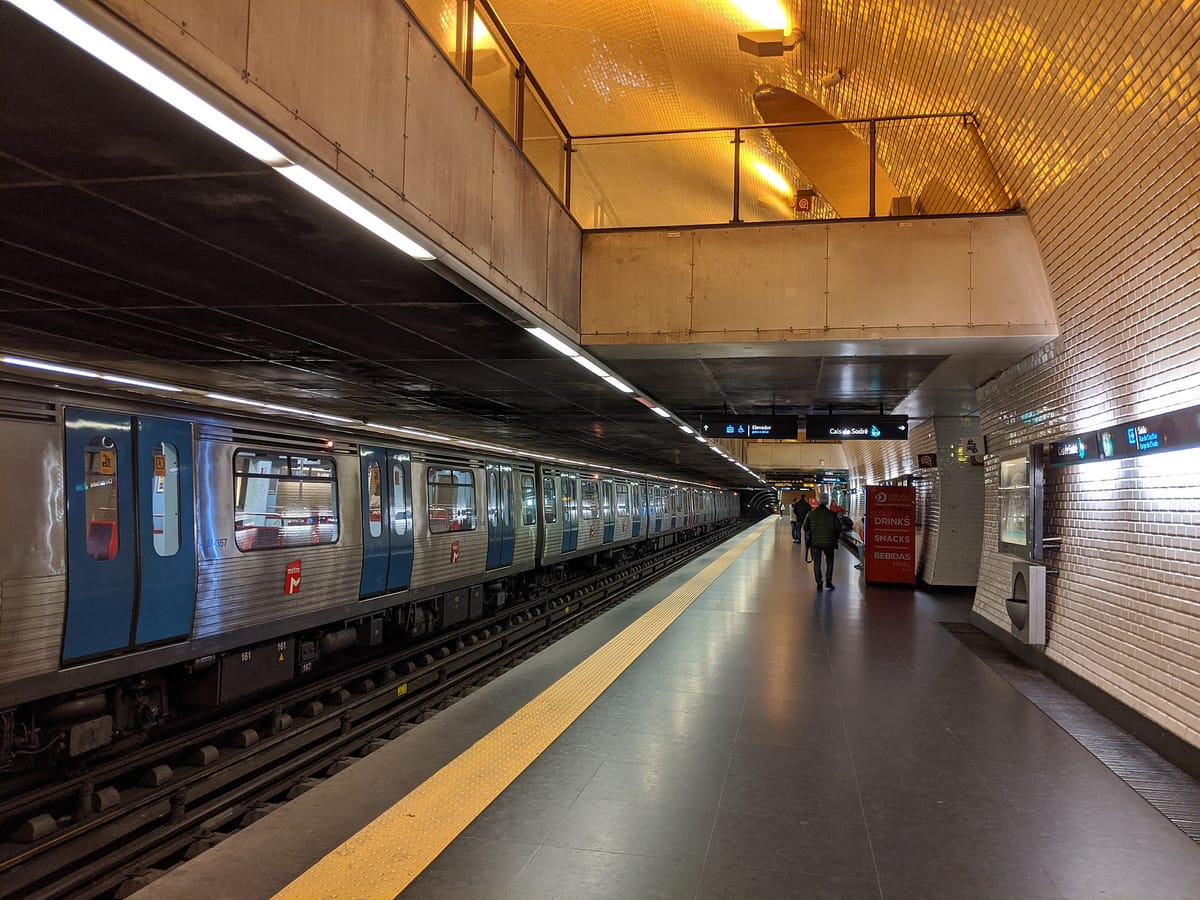
Visitors to Greater Lisbon will be able to buy a single Navegante ticket for one, three or five days of travel. The 18 councils of the Área Metropolitana de Lisboa (Lisbon Metropolitan Area, AML) voted unanimously on Thursday 24 September to let Transportes Metropolitanos de Lisboa (TML), the transport authority the AML owns, create and run the new tickets.
The prices in the AML's statement are 15 euros for one day, 27 euros for three days and 37.50 euros for five days. A fourth ticket, "Navegante eventos", is meant for big events and will cost more or less depending on how many days an event runs. The AML says no date has been set for the tickets to go on sale.
What was approved
The decision was taken at the Conselho Metropolitano de Lisboa (Lisbon Metropolitan Council), the AML's deliberative body, which brings together the mayors of all 18 councils, from Cascais and Sintra to Setúbal and Vila Franca de Xira. It is chaired by Carlos Moedas, the mayor of Lisbon.
The four tickets are:
- Navegante 1 dia (one day): 15 euros.
- Navegante 3 dias (three days): 27 euros, which works out at 9 euros a day.
- Navegante 5 dias (five days): 37.50 euros, or 7.50 euros a day.
- Navegante eventos (events): valid for a number of consecutive days that will be fixed when each ticket is put on sale, with the price varying by the length of the event.
The AML's statement uses the word "should" for the three fixed prices, so they could still move before the tickets reach the market. It does not list which operators or lines each ticket will cover, and it does not say where the tickets will be sold. Those details will come from TML when the tickets launch.
Why the councils want them
The proposal was presented by Emanuel Costa, the AML's first metropolitan secretary. He said it followed "an initiative of the operators" and fits a shared view at the AML and TML of public transport as "the natural gateway for those who visit the region, and not only a service designed for residents and regular users".
Costa described the idea as "an inclusive public transport" that uses collective mobility "as a way to better manage the growth of tourism and of large events in the region".
How the money is shared
All the revenue from the new tickets goes to the transport operators. It will be divided every month in proportion to the number of journeys made on each operator while each ticket was valid. A visitor who spends three days mostly on the metro and one ferry crossing would, in effect, send most of that fare to the metro.
What it means if you live here
Nothing changes for residents. The new tickets sit alongside the monthly Navegante passes, which are the better buy for anyone who travels regularly. Our guide, Getting a Navegante Pass in Lisbon, explains which monthly pass to choose, and Public Transport Passes in Portugal covers the rest of the country.
For visiting friends and family, the multi-day tickets should make a short stay simpler: one ticket instead of a stack of single fares. Whether they are cheaper will depend on which lines they cover and how much a visitor travels, which the AML has not yet set out.
The vote comes as some operators look for more money from visitors in other ways. Transtejo's chair said this week that more than 90 percent of single tickets on the Cacilhas ferry are sold to tourists, and that he will seek a higher single fare.
The same meeting on the Volta deposit scheme
At the same session, the 18 councils agreed unanimously that the Volta deposit-return system for bottles and cans needs an "urgent" review. In a separate statement, the AML said that, as it stands, "the system is not working", citing street cleanliness, social effects, damage to municipal equipment, gaps in the network of return points and the running costs borne by councils.
The councils want a review involving the Government, the councils, the scheme's managers, businesses and consumer representatives. Lisbon's mayor had already asked the Government to scrap the scheme outright earlier this month. This time all 18 councils signed up to a call for a redesign.