Lisbon Court Gives AIMA Seven Days to Answer for Deporting a 19-Year-Old Honours Student
A Lisbon court has ordered the immigration agency AIMA to respond within a week after Kauê Matos, a 19-year-old Brazilian honours student, was deported following a two-year wait on a residence application. He was held four days in the airport's international zone before being expelled without a judi
A Lisbon court has given Portugal's immigration authority seven days to explain how a 19-year-old student ended up deported to Brazil after the state took two years to decide on his family's residence application. The Tribunal Administrativo de Círculo de Lisboa (Lisbon Administrative Circuit Court) accepted an injunction brought on behalf of Kauê Matos and ordered the Agência para a Integração, Migrações e Asilo (Agency for Integration, Migration and Asylum, or AIMA) to respond, in a case that has become a lightning rod for the agency's chronic backlog.
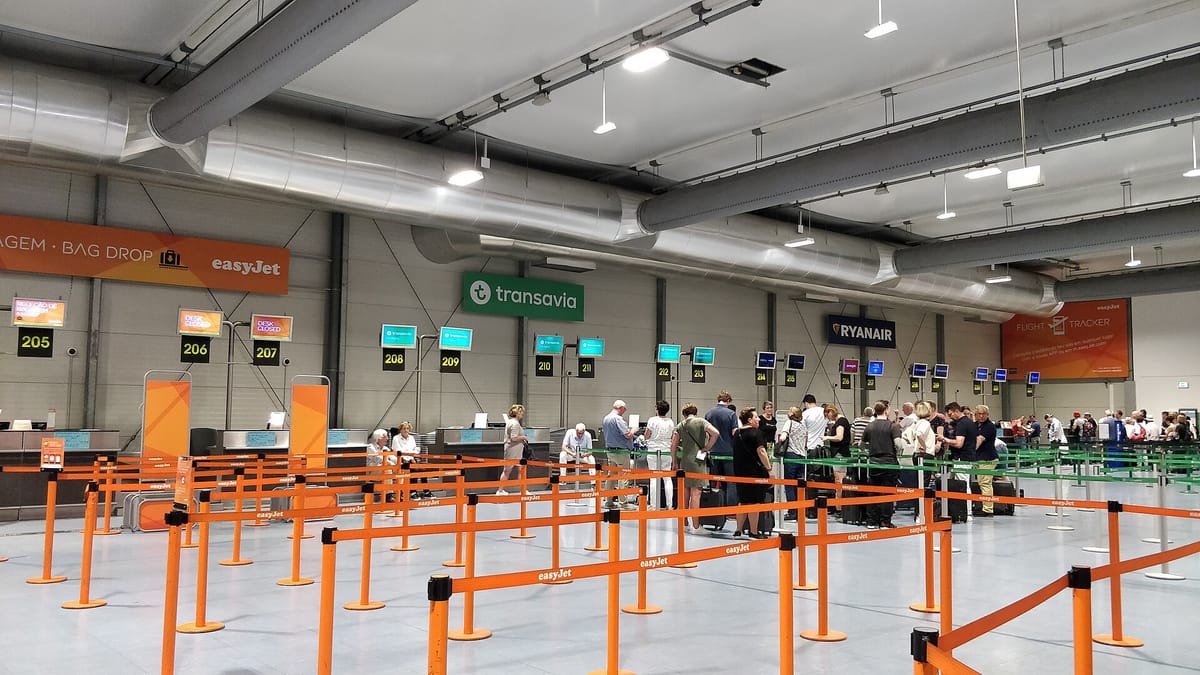
The facts, as set out by the family's lawyers and Portuguese media, are stark. Matos, described as an honours student with a 18.5 grade average out of 20, was returning from a school placement in Ireland when he was stopped at Lisbon's Humberto Delgado Airport. Because his residence permit had never been issued, he was held for four days in the airport's international zone — sleeping, his parents say, on a mattress on the floor — before being expelled to Brazil without a judge ever ruling on his case.
At the heart of the dispute is time. Under Portuguese rules, AIMA is meant to decide a residence application within 90 working days. In Matos's case, the family says, the wait stretched to roughly two years, leaving a young man who had built his life and schooling in Portugal without the document that would have let him travel and return freely. His parents accused the authorities of "inhumanity," and the case has drawn attention precisely because the applicant was, by any ordinary measure, exactly the kind of integrated young resident the system is supposed to protect.
The court's order does not, by itself, bring Matos home. It requires AIMA to come forward within a week and account for its handling of the file, a procedural step that can pave the way for the residence request finally to be scheduled and decided. But it lands as a symbol of a far larger problem: AIMA inherited an enormous caseload when it replaced the former Serviço de Estrangeiros e Fronteiras (Immigration and Borders Service, or SEF) in 2023, and hundreds of thousands of pending decisions have since spilled into the courts.
Reports put the number of AIMA-related cases now in litigation at around 200,000 — a figure that captures how routinely applicants have been forced to sue the state simply to obtain a decision they are legally entitled to. Each of those files represents someone whose ability to work, study, rent a home, open a bank account or cross a border can hinge on a document trapped in a queue.
For Portugal's large foreign community — including the tens of thousands of Brazilians who make up its single biggest immigrant group — the Matos case is a warning about how administrative delay can harden into something closer to injustice. The government has repeatedly promised to clear the backlog, most recently pairing tougher entry rules with pledges of faster processing for those who arrive with a job and a home. Cases like this one suggest how far there is to go. AIMA now has seven days to answer to the court; the family is waiting for far more than that. On the Portuguese identity-document and registry-security tape, our report on the overnight theft of 500 citizen cards, 200 passports and two official dry seals from the Chaves registry office, and what it means for anyone with a document waiting at a counter sets the latest reference. On the mechanics of taking a Portuguese public body to court, our guide to the providência cautelar, the urgent administrative injunction that carries a 48-hour first order, an automatic freeze on executing a suspended act, and a 306 euro court fee sets the latest reference.