Appeal Judges Tell AIMA a Schengen Alert Alone Is No Reason to Refuse a Residence Permit, but Their Own Court Is Split
TCAS rulings say AIMA must learn why an SIS alert was issued and weigh the applicant's life in Portugal before refusing a permit. A January decision reads the rules narrowly. Since September, a refusal itself creates a one-year SIS alert.
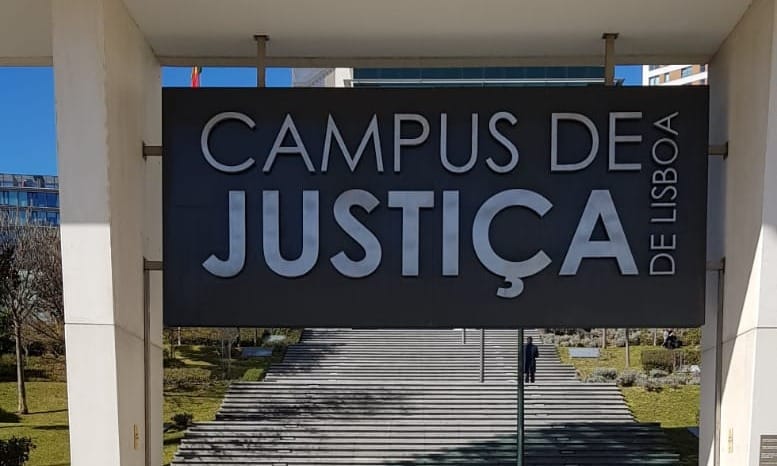
The Tribunal Central Administrativo Sul (Central Administrative Court of the South, TCAS), the appeal court for most administrative cases in southern Portugal, has ruled more than once this summer that AIMA, the immigration agency, cannot refuse a residence permit simply because the applicant has an alert in the Schengen Information System (SIS). Before deciding, AIMA has to find out why the alert was issued and weigh the applicant's own situation.
The rulings matter more now than when they were handed down. Público reported on 18 October that AIMA has sent more than 50,000 notices to leave the country since the start of 2025, and that court challenges against the agency have soared. Since 11 September, a refusal also puts the person into the SIS for a year. But the case law is not settled: another TCAS judgment from January reads the same rules much more narrowly.
What the court decided
The clearest case is case 108/26.2BEBJA-A.CS1, decided on 15 July 2026 (in Portuguese only). An Indian citizen had filed a manifestação de interesse (expression of interest, the old route to regularise through work) with the former border service, SEF, in September 2021. Security checks found an alert issued by Austria in August 2023, valid until August 2026, recording that he was subject to a return decision there. He said it related to an asylum claim he had made in Austria before coming to Portugal and that he had no criminal record. In September 2025 AIMA proposed to refuse his permit because article 77(1)(i) of the Lei de Estrangeiros (Foreigners Act, Law 23/2007) lists "ausência de indicação no SIS" (no SIS alert) among the general conditions for residence. It then refused the permit and told him to leave voluntarily. The Beja administrative court backed AIMA. The TCAS overturned that decision, by a majority of two judges to one.
The ruling's summary makes four points:
- An SIS alert "não determina inelutavelmente" (does not automatically mean) that the permit must be refused, because refusal is not a decision the law forces on AIMA.
- AIMA has to know "as razões e motivos da indicação" (the reasons for the alert) and look at the applicant's individual situation. In particular, it must consider whether the alert concerns no more than overstaying a permitted stay, or whether the person could qualify under the exceptional grounds of article 123 of the Foreigners Act.
- If AIMA is considering granting the permit despite the alert, it must first consult the country that issued it, under article 77(6) of the Act and article 9 of EU Regulation 2018/1860 on the use of the SIS for returns.
- A refusal issued without those checks is invalid.
The court did not order AIMA to grant the permit. It ordered the agency to look at the application again and do the checks it had skipped, because granting residence is a judgment for the administration, not for the court.
The same judge wrote a ruling in identical terms the same day, in case 493/25.3BEBJA-A.CS1, with the same outcome. Público counts at least five TCAS judgments that have halted AIMA decisions telling foreign nationals to leave.
Why it is not the last word
The third judge on the July panel, Ricardo Ferreira Leite, dissented. In his view, consulting the issuing country is only required where Portugal is already minded to grant the permit despite the alert, for example under article 123. He also held that the applicant had never asked AIMA to treat his case under that article or given it facts to weigh, so the court could not now require AIMA to investigate. He noted that the man had been told he could ask for more time to leave, on grounds such as length of stay, children at school and family ties, and had not done so.
A summary decision by another TCAS judge, Joana Costa e Nora, on 26 January 2026 (case 819/25.0BELRA.CS1) goes further. It holds that the prior consultation protects the interests of the Schengen states, not those of the applicant. It also says AIMA does not have to look into the "gravity" of the facts behind an alert on its own initiative unless the applicant has raised them, and that the consultation is not a way for applicants to find out why they were flagged.
The administrative courts' governing council told Público that only a ruling of the Supremo Tribunal Administrativo (Supreme Administrative Court) sitting in full would bind other courts. Until there is one, the outcome of a challenge can depend on which judges hear it.
Why the stakes are higher since September
Law 62/2026, in force since 11 September, rewrote article 138 of the Foreigners Act. Its main changes:
- A foreign national told that a residence application has been refused, or that a visa or permit has been cancelled, now has a "dever de abandono do território nacional" (duty to leave Portugal) within a set period of 20 to 30 days. This replaces the old notice to leave voluntarily, which Público describes as giving 10 to 20 days.
- The period can be extended by the national director of the PSP (Public Security Police), taking into account how long the person has lived in Portugal, children at school, and family and social ties.
- The duty to leave is recorded in the SIS "enquanto indicação de regresso, por um período de um ano" (as a return alert, for one year).
That last point links back to the rulings. A refusal in Portugal now creates exactly the kind of SIS alert that AIMA has treated as grounds to refuse. Público also notes that challenging a refusal does not necessarily suspend the duty to leave, which is why many people go to court for an injunction.
Público gives the figures for that trend, from AIMA and from the Conselho Superior dos Tribunais Administrativos e Fiscais (the administrative courts' governing council). AIMA sent 23,000 notices to leave in 2025 and 27,000 in 2026 up to September. Injunctions against AIMA at the Lisbon administrative court rose from 6 in 2024 to 480 in 2025 and 1,453 in 2026 up to September. We reported the start of that climb in May.
What this means if AIMA cites an SIS alert
This is general information, not legal advice. The rulings point to some practical lessons:
- Answer the draft refusal. AIMA sends a projeto de decisão (draft decision) and gives you a deadline to reply, 10 working days in the July case (the audiência prévia, or prior hearing). Both sides of the split agree that what you say at this stage counts. Explain where the alert comes from if you know, and set out your ties to Portugal: work, years of residence, children at school and family here. If you think article 123 (exceptional grounds) applies, ask AIMA in writing to consider it.
- If you are told to leave, ask for more time where your circumstances justify it. Article 138(3) lists the grounds, and the dissenting judge counted the failure to ask against the applicant.
- Get a lawyer quickly. Deadlines are short, and a court challenge on its own may not stop the duty to leave. If you cannot afford a lawyer, you can apply to Social Security (Segurança Social) for legal aid (proteção jurídica), and the Ordem dos Advogados (Bar Association) lists lawyers.