Lisbon and Porto Retreat a Tier in the Shanghai Ranking, Trimming Portugal to Six Universities in the World's Top 1,000
The 2026 Shanghai Ranking leaves Portugal with six universities in the world's top 1,000, one fewer than last year. Lisbon and Porto both slipped from the 201-300 band to 301-400; Coimbra was the only riser, and Beira Interior dropped out of the table entirely.
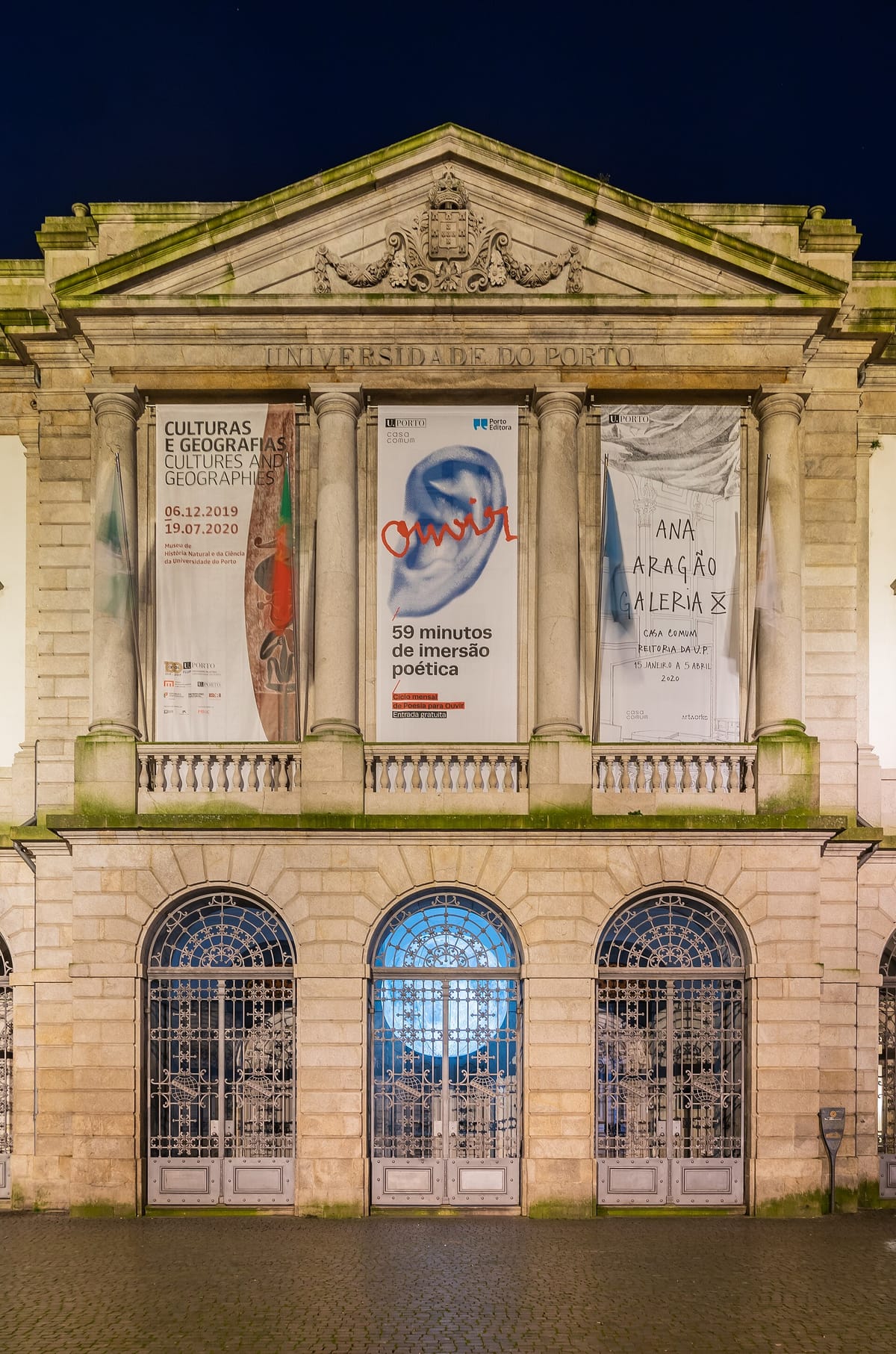
Portugal has lost ground in the world's most closely watched league table of universities. The 2026 edition of the Academic Ranking of World Universities (ARWU), better known as the Shanghai Ranking after the city where it is compiled, was published over the weekend, and it leaves the country with six institutions among the global top 1,000 — one fewer than in 2025.
The two flagships slipped in tandem. The University of Lisbon (Universidade de Lisboa) and the University of Porto (Universidade do Porto), which had shared the 201–300 band a year ago, both dropped to the 301–400 group. That still leaves them as the country's best-placed universities, but a tier lower than the position they had held as recent high-water marks. It is a symbolic demotion for two institutions that between them enrol a large share of Portugal's students and carry most of its international research reputation.
Elsewhere the picture was mixed. The University of Coimbra (Universidade de Coimbra) was the only Portuguese riser, climbing from 501–600 to 401–500. The University of Aveiro moved the other way, from 401–500 down to 501–600. The Nova University of Lisbon (Universidade NOVA de Lisboa) held steady in the 701–800 range. The University of Minho fell sharply, from 501–600 to 801–900, and the University of Beira Interior dropped out of the top 1,000 altogether after sitting in the 901–1,000 band last year — the loss that accounts for the country's slide from seven ranked universities to six.
The methodology explains a lot of the movement. ARWU leans heavily on research heft rather than teaching or student experience: it counts highly cited researchers, papers published in Nature and Science, articles indexed in the main citation databases, and alumni or staff who have won Nobel Prizes and Fields Medals. That bias rewards large, research-intensive institutions and makes the rankings volatile for mid-sized universities, where the arrival or departure of a handful of star academics can swing a whole band. It also means the Shanghai table tells you more about a university's global scientific output than about what an undergraduate degree there is actually like.
The result lands at an awkward moment for a system that is otherwise reporting healthy demand. Applications to Portugal's public universities rebounded to a record this year, and institutions have been courting foreign talent — Lisbon's law faculty recently opened a fast-track immigration channel for international students and staff. Rising interest at home has not translated into rising standing abroad.
For foreign residents weighing where to send a child or enrol themselves, the ranking is a useful but partial signal. A place in the 301–400 band still puts Lisbon and Porto comfortably inside the world's top few percent of universities, and the Shanghai table says nothing about tuition, teaching quality or graduate employability. But league tables shape reputations, and reputations shape everything from research funding to the value of a diploma abroad — which is why a one-rung slip for the country's two best-known universities will be read as more than a rounding error. On what a Portuguese degree is actually worth in the labour market, our read on the EDULOG study putting numbers on Portuguese graduate outcomes: what the final mark is worth in salary, why the institution barely matters, and the fields where half the graduates are overqualified sets the latest reference. On how many of them actually finish, and how many now come from abroad, our report on the Francisco Manuel dos Santos Foundation's back-to-school analysis, which puts on-time completion of a Portuguese degree at 51 percent, first-year dropout at 30 percent of the intake, and foreign enrolment at 80,000, four times what it was fifteen years ago sets the latest reference.