After a Feared Collapse, University Applications Rebound to a Record 60,391 — More Candidates Than Public Places
Three weeks after an exam-marking meltdown left university applications looking like they might crash, the first phase closed with a record 60,391 candidates — the strongest demand since 1996 and more applicants than the 56,790 public seats on offer.
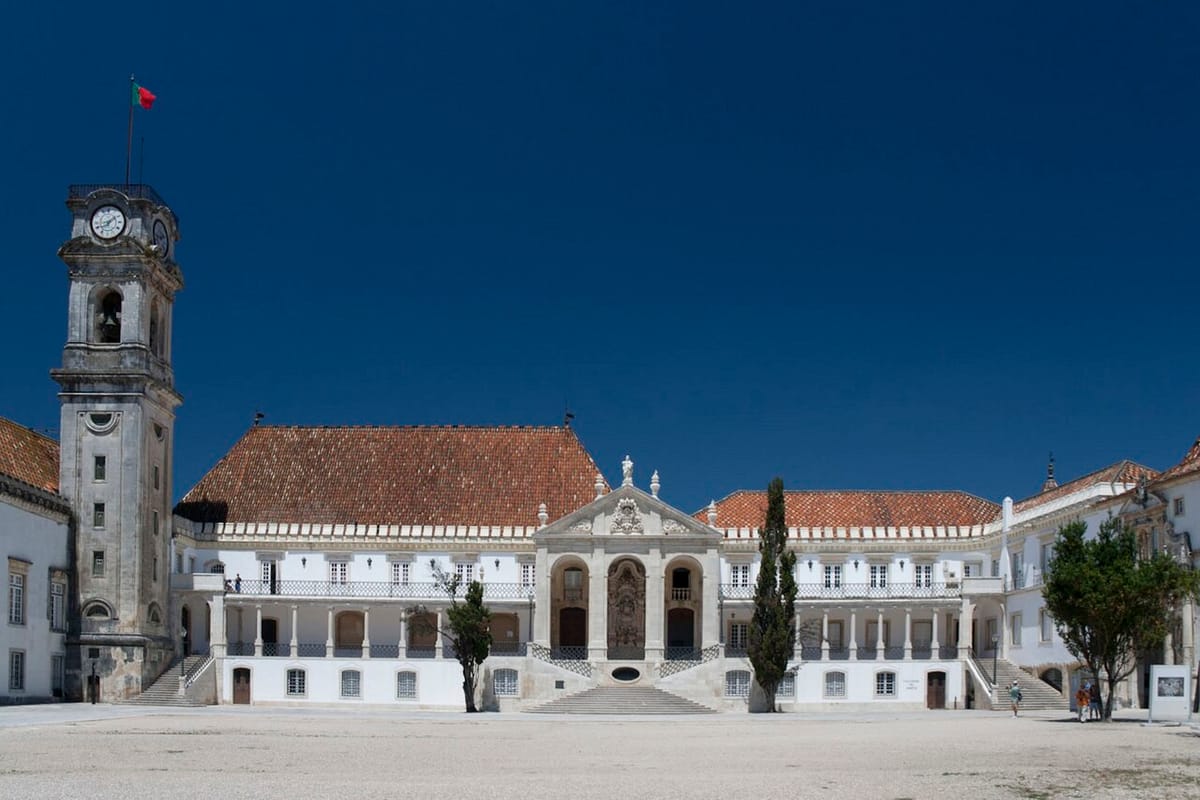
Three weeks ago, Portugal's university-application season looked like it was heading for a crash. When the online window for the Concurso Nacional de Acesso (National Access Competition) — the single, grades-based contest through which students win a place in the public higher-education system — opened on 20 July, just 304 candidates signed up on the first day, against roughly 10,000 a year earlier. The collapse had a clear cause: a national exam-marking meltdown had left many students without the final grades they needed to apply. By late July, applications were still running well below the 2025 pace.
They did not crash. By the time the window closed on 6 August, the first phase had drawn 60,391 candidates — up 21.8% on 2025, or 10,796 more students, according to figures released by the government. It is the strongest first-phase demand in three decades: the only years to beat it were the pandemic classes of 2020, 2021 and 2022, and before those you have to go back to 1996 to find a bigger field. A season that began looking like a boycott ended as a near-record.
More students than seats
That surge matters because it collides with a fixed ceiling. For 2026/27 the Directorate-General for Higher Education (Direção-Geral do Ensino Superior, DGES) opened 56,790 places in the general-access regime — 34,841 at universities and 21,949 at polytechnics. With 60,391 applicants chasing them, the first phase is, on paper, oversubscribed for the first time in years, and the competition for the most sought-after courses (medicine chief among them) will be fierce. Not every candidate is placed in the first round, and thousands who miss out will regroup for the second phase; the arithmetic guarantees that a meaningful number of students who applied will not get a public seat this month.
The late rush also vindicates the Education Ministry's decision, taken during the exam-marking crisis, to hold the calendar rather than postpone it, while adding a special September exam round as a safety valve. Placement results are due to be published on 23 August, with registration and enrolment at the chosen institutions running from 24 to 27 August. Analysts cited by ECO on 13 August expect the number of students actually placed to recover strongly despite the earlier grading chaos — the demand was simply deferred, not destroyed.
Why it matters beyond the classroom
For foreign residents, the Concurso Nacional is the gateway their teenage children will pass through if they finish Portuguese secondary school and want a public university place — and the same squeeze that raises the bar for Portuguese families raises it for theirs. The pressure is intensified from another direction: the number of international students in Portuguese universities has doubled over the past decade, most of them arriving through separate international and CPLP (Community of Portuguese Language Countries) quotas that sit alongside the national contest rather than inside it. A record domestic field, a capped supply of public seats and rising foreign demand are converging on the same lecture halls at once.
The headline number will keep moving — 60,391 is the first-phase field, not the final tally, and the second phase runs into September. But the direction is unmistakable: after a July that threatened to empty Portugal's universities of applicants, August has delivered one of the busiest access rounds in a generation. The question the 23 August results will answer is how many of those students the system can actually seat.