Household Waste Edges Up 1.9% Across Greater Porto as Lipor Turns 186,000 Tonnes Into Electricity
Total waste rose 1.9% across the eight municipalities Lipor serves in Greater Porto in the first half of 2026. The service sent 185,768 tonnes to energy recovery, generating 81,483 MWh for the grid — progress against landfill, but a sign of how much is still discarded.
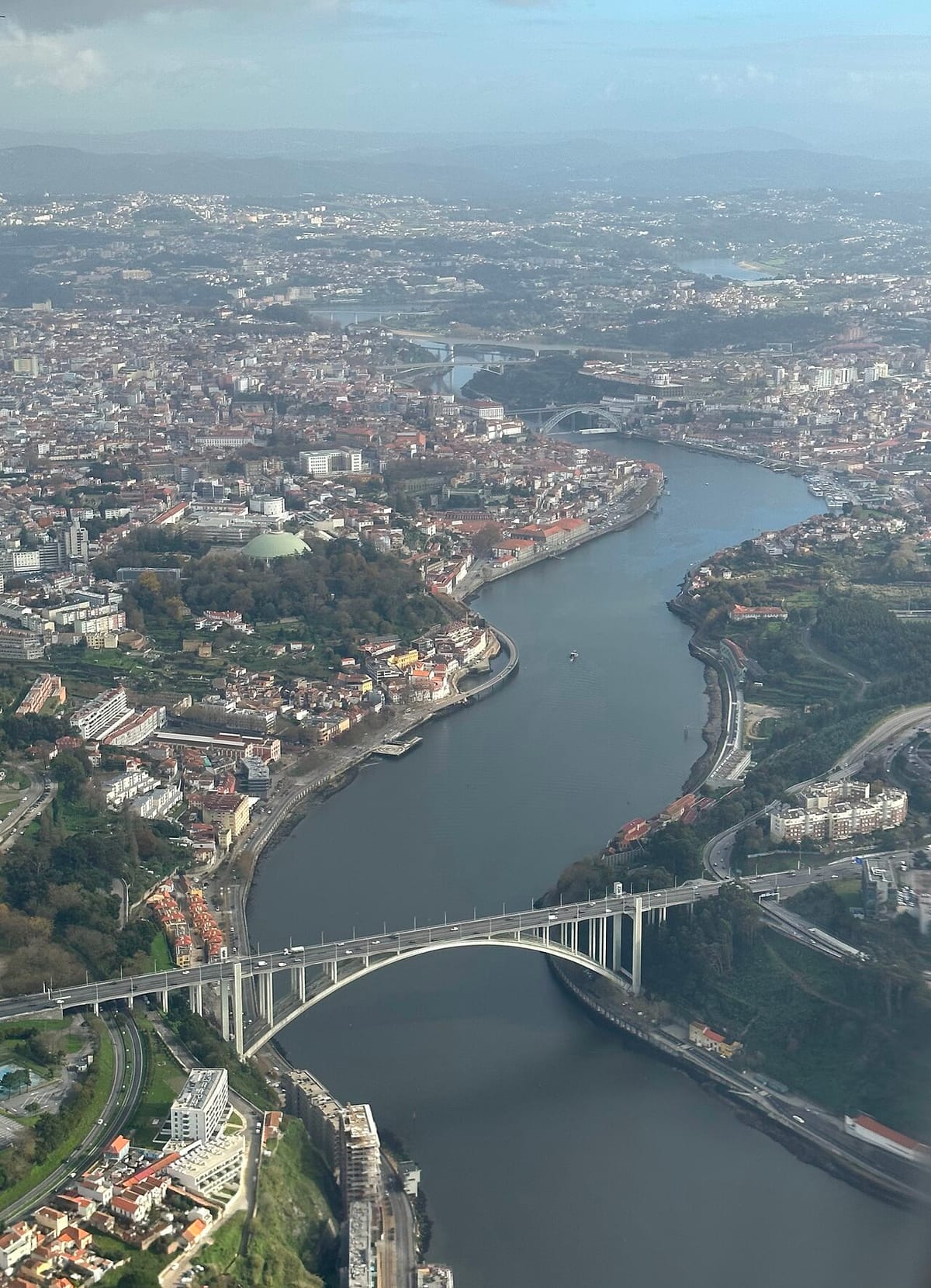
Households across Greater Porto threw away more rubbish in the first half of 2026, according to figures from Lipor, the intermunicipal service that handles waste for eight councils in the region. Total waste rose 1.9% year on year — a modest but telling increase that runs against Portugal's goal of cutting what its cities discard.
The numbers behind the bins
Lipor manages the waste of Espinho, Gondomar, Maia, Matosinhos, Porto, Póvoa de Varzim, Valongo and Vila do Conde — roughly a million residents. In the first six months of the year it channelled 185,768 tonnes of waste to energy recovery, the process of burning non-recycled rubbish to generate power. That output produced 81,483 megawatt-hours of electricity fed into the national grid, enough to supply tens of thousands of homes.
The dual figure captures the tension at the heart of modern waste policy. Turning rubbish into electricity is better than letting it rot in landfill, but the volumes still rising through the system show how much material is being discarded rather than reused or recycled in the first place.
A model under pressure
Lipor has long marketed its integrated approach — combining recycling, composting and energy recovery — as a benchmark for the rest of the country. Its energy-from-waste plant lets the region avoid burying most of what it collects, and the electricity it sells offsets part of the cost.
Yet European and national targets are pushing municipalities in the opposite direction: less waste generated per person, more separated at source, and a shrinking share sent to incineration. A 1.9% rise in total waste, however small, complicates that trajectory. It reflects a broader European pattern in which economic activity and consumption tend to pull waste volumes up even as authorities try to drive them down.
What it means for residents
For people in the eight municipalities, the figures are a reminder that separating rubbish at home still matters. Every tonne diverted into recycling or composting is a tonne that does not need to be burned, and the region's performance on that front feeds directly into the charges households ultimately pay.
The bigger question is whether Greater Porto can bend the curve. Lipor's energy recovery keeps waste out of landfill and generates useful power, but the system works best when there is less to process. With volumes edging up again, the pressure to reduce and reuse — rather than simply dispose more efficiently — is only likely to grow. For where national policy on this is heading to 2030, the waste strategy the Cabinet has now put on the statute book covers Resolução do Conselho de Ministros n.º 181/2026, which adopts the Estratégia TERRA+, splits 1.644 billion euros of investment support across five heads, and records that 54 percent of urban waste still went to landfill in 2024 with 13 of the 32 landfills down to roughly a fifth of their capacity.